Installing a swimming pool is a dream for many homeowners, especially in a city like Cape Town where warm weather and outdoor living make pools a great addition to any property. A well-designed pool not only provides relaxation and entertainment but can also increase the value of your home.
However, before starting a pool project, one of the most important questions homeowners ask is: how much does it cost to install a pool in Cape Town? The answer depends on several factors, including the type of pool, size, installation complexity, and additional features.
In this guide, we will explore the typical costs involved in pool installation, what factors influence pricing, and how professional companies like Gibbs Pools can help you plan and build the perfect pool.
Average Cost of Installing a Pool in Cape Town
The cost of installing a pool in Cape Town can vary significantly depending on the design and materials used. On average, homeowners can expect to spend anywhere between R80,000 and R350,000 or more for a complete swimming pool installation.

Smaller fibreglass pools may cost less, while large custom-designed concrete pools can be significantly more expensive. Additional features such as heating systems, pool covers, lighting, and decking can also increase the overall cost.
While these estimates provide a general idea, the final cost will depend on your property layout, pool design, and installation requirements.
Types of Pools and Their Costs
Different types of swimming pools come with different price ranges and installation processes. Choosing the right type of pool will have a major impact on the overall cost.
Fibreglass Pools
Fibreglass pools are one of the most popular options in Cape Town because they are quick to install and relatively low maintenance. These pools come as pre-manufactured shells that are delivered to the property and installed in a prepared excavation.
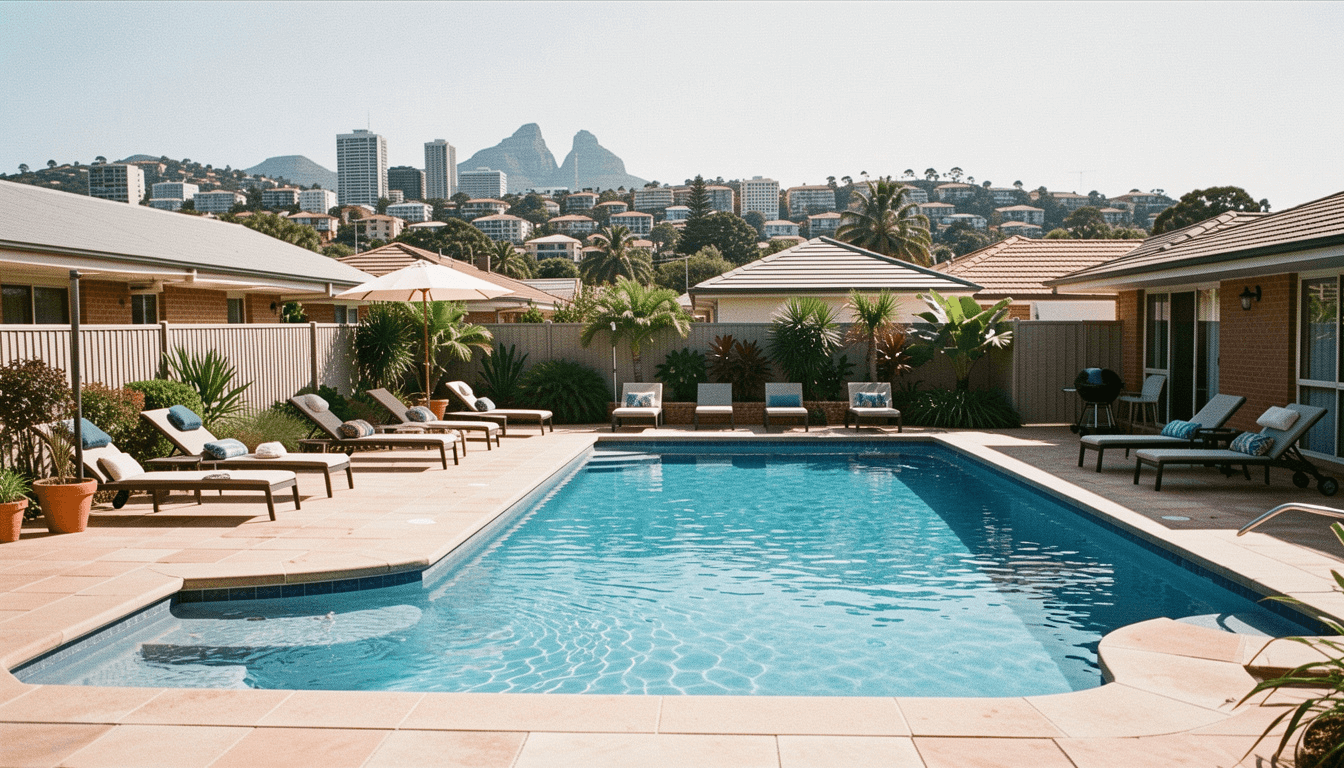
The cost of installing a fibreglass pool typically ranges between R90,000 and R220,000, depending on the pool size and design. Fibreglass pools are known for their smooth surface and durability, which makes them comfortable for swimmers and resistant to algae growth.
Another advantage of fibreglass pools is their faster installation time. In many cases, the pool can be installed within a few days once the groundwork is completed.
Concrete Pools
Concrete pools offer the most flexibility in terms of design and customization. Homeowners can choose unique shapes, sizes, and depths to create a completely personalized pool.
However, this flexibility also means that concrete pools are usually more expensive. Installation costs typically range from R200,000 to R350,000 or more, depending on the complexity of the project.
Concrete pools also take longer to install compared to fibreglass pools because the structure must be built on-site. Despite the higher cost, many homeowners choose concrete pools for their durability and design flexibility.
Vinyl Liner Pools
Vinyl liner pools are less common in South Africa but are still used in some installations. These pools use a flexible liner that acts as a waterproof barrier inside the pool structure.
Vinyl liner pools can be more affordable initially, but the liner usually needs replacement every several years. This means long-term maintenance costs should be considered when choosing this option.
Factors That Affect Pool Installation Costs
Several factors can influence the final price of installing a swimming pool in Cape Town. Understanding these factors can help homeowners budget more accurately.
Pool Size and Shape
The size and shape of the pool play a major role in determining installation costs. Larger pools require more materials, excavation work, and labour.
Custom shapes or complex designs may also increase construction costs compared to standard rectangular or oval pools.
Ground Conditions and Excavation
The condition of the ground on your property can affect installation costs. If the soil is rocky or difficult to excavate, additional equipment and labour may be required.
In some cases, ground preparation or retaining structures may be necessary to ensure the pool is installed safely and securely.
Pool Equipment and Filtration Systems
Every pool requires equipment such as pumps, filters, and plumbing systems to keep the water clean and circulating properly.
Higher-quality filtration systems and energy-efficient pumps may increase the upfront cost but can save money on electricity and maintenance over time.
Additional Features and Upgrades
Many homeowners choose to add extra features to improve their pool experience. These upgrades can increase the total installation cost.
Common pool upgrades include:
- Pool heating systems
- LED pool lighting
- Automatic pool covers
- Water features such as fountains or waterfalls
- Surrounding decking or paving
While these features are optional, they can greatly enhance the functionality and appearance of the pool.
Ongoing Pool Maintenance Costs
Installing a pool is only the beginning. Regular maintenance is necessary to keep the water clean and ensure the equipment functions properly.
Monthly maintenance costs can include chemicals, cleaning supplies, electricity for the pump system, and occasional repairs. Some homeowners choose professional pool maintenance services to handle these tasks.
Proper maintenance not only keeps the pool safe for swimming but also helps extend the lifespan of the pool structure and equipment.
Why Professional Pool Installation Matters
Pool installation is a complex process that requires proper planning, engineering, and construction expertise. Hiring experienced professionals ensures that the pool is installed safely and complies with local regulations.
Professional installers understand how to prepare the ground, install plumbing systems, and ensure the pool structure is stable. Poor installation can lead to issues such as leaks, structural cracks, or drainage problems.
Working with experienced pool specialists like Gibbs Pools ensures your pool project is handled professionally from start to finish. Their team has extensive experience in pool installations, repairs, and maintenance services.
Frequently Asked Questions (FAQs)
How long does it take to install a pool in Cape Town?
Fibreglass pools can often be installed within a few days, while concrete pools may take several weeks depending on the complexity of the design.
What is the cheapest type of pool to install?
Fibreglass pools are generally more affordable than custom concrete pools and require less installation time.
Do I need permission to install a pool in Cape Town?
In many cases, building plans may need to be submitted to local authorities before construction begins. A professional pool installer can help guide you through the process.
How much does pool maintenance cost per month?
Monthly maintenance costs vary but typically include chemicals, electricity for the pump, and occasional servicing.
Does a swimming pool increase property value?
Yes. A well-maintained swimming pool can increase property appeal and potentially raise the value of your home.
What size pool is best for a small yard?
Compact fibreglass pools or plunge pools are ideal for smaller spaces while still providing a relaxing swimming area.
Can I add heating to my pool later?
Yes. Pool heating systems can be installed during construction or added later as an upgrade.
How deep should a residential pool be?
Most residential pools range from 1.2 to 1.8 meters deep, depending on the design and intended use.
Is a fibreglass pool better than a concrete pool?
Both options have advantages. Fibreglass pools install faster and require less maintenance, while concrete pools offer more design flexibility.
Who can install a pool in Cape Town?
Professional companies like Gibbs Pools specialize in pool installation, repairs, and maintenance services.