Keeping your swimming pool clean requires more than just skimming the water or adding chemicals. One of the most important components of a healthy pool system is the pool filter, which removes dirt, debris, and microscopic particles from the water. When the filter becomes clogged or dirty, it can reduce water circulation and make your pool look cloudy or unclean.
However, cleaning a pool filter incorrectly can damage the filter media and reduce its lifespan. Many pool owners accidentally use the wrong tools, chemicals, or cleaning techniques that harm the filter system. Learning how to clean your pool filters properly helps maintain clear water while protecting the equipment.
In this guide, we will explain how pool filters work, the safest methods for cleaning them, and how professional services like Gibbs Pools can help maintain your pool filtration system.
What Are Pool Filters and Why Are They Important?
Pool filters are responsible for removing dirt, leaves, algae, oils, and other contaminants from swimming pool water. As water circulates through the pool system, it passes through the filter where debris is trapped. Clean water is then returned back to the pool, keeping it safe and clear for swimmers.
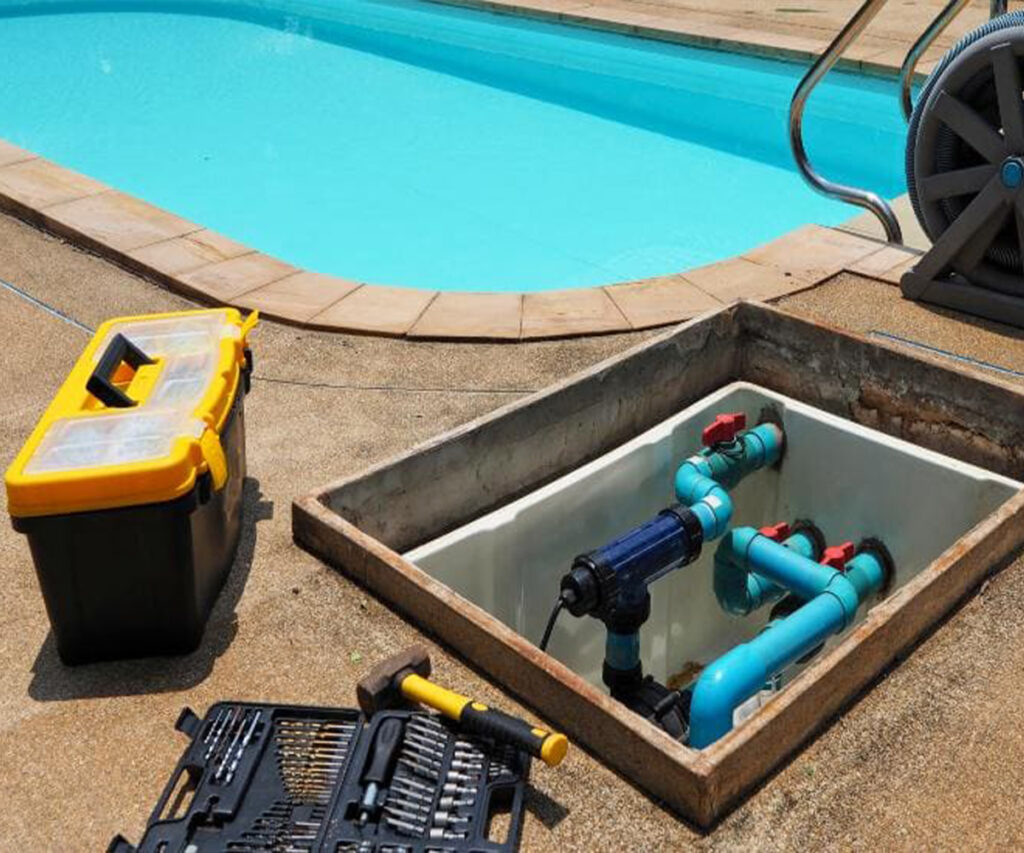
Without a properly functioning filter, the pool water can quickly become cloudy or contaminated. A dirty filter also forces the pump to work harder, which can increase energy consumption and shorten the lifespan of pool equipment.
Regular filter cleaning ensures that water flows efficiently through the system. It also helps maintain balanced water chemistry and reduces the risk of algae growth or bacterial contamination.
Types of Pool Filters
Different pools use different types of filtration systems. Understanding which type of filter your pool uses is important because each one requires a slightly different cleaning method.
Sand Filters
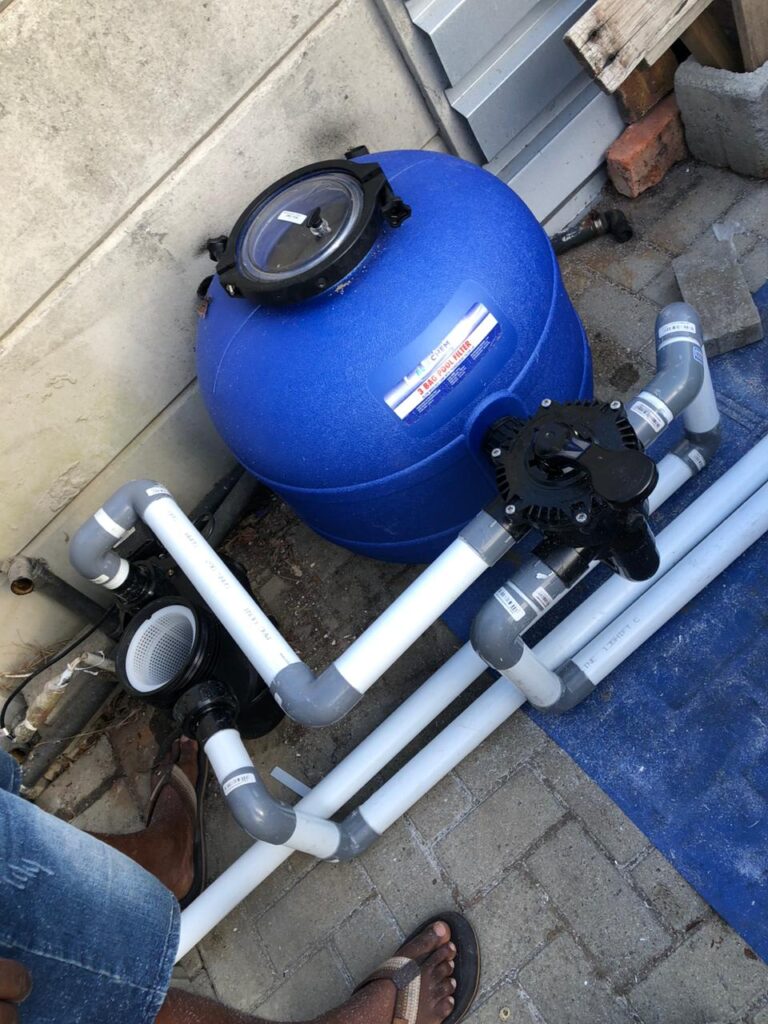
Sand filters are one of the most common filtration systems used in residential swimming pools. These filters contain specially graded sand that traps dirt and debris as water passes through it. Over time, the sand becomes clogged with particles and needs to be cleaned through a process called backwashing.
Sand filters are popular because they are durable and relatively low maintenance. However, they still require periodic cleaning to ensure proper filtration performance. With proper care, the sand inside the filter can last several years before needing replacement.
Cartridge Filters
Cartridge filters use a pleated fabric cartridge to capture dirt and debris from pool water. These filters are known for providing excellent filtration and are often more energy efficient because they allow better water flow.
Cleaning a cartridge filter usually involves removing the cartridge and rinsing it thoroughly with a hose. Unlike sand filters, cartridge filters do not require backwashing, which helps conserve water. Proper cleaning is important to avoid damaging the pleated material.
Diatomaceous Earth (DE) Filters
DE filters provide some of the finest filtration available for swimming pools. These filters use a fine powder made from fossilized diatoms to trap extremely small particles. The DE powder coats filter grids inside the filter tank and captures debris as water passes through.
Cleaning DE filters typically involves backwashing the system and replacing the DE powder. Because DE filters are more complex than other types, they often require more careful maintenance to prevent damage.
Signs Your Pool Filter Needs Cleaning
Pool filters gradually become dirty as they capture debris from the water. While this is normal, a clogged filter can eventually affect pool performance. Recognizing the signs of a dirty filter helps prevent problems before they worsen.
Reduced Water Circulation
One of the first signs of a clogged filter is reduced water flow from the pool returns. When the filter becomes filled with debris, it restricts the movement of water through the system.
Poor circulation can make it difficult for chemicals to distribute evenly throughout the pool. This can lead to cloudy water or algae growth if not addressed quickly.
Increased Filter Pressure
Most pool filter systems include a pressure gauge that measures the pressure inside the filter tank. When the filter becomes dirty, the pressure reading will increase.
If the pressure rises significantly above the normal operating range, it is usually a sign that the filter needs cleaning. Monitoring the pressure gauge regularly can help you identify when maintenance is required.
Cloudy Pool Water
Cloudy or dull-looking water is another sign that the filter may not be working effectively. When the filter becomes clogged, it cannot remove fine particles from the water efficiently.
Cleaning the filter can often restore proper filtration and quickly improve water clarity.
Debris Returning to the Pool
If you notice dirt or debris being blown back into the pool through the return jets, the filter may be overloaded or damaged. This can happen when the filter media is dirty or worn out.
Cleaning the filter and inspecting the filter components can help resolve this issue.
How to Clean Pool Filters Without Damage
Cleaning your pool filter correctly helps extend its lifespan and maintain optimal pool performance. The exact method depends on the type of filter your pool uses.
Cleaning a Sand Filter
Cleaning a sand filter is usually done through a process called backwashing. Backwashing reverses the water flow through the filter to flush out trapped debris.
To backwash a sand filter, turn off the pool pump and set the filter valve to the backwash position. Turn the pump back on and allow water to flow out of the waste line for several minutes until the water runs clear.
Once the process is complete, switch the valve to the rinse setting for about 30 seconds before returning it to the normal filtration mode. This helps settle the sand back into place and prevents debris from returning to the pool.
Cleaning a Cartridge Filter
Cartridge filters require manual cleaning because they cannot be backwashed like sand filters. Begin by turning off the pool pump and releasing pressure from the filter system.
Remove the cartridge from the filter housing and rinse it thoroughly using a garden hose. Spray between the pleats to remove dirt and debris trapped inside the filter material.
For deeper cleaning, a specialized filter cleaning solution can be used to remove oils and mineral buildup. Avoid using high-pressure washers, as they can damage the cartridge material.
Cleaning a DE Filter
Cleaning a DE filter usually involves backwashing to remove the used DE powder and trapped debris. After backwashing, fresh DE powder must be added to restore proper filtration.
In some cases, the filter tank may need to be opened so the filter grids can be cleaned manually. This process requires careful handling to avoid damaging the delicate grids inside the filter.
After cleaning, new DE powder is added through the pool skimmer while the system is running. This coats the grids and restores the filter’s ability to trap fine particles.
Benefits of Proper Pool Filter Cleaning
Regularly cleaning your pool filter offers several important benefits. One of the biggest advantages is improved water clarity. A clean filter can remove debris more efficiently, keeping the pool water clear and inviting.
Another benefit is better energy efficiency. When the filter is clean, water flows more easily through the system, allowing the pump to operate with less strain. This can reduce electricity usage and extend the life of pool equipment.
Proper filter cleaning also helps maintain balanced pool chemistry. Efficient filtration removes contaminants that can interfere with chemical treatments and water balance.
How Often Should Pool Filters Be Cleaned?
The frequency of filter cleaning depends on several factors, including pool size, usage, and surrounding environment. Pools located near trees or areas with heavy debris may require more frequent cleaning.
Sand filters are typically backwashed every few weeks or whenever the pressure gauge rises significantly. Cartridge filters are usually cleaned every one to three months, depending on usage.
DE filters may require backwashing when the pressure increases or when water clarity begins to decline. Regular monitoring of your filter system helps determine the right maintenance schedule.
Should You Clean Pool Filters Yourself or Hire a Professional?
Many pool owners can perform basic filter cleaning themselves. However, more complex filter maintenance may require professional expertise. Incorrect cleaning methods can damage filter components or reduce filtration efficiency.
Professional pool technicians have the experience and tools needed to safely clean and inspect pool filtration systems. They can also identify potential issues before they become major problems.
If you need professional assistance with pool maintenance or filtration systems, Gibbs Pools offers expert services for pool cleaning, repairs, and equipment maintenance. Their experienced team can ensure your pool filter system operates efficiently and safely.
Frequently Asked Questions (FAQs)
How often should I clean my pool filter?
Most pool filters should be cleaned every few weeks or when the pressure gauge indicates increased pressure.
Can a dirty pool filter cause cloudy water?
Yes. A clogged filter cannot properly remove debris from the water, which can lead to cloudy pool conditions.
Can I clean my pool filter with a pressure washer?
No. High-pressure washers can damage cartridge filters and other filter components.
How long do pool filters last?
Cartridge filters typically last two to three years, while sand and DE filter media may last several years with proper maintenance.
What happens if I do not clean my pool filter?
A dirty filter reduces water circulation, increases pump strain, and may cause cloudy water or algae growth.
Can pool filters be repaired?
In some cases, damaged filter components can be replaced. However, severely worn filters may need to be replaced entirely.
Is professional pool filter cleaning necessary?
Professional cleaning is recommended for deep maintenance or when the filter system requires inspection or repairs.
Why does my pool filter pressure increase?
Increased pressure usually indicates that the filter is clogged with debris and needs cleaning.
Can pool chemicals damage filters?
Improper chemical levels can damage filter materials over time, so maintaining balanced water chemistry is important.
Who can help maintain my pool filtration system?
Professional pool service companies such as Gibbs Pools can provide expert maintenance, repairs, and filtration system inspections.