A pool cover is the highest-value accessory most Cape Town pools do not have. It cuts evaporation in our wind, blocks the debris that storms deliver, slashes chemical consumption, and — in the safety versions — protects children and pets. But pool covers prices span from a few hundred rand to tens of thousands, and the types do completely different jobs. Here is the honest comparison.
Pool covers prices at a glance (typical SA ranges):
- Solar bubble blankets: ± R1,500 – R4,000 by pool size
- Leaf/debris nets: ± R2,000 – R5,000
- Safety nets: ± R3,500 – R8,000
- PVC/thermal covers: ± R5,000 – R15,000
- Automated slatted/hard covers: R40,000+
Solar blankets: the evaporation fighter
The bubble-wrap-style solar blanket floats on the water, trapping heat and stopping evaporation almost entirely. In wind-hammered suburbs this is the sleeper hit: evaporation is the biggest water loss most Cape pools have, and a blanket pays for itself in water and chemicals within a season or two. Downsides: it is a convenience item, not a safety device, and our sun eats cheap ones — expect two to five seasons depending on quality.
Nets: debris control and child safety
Two different products share the name. Leaf nets stretch over the pool to catch autumn’s delivery before it sinks — transformative under oaks and pines. Safety nets are tensioned systems anchored around the coping, designed to hold a child’s weight; they are the affordable safety standard for SA family pools. Neither does anything for evaporation or heat, which is why serious pool owners often run a net plus blanket combination seasonally.
PVC and thermal covers: the all-rounders
Heavier sheet covers on rails or hooks block light (algae hates them), stop debris and evaporation together, and cut winter maintenance dramatically — a covered winter pool often needs half the attention of an open one. They cost more, and rails need decent coping to anchor into — something we check when coping or paving repairs are on the same quote.
What pool covers prices do not tell you
- Measurement matters: covers are cut to your pool; free-form shapes cost more than rectangles and DIY-measured mistakes are expensive;
- Anchoring quality decides lifespan: a good net badly anchored into crumbling coping is money wasted — fix the coping and surrounds first;
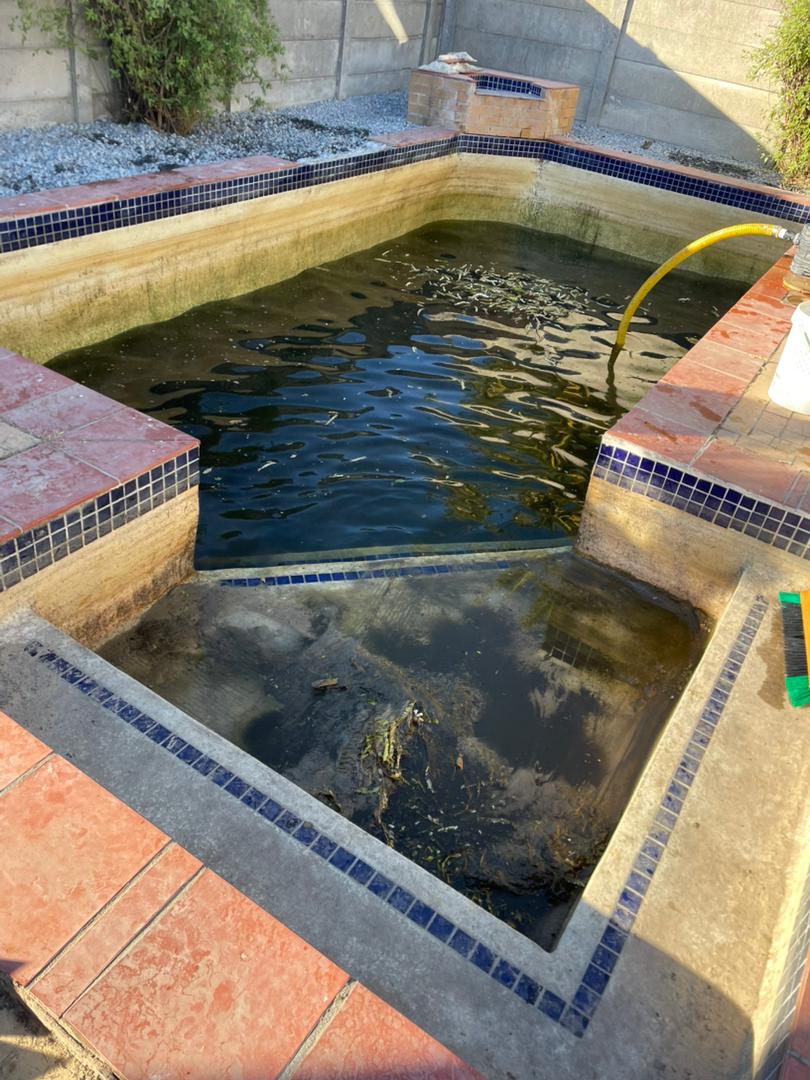
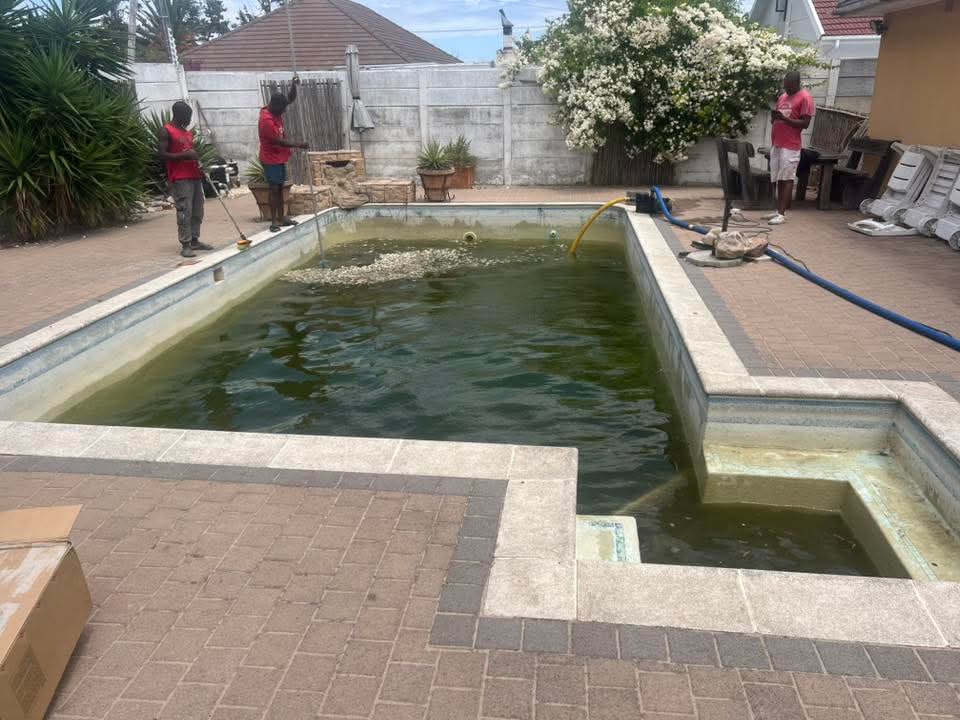
- A cover is not a repair: covering a leaking or algae-prone pool just hides the problem while it grows — if the pool loses water, get leak detection before spending on a cover.
Which cover for which Cape Town pool
- Windy West Coast strip: solar blanket first — evaporation is your enemy number one;
- Leafy southern suburbs: leaf net in autumn, blanket the rest of the year;
- Young families anywhere: safety net, non-negotiable, whatever else you add;
- Holiday homes: PVC/thermal cover — months of unwatched water need the full lockdown.
Unsure what your pool needs, or whether the coping will take the anchors? Book a free pool assessment — we will look at the pool, the trees, the wind line and the family, and give you a written recommendation.
Frequently asked questions
Do solar blankets really warm the pool?
They mostly stop heat escaping rather than adding it — expect a few degrees’ gain and far slower overnight loss. Real heating is a separate conversation.
Are pool covers required by law in South Africa?
Safety regulation of home pools has been tightening (SANS 10134); a compliant barrier — fence, net or lockable cover — is the direction everything is moving. A safety net is the simplest route for most existing pools.
How long do covers last in Cape Town sun?
Quality solar blankets 3–5 seasons; nets 5–10 years with re-tensioning; PVC covers similar with care. UV is the killer — store blankets out of the sun when off the pool.
Can a cover stop my pool going green in winter?
It is the single biggest help — blocking light and debris removes most of what algae needs — but it works alongside winter circulation and chemistry, not instead of them.