
Swimming pools are a great addition to many homes in Cape Town, offering relaxation, exercise, and entertainment. However, pool safety is extremely important, especially when it comes to pool drains. Improperly designed or damaged pool drains can create serious safety risks for swimmers. Understanding pool drain safety rules helps homeowners keep their pools safe and compliant with local guidelines.
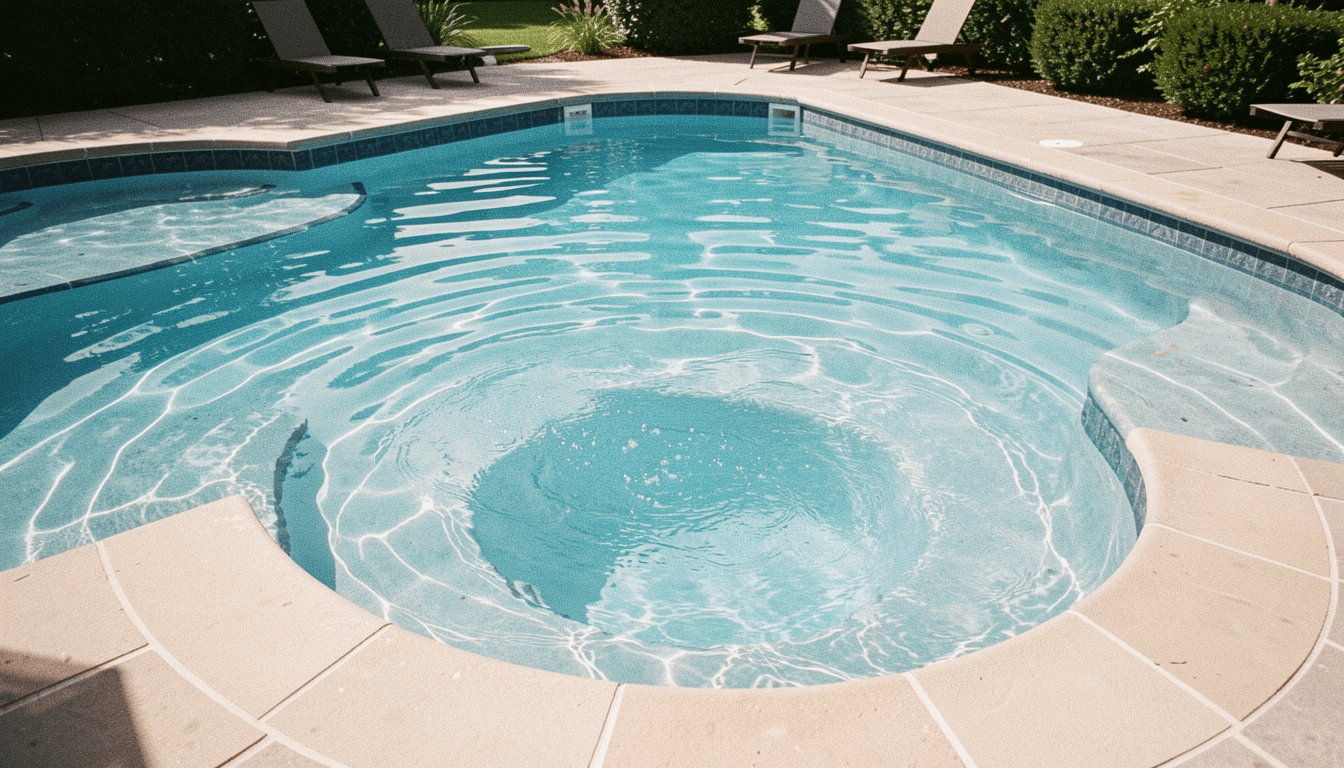
Below is what every pool owner should know about pool drain safety in Cape Town.
Why Pool Drain Safety Is Important
Pool drains are responsible for circulating water through the filtration system, helping keep the pool clean and balanced. However, if drains are not properly designed or covered, they can create strong suction that may trap hair, limbs, or clothing. This can be dangerous, particularly for children.
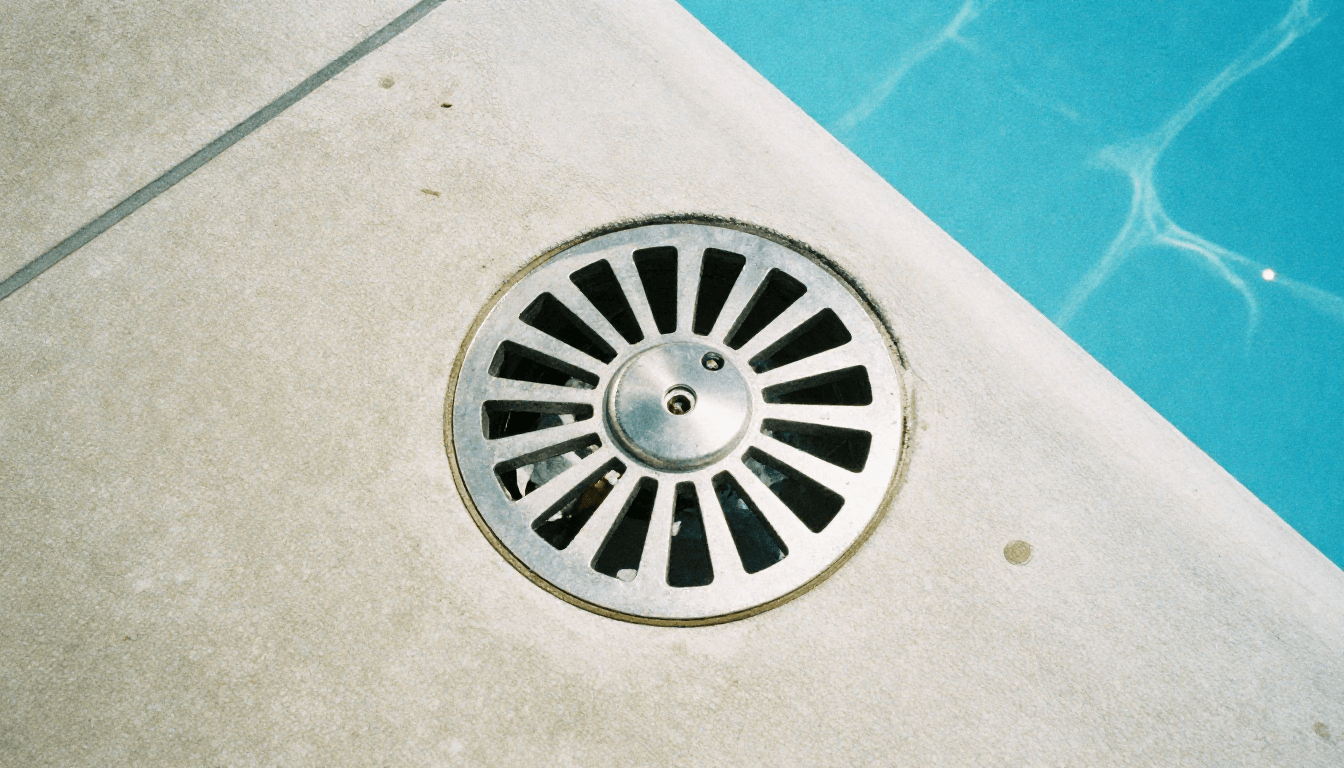
Safety regulations and proper installation practices help reduce these risks. Modern pool systems are designed to minimize suction hazards by using improved drain covers and proper plumbing designs.
Regular inspections and maintenance are essential to ensure drains remain safe and functional. Pool owners should also ensure that drain covers are intact and meet modern safety standards.
Common Pool Drain Hazards
There are several hazards associated with poorly maintained or outdated pool drains. One of the most common risks is suction entrapment, which can occur when a swimmer becomes trapped against a powerful drain opening.
Another issue can be broken or missing drain covers. Without a proper cover, the drain opening may pose a physical hazard and increase suction strength. Over time, pool drain covers may crack or weaken due to exposure to chemicals and sunlight.
Blocked or poorly maintained drains can also affect pool circulation and water quality. Ensuring that drains remain clear and well-maintained is an important part of pool safety.
Recommended Safety Features for Pool Drains
Modern swimming pools often include several safety features designed to reduce suction hazards. One common solution is installing multiple drains rather than a single suction point. This helps distribute water flow and reduces suction pressure.
Anti-vortex drain covers are another important safety feature. These covers are designed to prevent strong suction and reduce the risk of entrapment. They also help protect swimmers from coming into direct contact with the drain opening.
Safety vacuum release systems may also be used in some pools. These devices automatically release suction if a blockage occurs, helping prevent dangerous situations.
Regular Pool Drain Maintenance
Maintaining pool drains is essential for safety and proper pool operation. Pool owners should regularly inspect drain covers for cracks, damage, or loose fittings. If a drain cover appears worn or broken, it should be replaced immediately.
Cleaning the pool and ensuring that debris does not block the drain is also important. Leaves and dirt can interfere with proper water flow and place additional strain on the filtration system.
Professional pool technicians can also perform inspections to ensure that drains and suction systems are working safely and efficiently.
Keeping Your Pool Safe for Everyone
Pool drain safety is an important part of responsible pool ownership. By understanding potential risks and ensuring proper installation and maintenance, homeowners can create a safer swimming environment.
If you are unsure about the condition of your pool drains, it is always best to consult a professional pool technician. Regular maintenance, safe equipment, and proper pool design all contribute to a safer and more enjoyable swimming experience for family and guests.