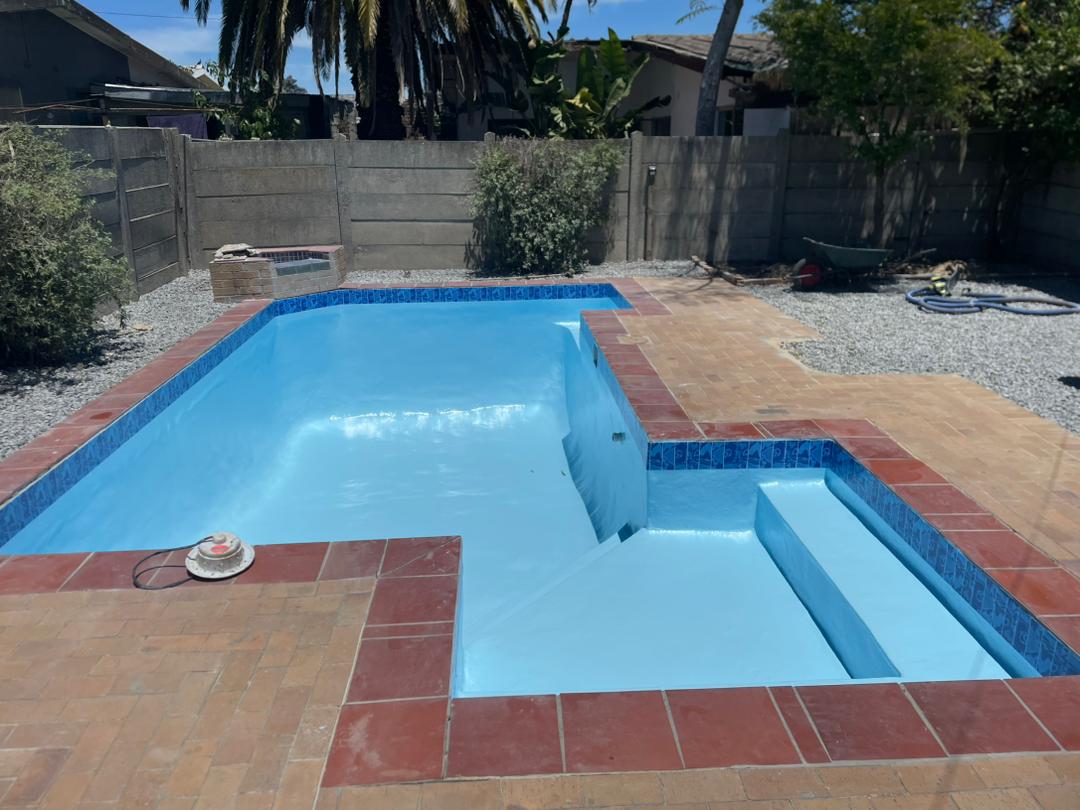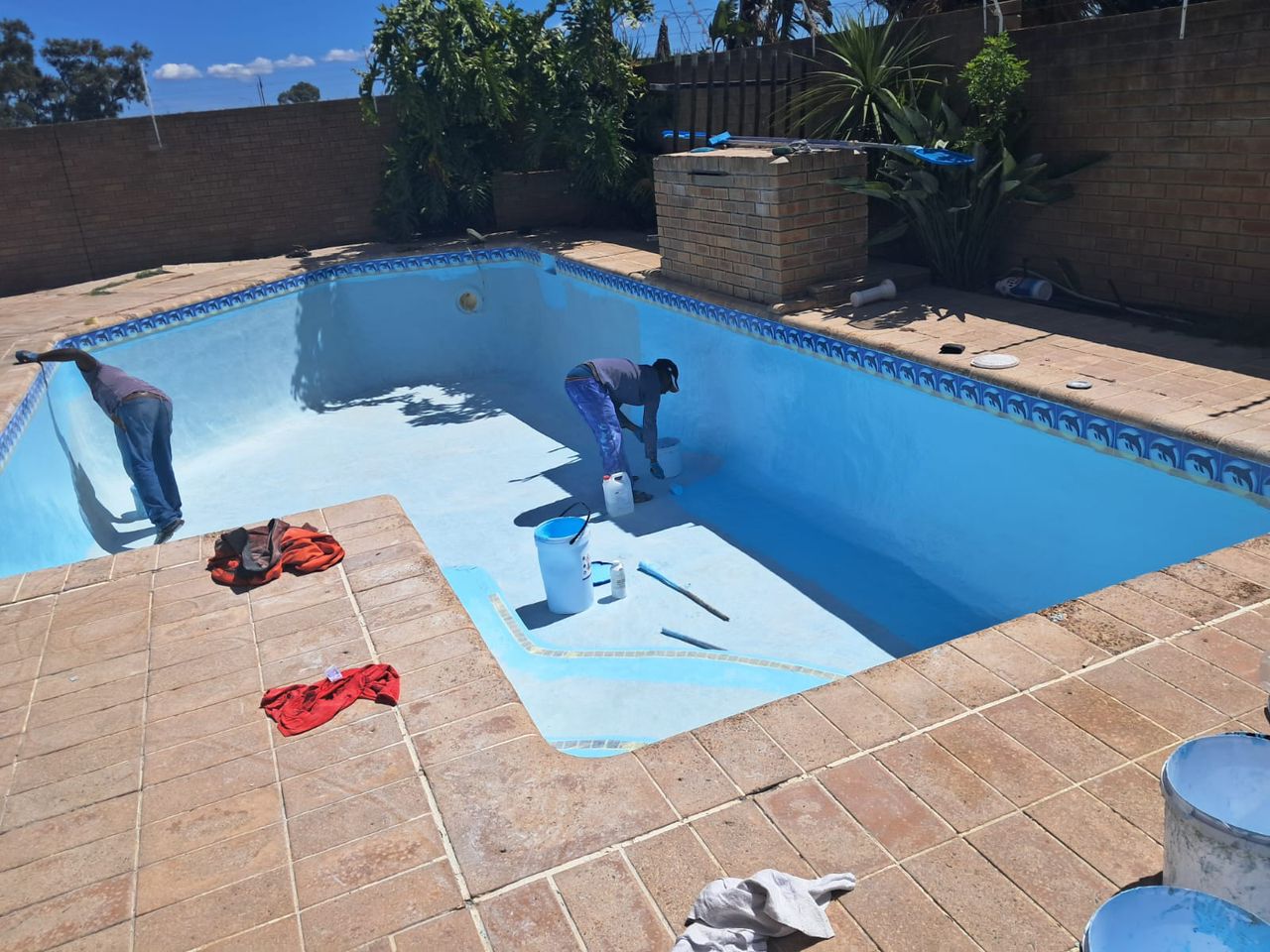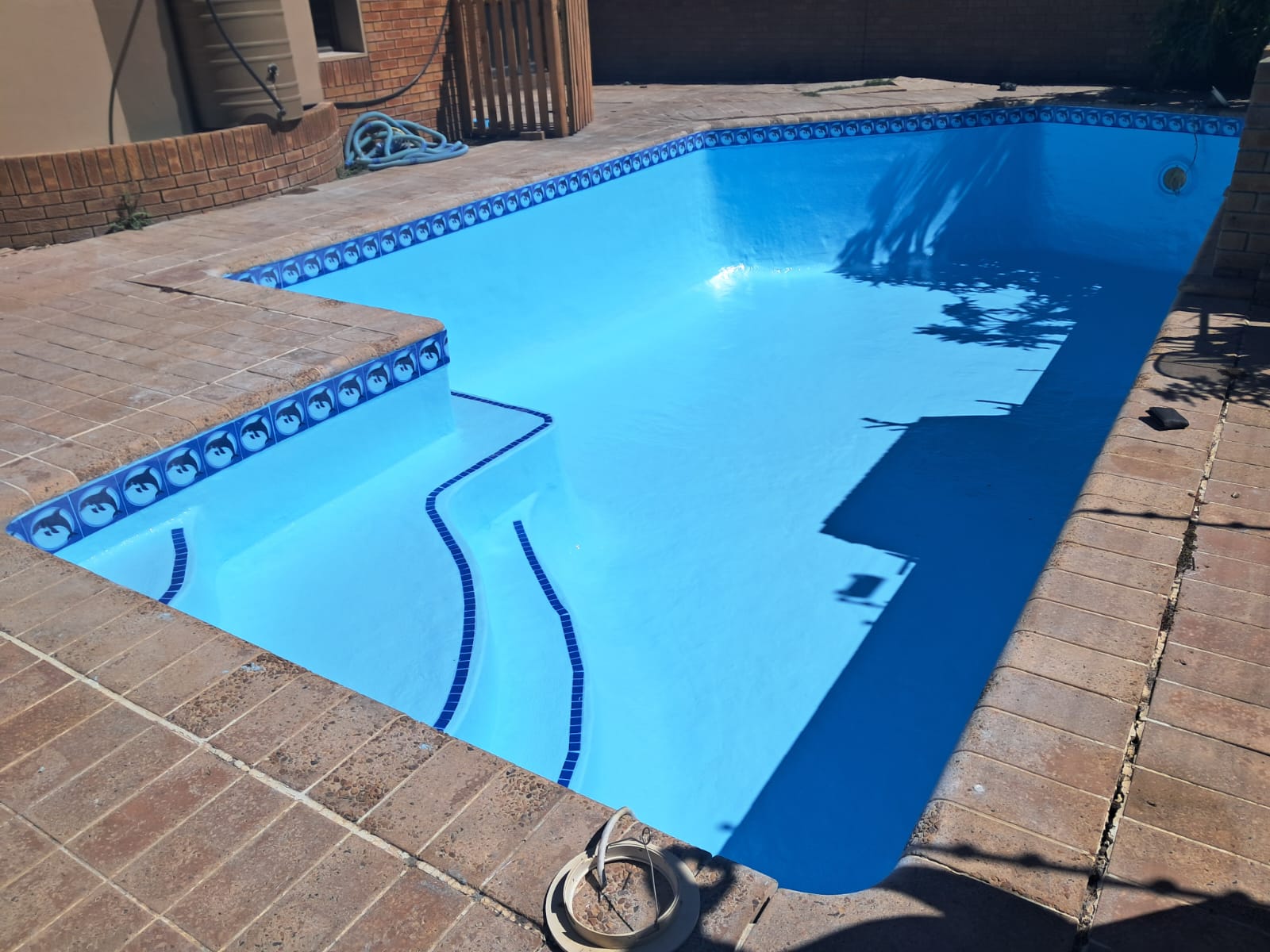
Concrete swimming pools are known for their durability, but even the strongest pools will eventually show signs of wear. Over time, exposure to chemicals, sunlight, and regular use can cause the pool’s surface to become rough, stained, or cracked. Resurfacing is a process that restores the interior finish of the pool, giving it a fresh appearance and improving its durability. Many homeowners in Cape Town choose resurfacing instead of replacing their pool because it is far more affordable and quicker to complete.
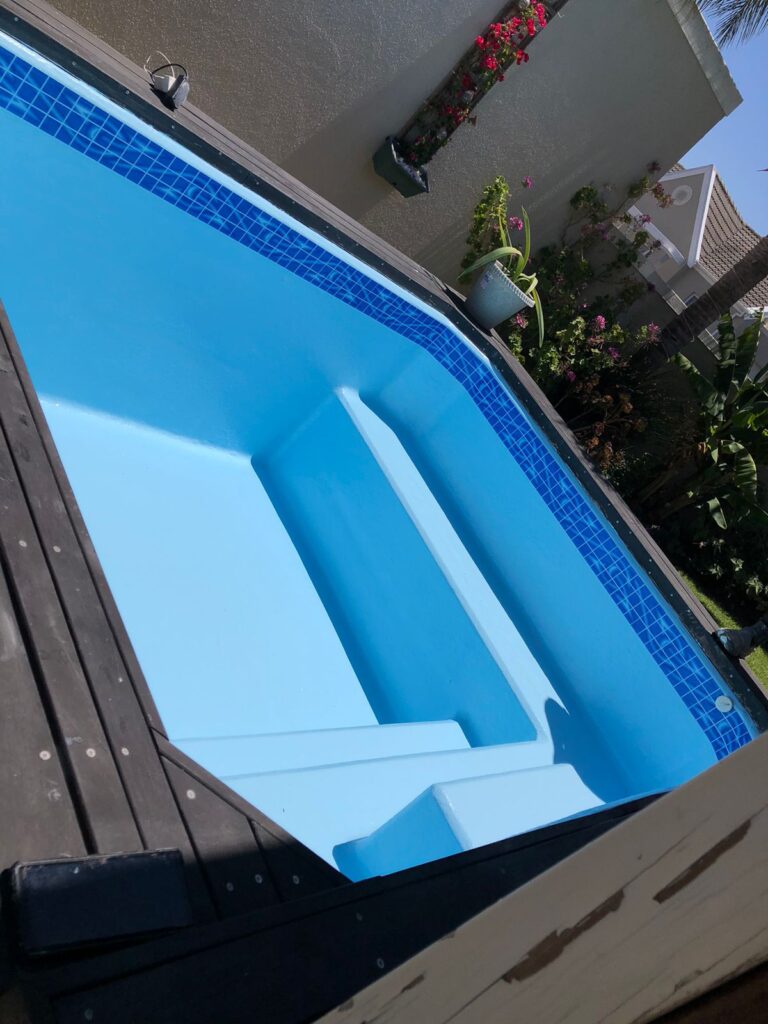
Signs Your Concrete Pool Needs Resurfacing
One of the most obvious signs that a pool needs resurfacing is a rough texture along the walls and floor. Over time, the plaster layer can erode, exposing the underlying concrete and making the surface uncomfortable for swimmers. Visible cracks, discoloration, or stubborn stains are also common warning signs.
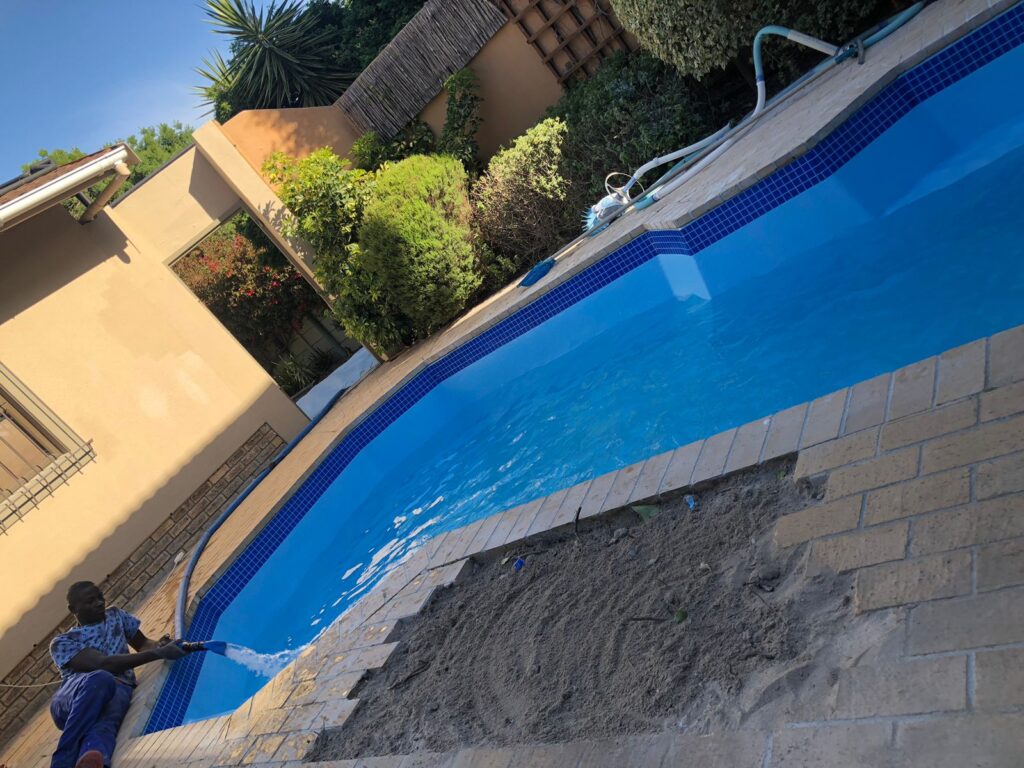
In some cases, the pool may start losing water due to small surface fractures or structural damage. If left untreated, these issues can worsen and lead to more expensive repairs later. Regular inspection of your pool’s interior surface can help you identify when resurfacing is necessary. Addressing these problems early ensures the pool remains safe and visually appealing.
Preparing the Pool for Resurfacing
Before resurfacing begins, the pool must be completely drained so contractors can access the interior surface. Once the water is removed, the existing plaster or finish is carefully stripped away using specialized tools such as grinders or sandblasting equipment. This step removes damaged material and prepares the concrete for the new finish.
The pool shell is then thoroughly cleaned to remove dust, algae, and debris that could interfere with bonding. Any cracks, chips, or structural issues are repaired at this stage to create a smooth foundation. Proper preparation is one of the most critical steps because it ensures the new surface adheres correctly and lasts longer.
Choosing the Right Pool Resurfacing Material
Pool resurfacing materials vary depending on the desired appearance, durability, and budget. Traditional plaster is one of the most common options because it is cost-effective and provides a smooth, clean finish.
Aggregate finishes combine plaster with small stones or quartz to create a more durable and textured surface. Pebble finishes are also popular for their natural look and resistance to stains and chemicals. Some pool owners choose tile finishes for a high-end appearance and long-term durability.
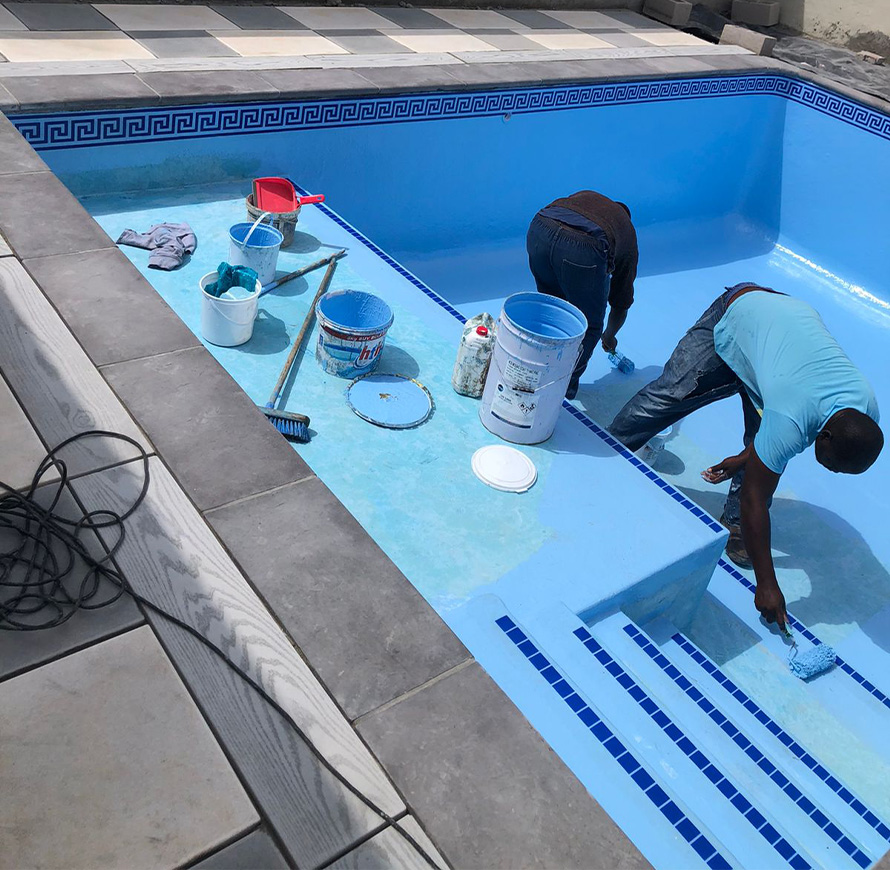
Each material has its advantages, so the best option depends on your aesthetic preference and maintenance expectations. Consulting with a professional can help you choose the most suitable finish for your pool.
The Pool Resurfacing Process
Once preparation is complete, the resurfacing process begins with applying a bonding coat to help the new material adhere to the concrete shell. The selected finish—such as plaster or aggregate—is then evenly applied across the entire pool surface. Skilled technicians smooth and level the material to ensure consistent thickness and appearance.
After application, the surface must cure properly before the pool is refilled with water. This curing stage is essential because it strengthens the new surface and prevents premature damage.
The pool is typically filled gradually while monitoring the finish to ensure proper setting. When done correctly, the resurfacing process dramatically improves both the look and performance of the pool.
Cost and Timeline for Pool Resurfacing
The cost of resurfacing a concrete pool depends on several factors, including the pool’s size, condition, and the chosen finishing material. Basic plaster resurfacing is usually more affordable, while pebble or tile finishes may increase the overall cost.
Most resurfacing projects take several days to a week to complete, depending on preparation and curing requirements. Additional repairs such as fixing cracks or replacing tiles may extend the timeline slightly.
Although resurfacing requires an investment, it significantly increases the lifespan of your pool. Compared to building a new pool, resurfacing is a far more cost-effective renovation solution.
Why Hire Professional Pool Contractors
Resurfacing a pool is a technical process that requires specialized tools, materials, and expertise. Attempting a DIY resurfacing project can lead to uneven surfaces, poor adhesion, or premature cracking. Professional pool contractors understand the correct preparation techniques and application methods needed for long-lasting results.
They can also identify structural issues that may need repair before resurfacing begins. Companies such as Gibbs Pools provide professional pool renovation services, ensuring that resurfacing projects are completed safely and efficiently. Hiring experienced professionals helps protect your investment and guarantees a high-quality finish that will last for years.
Conclusion
Resurfacing an old concrete pool is one of the most effective ways to restore its appearance and extend its lifespan. By repairing damage, applying a new finish, and ensuring proper curing, homeowners can transform an aging pool into a beautiful and functional backyard feature.
Regular inspections and maintenance will help the new surface last for many years. Whether your pool has rough plaster, cracks, or fading finishes, resurfacing offers a practical solution. For professional pool renovation services and expert advice, working with experienced specialists such as Gibbs Pools can ensure your project is completed to the highest standard.
If the resurfacing is part of a bigger overhaul, see how we approach full pool renovations in Cape Town.
FAQs About Pool Resurfacing
1. How often should a concrete pool be resurfaced?
Most concrete pools need resurfacing every 10 to 15 years, depending on the type of finish used and how well the pool is maintained.
2. How long does pool resurfacing take?
A typical resurfacing project takes about 5 to 7 days, including preparation, application, and curing time.
3. Can I swim immediately after resurfacing?
No, the pool must go through a curing process before it is safe to swim. Contractors usually advise waiting several days after the pool is filled.
4. Is resurfacing better than replacing the pool?
In most cases, yes. Resurfacing restores the appearance and durability of the pool at a much lower cost than rebuilding the entire structure.