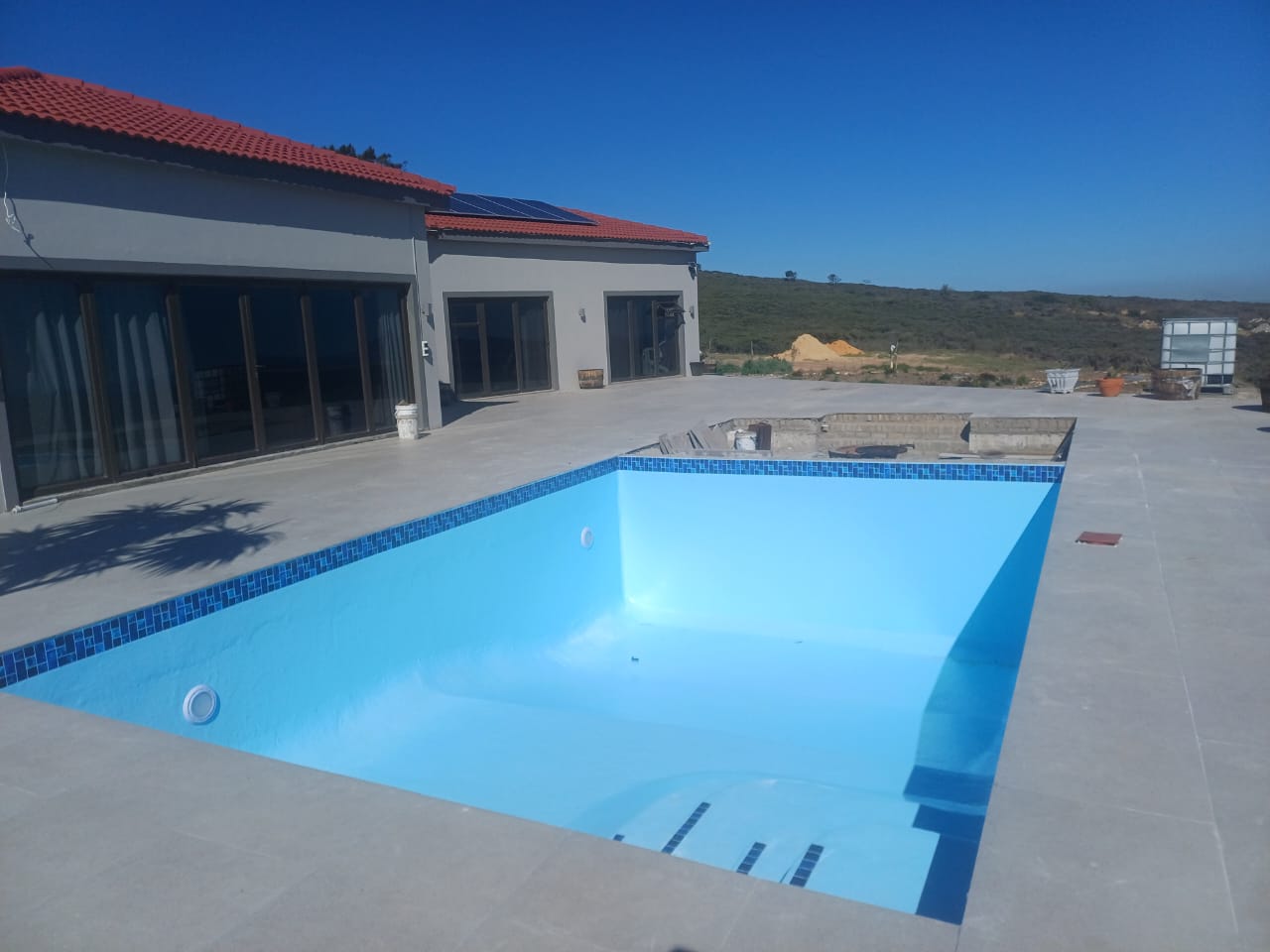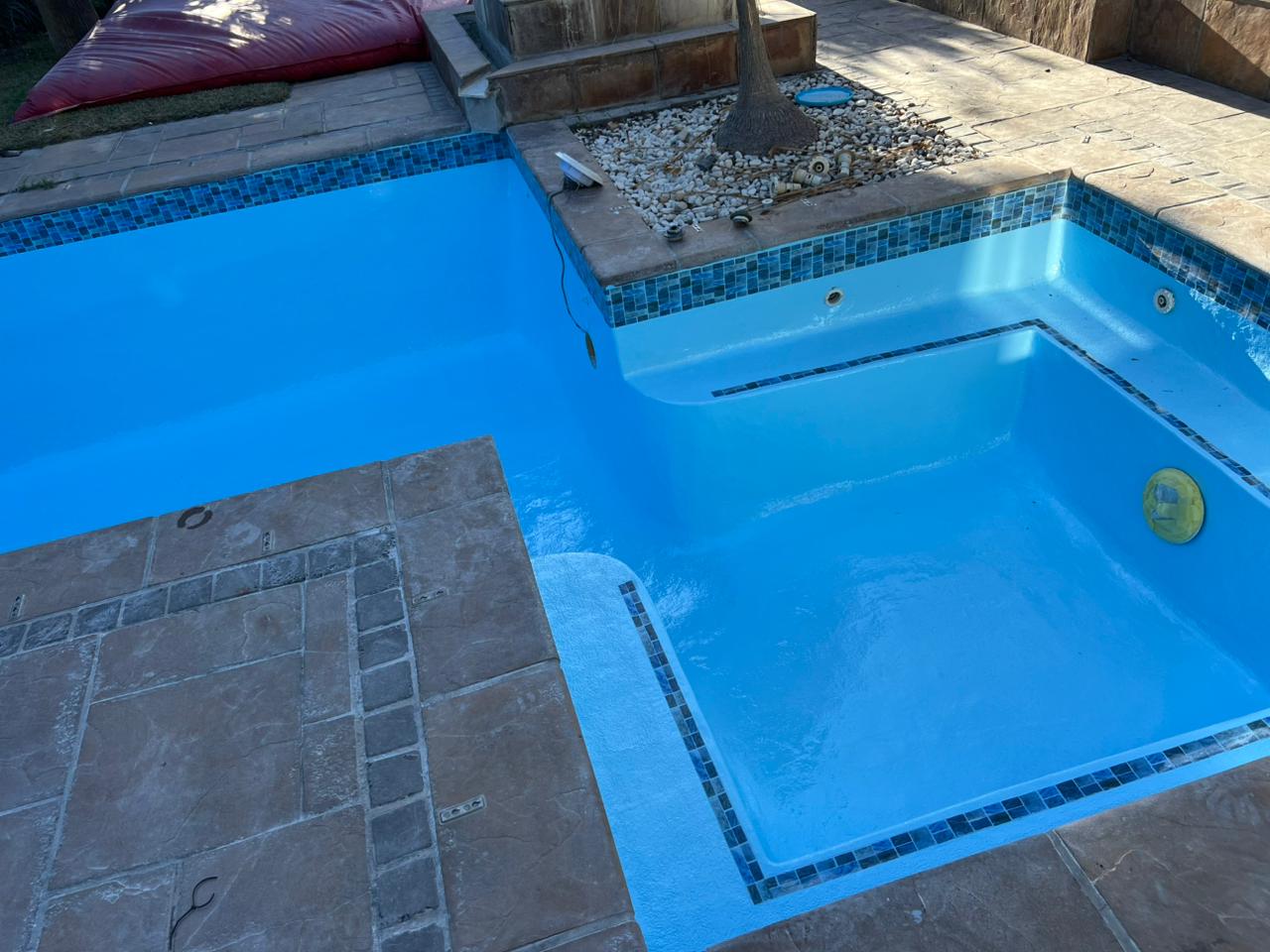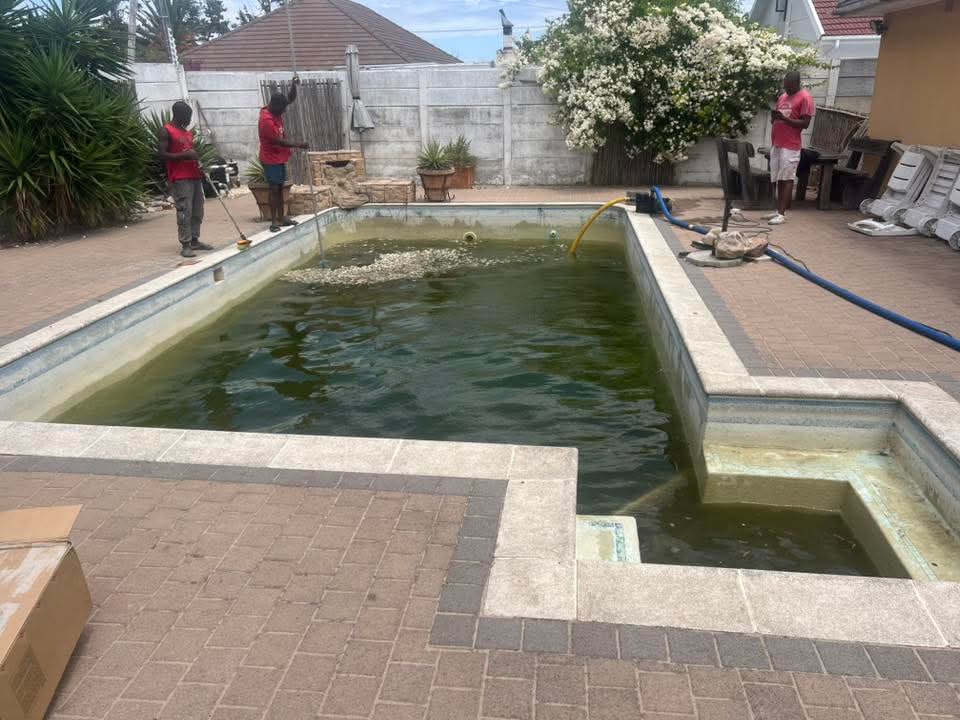
It is a uniquely Cape frustration: the pool was perfect on Friday, a proper winter front hammered through on the weekend, and by Tuesday the water has a green tint that was not invited. Rain itself does not carry algae — so why does a pool turn green after rain? The answer is a triple hit that storms deliver to your water chemistry, and understanding it turns the fix into a ten-minute routine instead of a recurring mystery.
The triple hit, explained
1. Dilution
A hard Cape front can drop 40–80mm of water into your pool — thousands of litres of chlorine-free, unbalanced water added in a day. Your carefully maintained 2 ppm of chlorine becomes 1.4 ppm by arithmetic alone, and pH and alkalinity drift with it. The pool did not lose its chemistry; it got watered down.
2. The nutrient delivery
This is the one most owners miss. Storm rain does not fall politely into the pool — it washes across your roof, gutters, trees, lawn and paving first, carrying dust, organic debris, fertiliser traces and above all phosphates straight into the water. Phosphates are algae food. A single big storm can feed a pool enough nutrients to fuel a bloom the moment chlorine dips — which, thanks to the dilution above, is exactly what just happened. It is a perfectly timed one-two.
3. The chlorine you had was already tired
Storm fronts follow warm, bright spells in the Cape pattern — and UV burns off unstabilised chlorine daily. A pool going into a storm at the bottom of its chlorine range has no buffer for the dilution and nutrient load. Combine all three and “green by Tuesday” stops being mysterious.
The after-storm routine (ten minutes, beats a week of recovery)
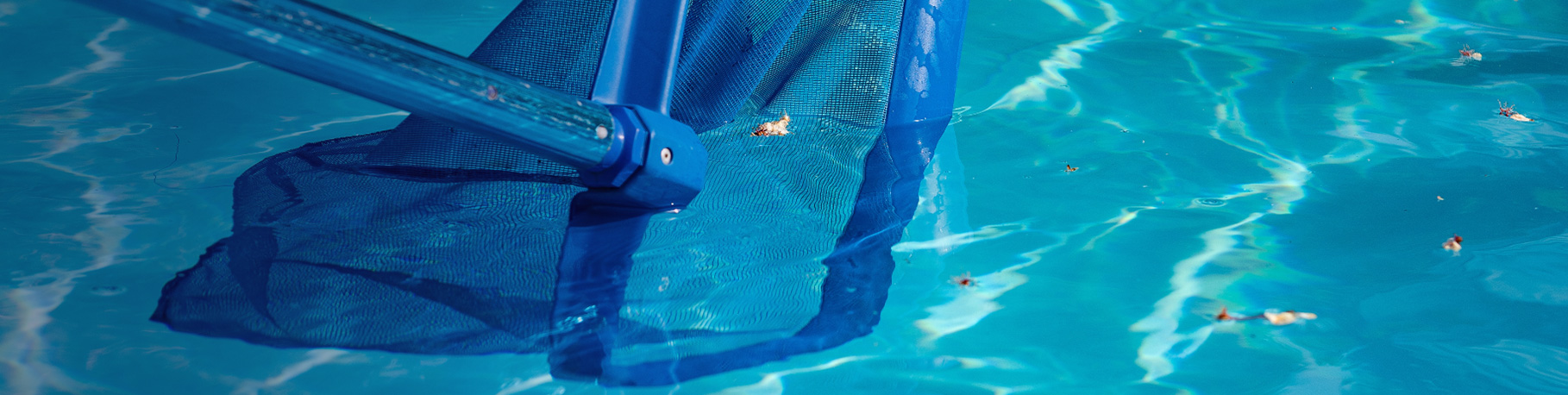
- Get the solids out fast — net leaves and debris before they sink and start dissolving into algae food; empty both baskets.
- Check the water level — storms overfill pools; run the pump to waste briefly if the level is above the top of the weir mouth (a drowned weir skims nothing).
- Test and correct — expect low chlorine and drifted pH; correct both the same day. A single preventive dose now is the whole game.
- Run the pump longer for 48 hours — circulation distributes the correction and helps the filter clear the storm’s contribution.
- Brush once — storm debris settles on walls and steps; brushing denies it a foothold.
When one storm keeps winning
A healthy pool handles this routine easily — so a pool that turns properly green after every front has thin margins somewhere, and that is worth diagnosing rather than enduring. The patterns we see on call-outs: a filter past its best recycling nutrients instead of removing them (pressure that rebounds within days is the tell — see our filtration repair service); a porous, aged surface where algae holds a permanent bridgehead waiting for exactly these post-storm dips — the honest long-term fix being resurfacing; and the quiet double-agent, a slow leak diluting chemistry continuously so every storm starts from a weakened position. One more Cape-specific check: if your winter pool level drops despite all this rain, that is a leak announcement no storm can explain — rain should be topping you up for free.
Prevention worth the money here
Three things measurably harden a Cape pool against storm-greening: a decent cover (blocks the debris-and-runoff delivery outright), a phosphate remover dosed seasonally in leafy or runoff-prone gardens, and honest filtration — because the filter is the machine that removes what storms deliver. If your pool re-greens with every front no matter what you dose, book a free pool assessment and we will find the thin margin — chemistry, filtration, surface or leak — and quote the fix in writing. More on everything we repair: Cape Town pool repairs.
Frequently asked questions
Should I shock the pool before a big storm arrives?
Ahead of a serious front, raising chlorine to the top of its normal range is cheap insurance — you are pre-loading the buffer the storm will dilute.
Does rain change pool pH?
Cape rain is slightly acidic, so big volumes nudge pH and alkalinity down — one more reason to retest after every major front rather than dosing on habit.
Why does the pool turn green in winter when nobody swims?
Winter greening is almost always this article in slow motion: storm after storm delivering nutrients and dilution to a pool on reduced circulation. The fortnightly winter check plus post-storm routine prevents it.
Are phosphate removers worth it?
In gardens with heavy runoff, trees or fertilised lawns near the pool — yes, seasonally. They remove the food source that storms keep restocking.