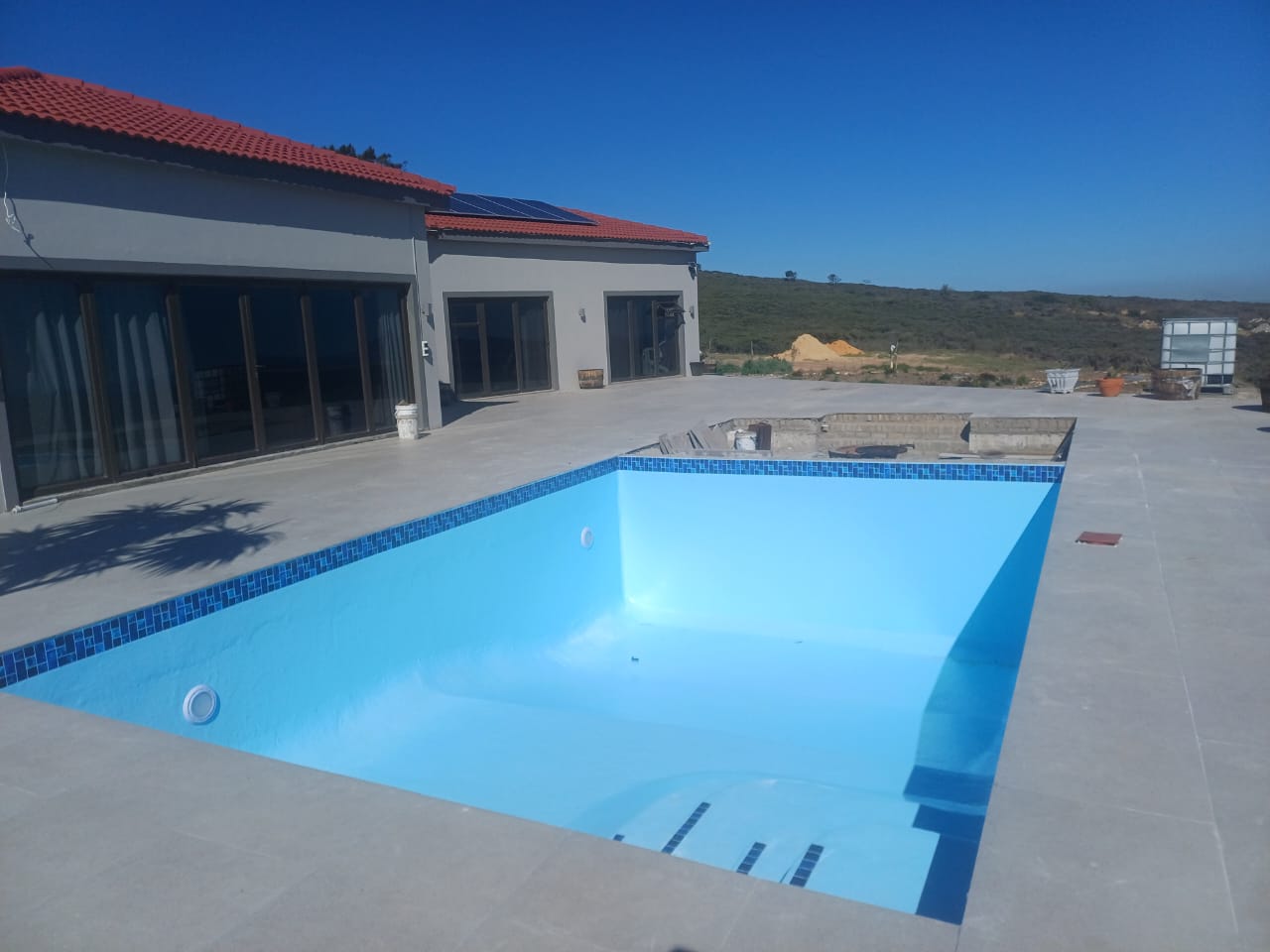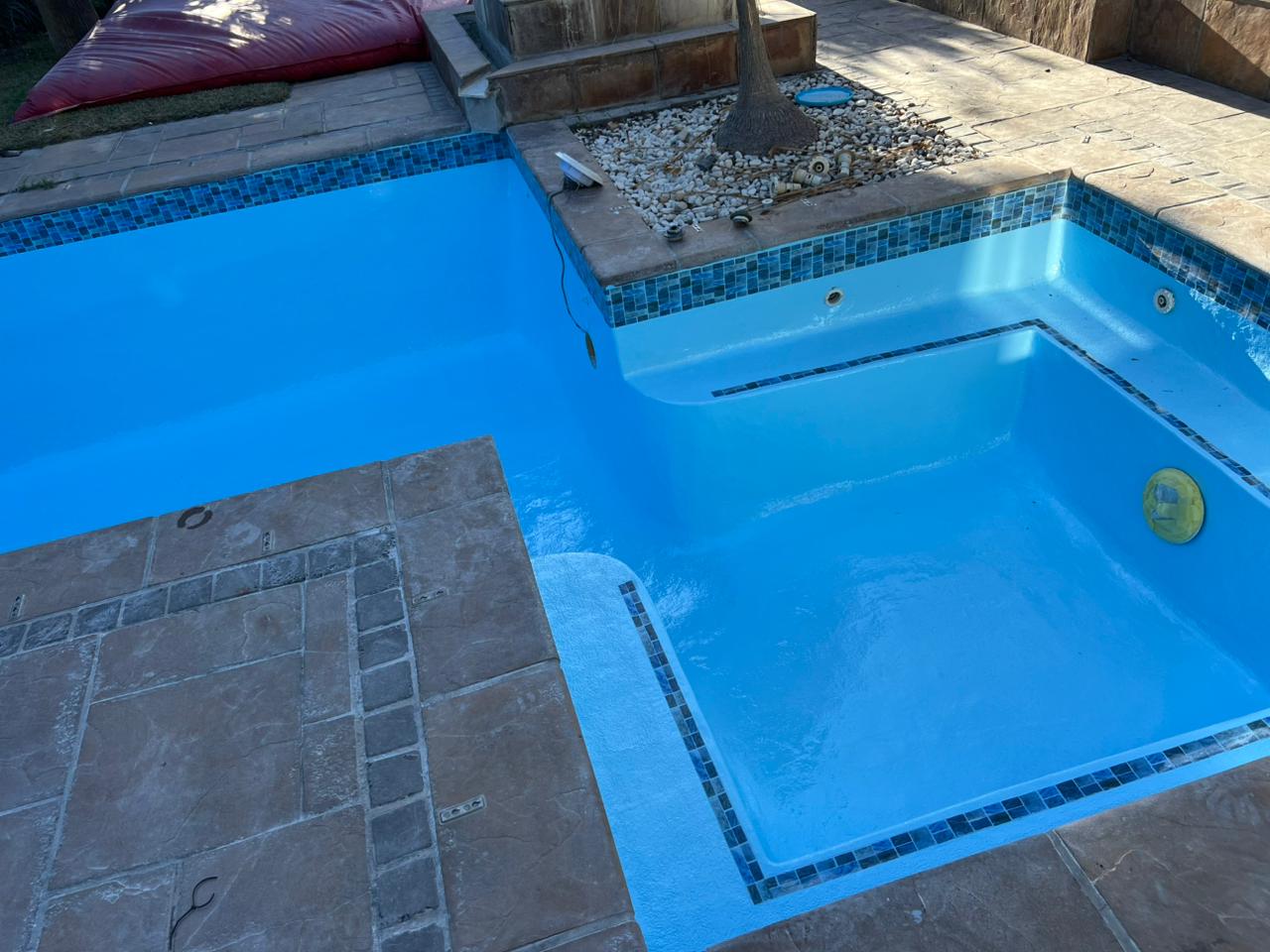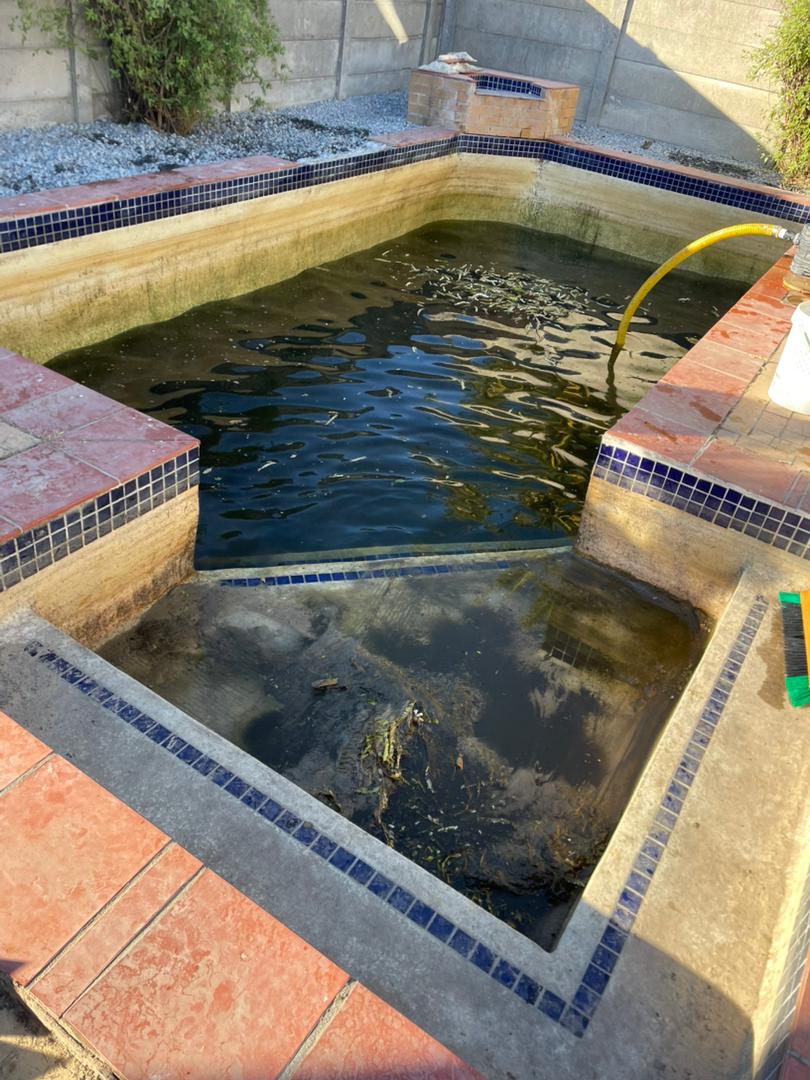
First, an important local correction: Cape Town pools do not get “closed” the way American or European guides describe. No draining below the skimmer, no antifreeze in the lines, no putting the pool to sleep for six months — our winters are simply not that cold, and following northern-hemisphere winterising advice here causes more damage than it prevents. What a Cape pool needs is a reduced-service winter routine: less circulation, less chemistry, more cover — but never zero attention. Here is the method that has pools emerging in October needing a weekend of work instead of a month.
Why you never fully shut down a Cape pool
Our winter is wet, mild and stormy — three things that punish an abandoned pool. Mild temperatures mean algae never truly stops growing; it just slows. Winter fronts dump debris and phosphate-rich runoff into the water. And rain dilutes whatever chemistry you left behind. A pool with the pump literally off from May to September is a swamp by August — we recover dozens of them every spring, and the recoveries are hard on filters, surfaces and wallets alike.
The winter shutdown sequence (an afternoon, done once)
- Deep-clean first. Brush everything, vacuum thoroughly, empty baskets. You are removing the organic fuel algae would live on till spring.
- Balance, then shock. Correct alkalinity and pH, then take chlorine high one last time and let it settle back to normal range over a few days.
- Service the filter. Backwash and rinse properly — a loaded sand bed sitting all winter is how beds cement and grease up. Note your clean pressure.
- Cut the run time, not the power. Reset the timer to 4–6 hours daily, scheduled for daylight. This is the heart of Cape winterising: enough circulation to keep water moving and chlorinated, at less than half the summer power bill.
- Cover if you can. A decent cover is the single highest-value winter accessory in this climate — it blocks storm debris, cuts light that algae needs, and dramatically reduces the chemical workload.
The through-winter routine (ten minutes, fortnightly)
Winter maintenance is genuinely light if the shutdown was done right: every two weeks, empty the baskets, test and correct chlorine and pH, and glance at the pressure gauge and water level. After every major front, add one extra check — big rain both dilutes chemistry and raises the level. And that water level deserves real attention, because winter is leak-detection season in disguise: a pool that drops through a rainy Cape winter is leaking, full stop. Rain should be topping it up for free. Spotting that pattern in June and booking proper leak detection beats discovering soggy paving in November.
Winter is repair season — use it
Here is the practical secret the trade knows: winter is the best time to fix a pool. The pool is out of use anyway, contractor diaries are open, and weather windows — while needing more planning — are workable. Surfaces that limped through summer (rough marbelite, blistering fibreglass, stains that keep returning) are ideal winter relining projects: the pool drains in June and refills in July, instead of standing empty through prime swimming weeks in December. The same logic applies to pump overhauls and filter rebeds. If your pool ended summer with a known issue, book a free assessment now and let the fix happen in the off-season.
Frequently asked questions
Can I switch the pump off completely for winter?
Not in Cape Town. Four to six daylight hours keeps water moving and treatable; zero hours buys you a spring swamp recovery that costs far more than the electricity saved.
Should I lower the water level for winter?
No — keep it at normal mid-weir level. Our winter problem is overflow from rain, not freezing. If heavy rains push the level high, run the pump on waste briefly to drop it.
Do winter chemicals differ from summer ones?
Same chemicals, smaller doses — cold water consumes chlorine slower. A winter algaecide dose at close-down adds cheap insurance under a cover.
Is winter really a good time for a reline?
It is the best time — empty-pool weeks cost you nothing in swimming, and curing schedules just need dry-window planning, which we build into winter quotes.