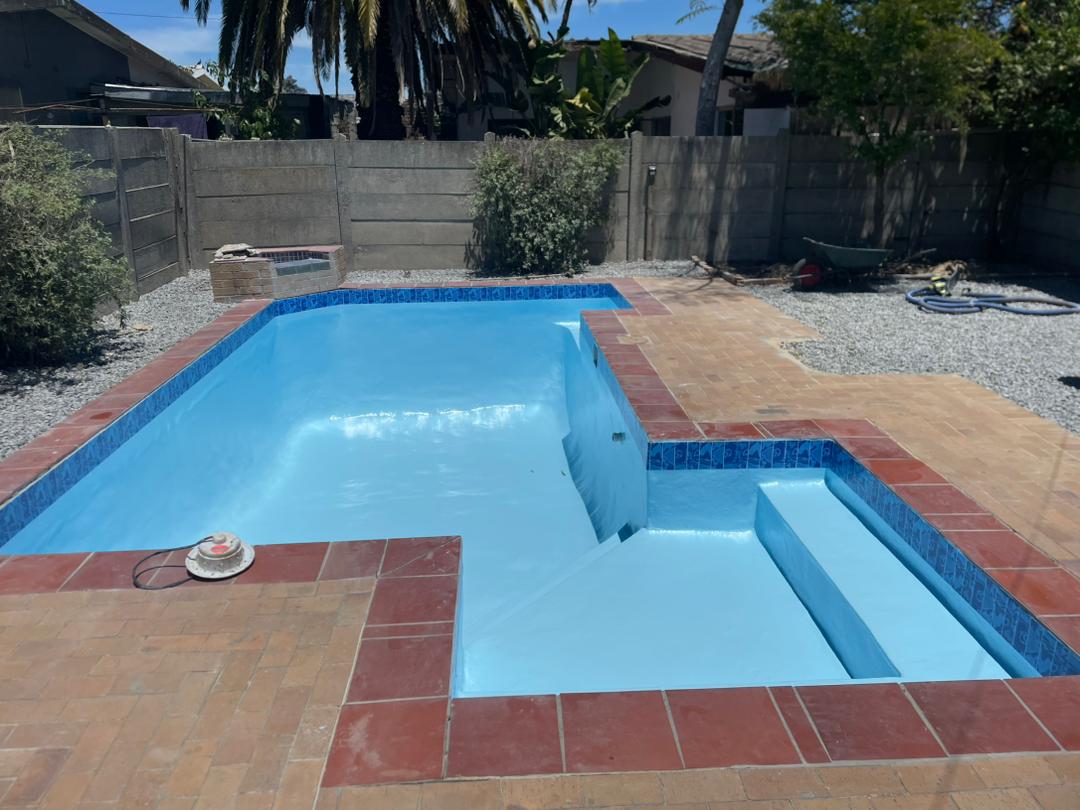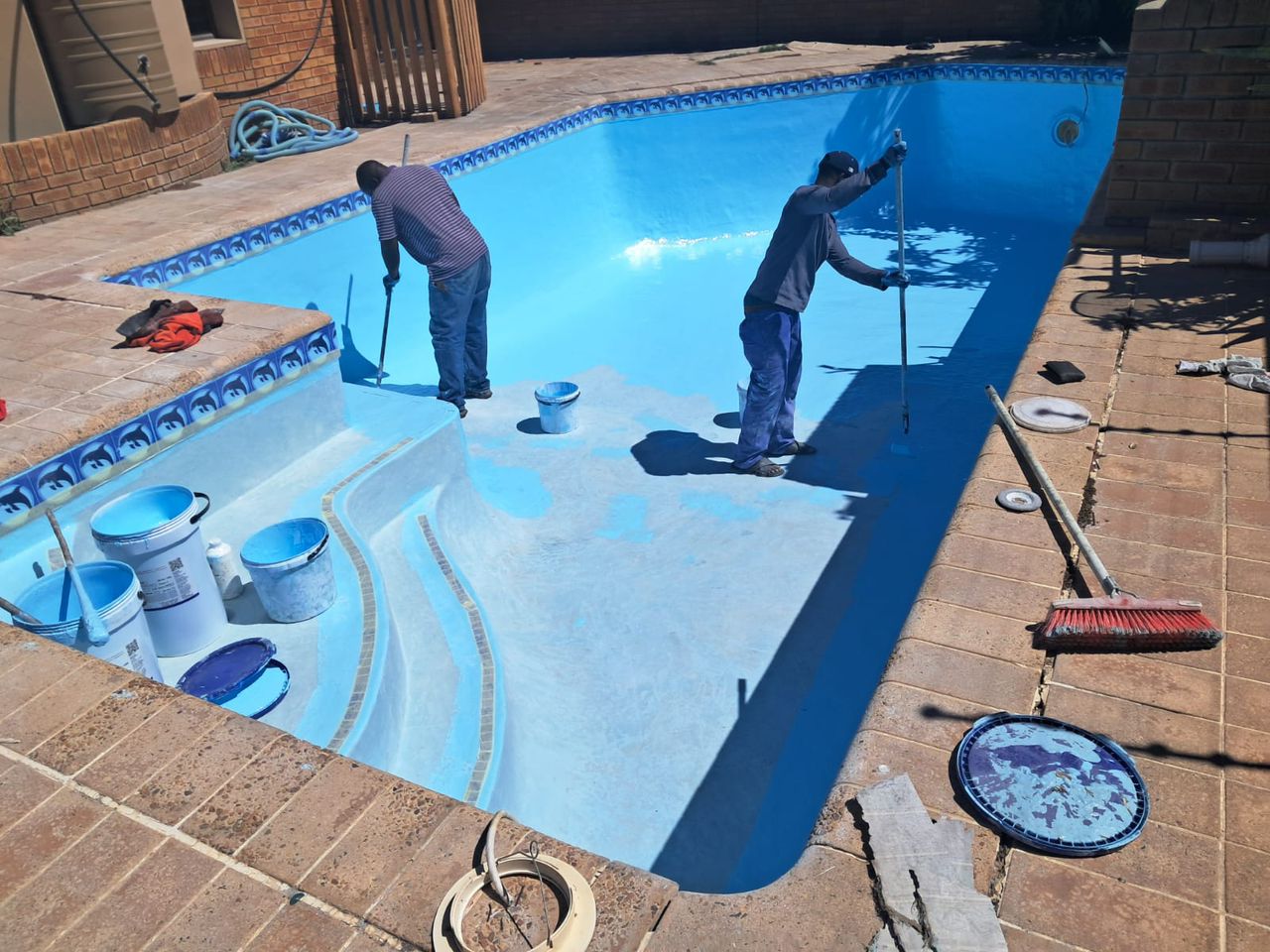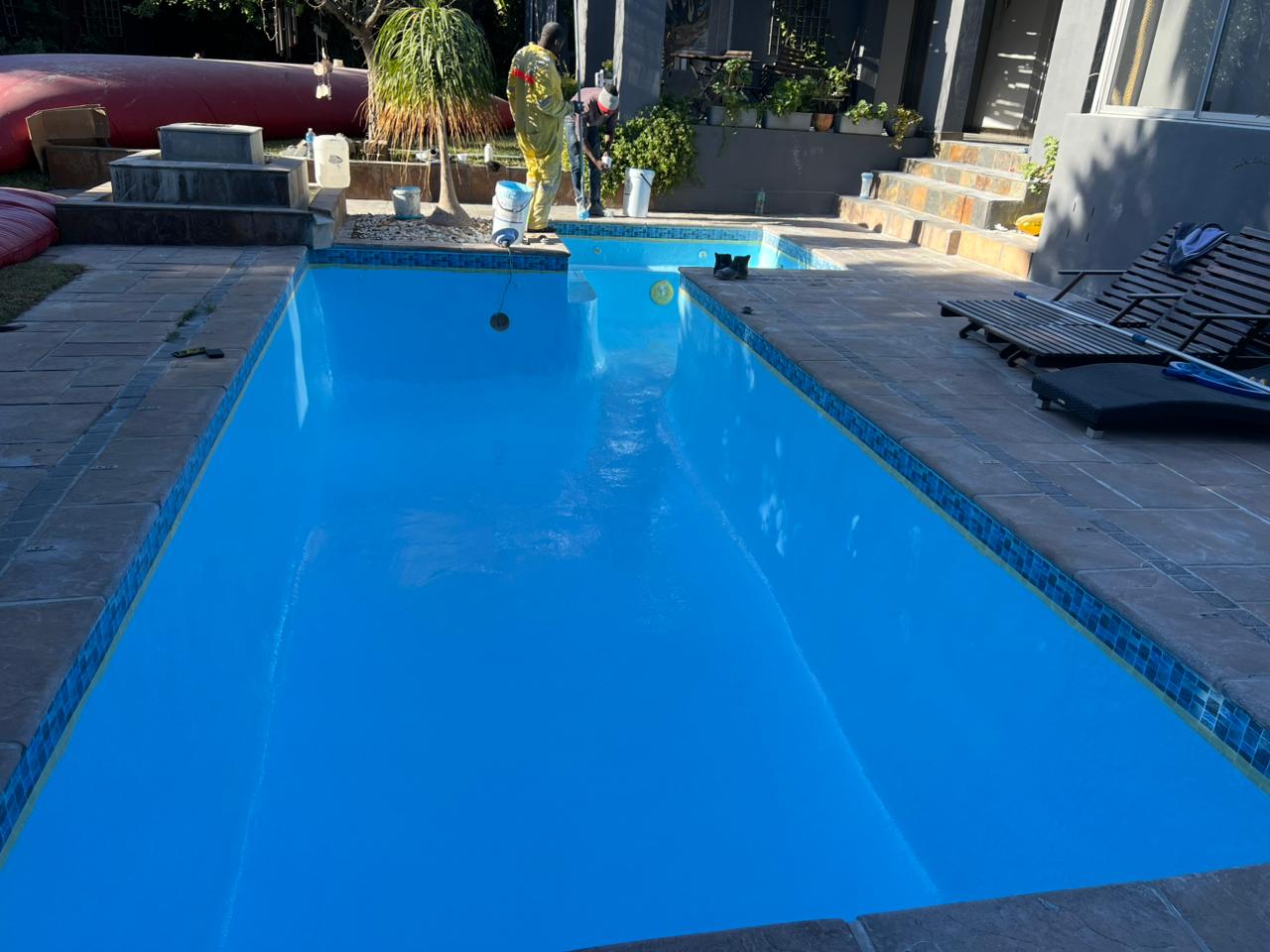
Fibreglass swimming pools are popular because they are durable, low maintenance, and have a smooth surface that is comfortable for swimmers. However, like any pool structure, fibreglass pools can sometimes develop cracks over time. These cracks may occur due to ground movement, aging materials, structural stress, or improper installation.
A cracked fibreglass pool shell should never be ignored, as it can lead to water leaks, structural damage, and costly repairs if left untreated. Fortunately, many fibreglass cracks can be repaired effectively when detected early and handled by experienced professionals.
In this guide, we will explain what causes fibreglass pool cracks, how they can be repaired, and when you should contact professionals such as Gibbs Pools to ensure the job is done properly.
What Is a Fibreglass Pool Shell?
A fibreglass pool shell is a pre-moulded structure made from layers of fibreglass reinforced with resin and protective gel coatings. This shell forms the main structure of the pool and is designed to hold water while maintaining structural stability in the surrounding ground.
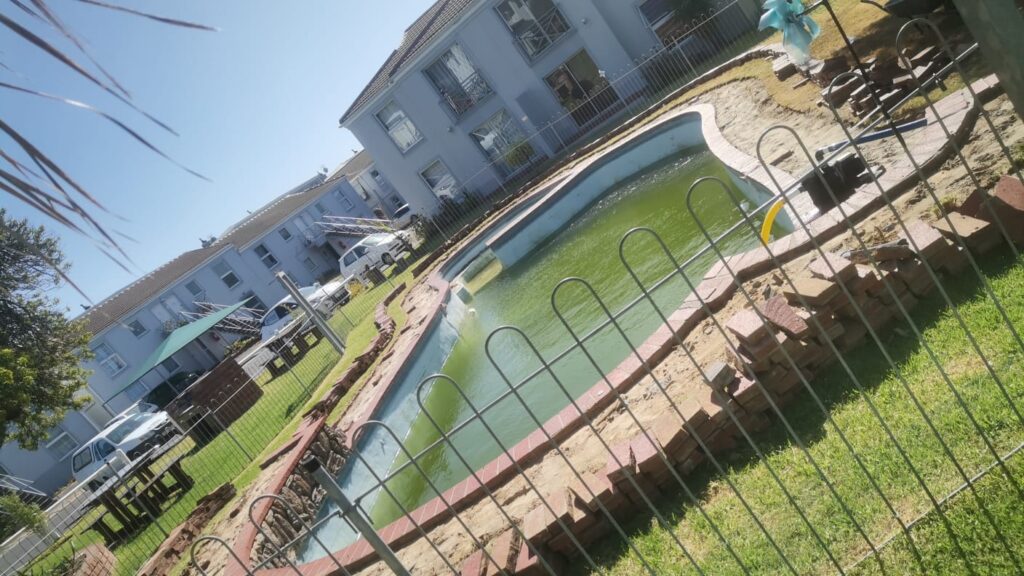
Fibreglass pools are manufactured in factories and then transported to the installation site where they are placed into a prepared excavation. The shell is strong, flexible, and resistant to many common pool problems such as algae buildup and surface deterioration.
However, despite their durability, fibreglass shells can occasionally develop cracks due to environmental factors, installation issues, or general wear over time.
Common Causes of Fibreglass Pool Cracks
Understanding what causes cracks in fibreglass pools can help homeowners prevent future damage and maintain their pool properly.
Ground Movement or Soil Shifting
One of the most common causes of fibreglass pool cracks is ground movement. If the soil around the pool shifts due to heavy rainfall, erosion, or poor drainage, it can place pressure on the pool shell.
When the ground beneath the pool becomes unstable, the shell may flex or settle unevenly. Over time, this stress can lead to small cracks in the fibreglass surface. Proper installation and stable soil conditions are important for preventing these issues.
Poor Pool Installation
Improper installation can also cause structural stress on a fibreglass pool shell. If the pool base is not prepared correctly or if the support materials are uneven, the shell may not be properly supported.
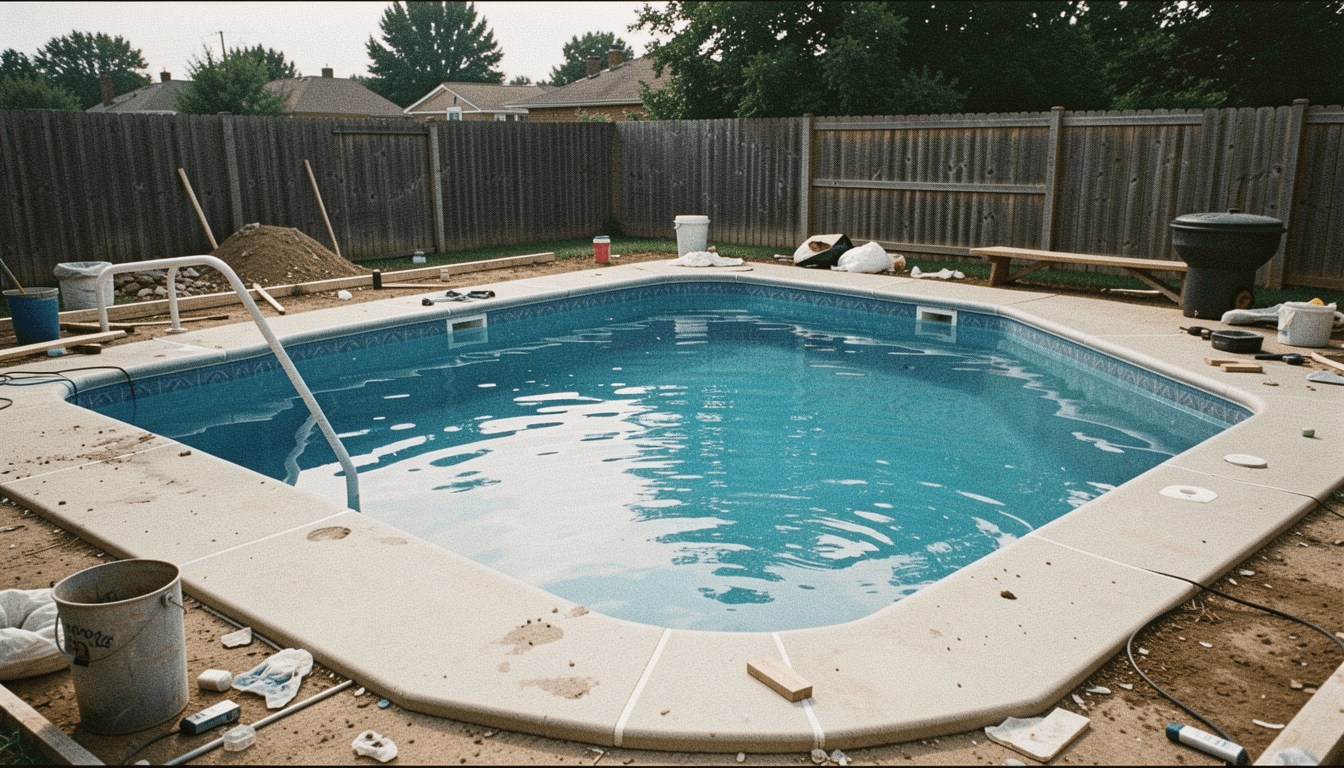
This uneven pressure can create stress points on the fibreglass surface. As the pool fills with water and the ground shifts over time, cracks may begin to form. Professional installation is essential to ensure the pool shell is fully supported and balanced.
Age and Material Wear
Although fibreglass pools are designed to last many years, aging materials can eventually weaken. Continuous exposure to sunlight, pool chemicals, and environmental conditions gradually affects the strength of the gel coat and fibreglass layers.
As the material ages, it may become more brittle and prone to cracking. Regular inspections and maintenance can help detect early signs of deterioration before major damage occurs.
Impact Damage
Sometimes cracks occur when heavy or sharp objects hit the pool surface. Dropping equipment, pool furniture, or tools into the pool can damage the fibreglass coating.
Even small impacts may create hairline cracks that eventually expand if water pressure and movement continue to stress the surface. Being careful with pool equipment and surrounding items can help reduce this risk.
Signs Your Fibreglass Pool Shell Is Cracked
Cracks in a fibreglass pool may not always be obvious at first. Some cracks begin as small hairline fractures that gradually worsen over time. Recognizing the early warning signs can help you address the problem before it becomes more serious.
Visible Cracks in the Pool Surface
The most obvious sign of a problem is visible cracking on the pool surface. These cracks may appear as thin lines on the gel coat or deeper splits in the fibreglass layer.
Small surface cracks may initially seem harmless, but they can eventually allow water to penetrate deeper layers. If you notice visible cracking, it is best to have the pool inspected by a professional.
Water Loss or Pool Leaks
Unexplained water loss can be a strong indicator of a crack in the pool shell. While evaporation causes some water loss, a sudden or consistent drop in water levels may suggest a structural leak.
Leaks from cracked fibreglass shells can allow water to escape into the surrounding soil. This can lead to further ground movement and additional structural problems if not repaired.
Surface Bulging or Soft Spots
In some cases, cracks may cause the fibreglass surface to weaken and create soft or flexible areas. You may notice sections of the pool wall that feel slightly uneven or softer than normal.
These areas often indicate structural damage beneath the surface layer. If left untreated, the damage can spread and compromise the integrity of the pool shell.
Discoloration Around the Crack
Cracks may sometimes cause discoloration or staining around the affected area. Water may seep through the crack and carry debris or minerals that stain the surface.
This discoloration can appear as darker lines or unusual patches around the crack location. While it may appear cosmetic at first, it can indicate underlying damage that requires repair.
How Fibreglass Pool Cracks Are Repaired
Repairing a cracked fibreglass pool shell requires specialized techniques and materials to restore the strength and waterproof seal of the structure. The repair process may vary depending on the size and severity of the crack.
Draining the Pool
The first step in repairing a fibreglass pool crack is draining the pool. This allows technicians to safely access the damaged area and properly inspect the extent of the crack.
Draining must be done carefully to avoid additional stress on the pool shell. Professionals ensure that the pool structure remains stable during this process.
Grinding and Preparing the Damaged Area
Once the pool is empty, the cracked section is carefully ground down to remove damaged fibreglass and expose the affected layers. This preparation step ensures that new materials will bond correctly with the existing structure.
Cleaning and smoothing the repair area also helps eliminate loose particles that could weaken the repair.
Applying Fibreglass Reinforcement
New fibreglass layers and resin are applied to reinforce the damaged section. These materials are carefully layered and shaped to match the original structure of the pool shell.
This process restores the strength and flexibility of the fibreglass surface. Once the reinforcement cures, the repaired area becomes strong and stable again.
Gel Coat Finishing
After the structural repair is completed, a new gel coat is applied to the surface. The gel coat restores the smooth finish and waterproof protection of the pool interior.
Professionals carefully match the color and texture of the existing pool surface to ensure the repair blends seamlessly with the rest of the pool.
Refilling and Testing the Pool
After the repair materials have fully cured, the pool is refilled with water. Technicians then inspect the repaired area to ensure the crack is completely sealed and the structure is stable.
Water chemistry is balanced before the pool is returned to normal use.
Benefits of Repairing Fibreglass Pool Cracks
Repairing fibreglass cracks early offers several advantages for pool owners. One of the main benefits is preventing water leaks that can damage surrounding soil and pool foundations. Addressing cracks quickly helps maintain the structural stability of the pool shell.
Another important benefit is extending the lifespan of the pool. Proper repairs restore the strength of the fibreglass structure and prevent small cracks from expanding into major structural issues.
Timely repairs also maintain the appearance and comfort of the pool. A smooth and properly sealed surface improves swimming comfort and prevents further deterioration of the pool interior.
How Much Does Fibreglass Pool Crack Repair Cost?
The cost of repairing a cracked fibreglass pool shell depends on several factors. One major factor is the size and depth of the crack. Small surface cracks are generally easier and less expensive to repair than large structural cracks.
The location of the crack can also affect repair costs. Cracks in difficult-to-reach areas may require additional labour and preparation. In some cases, multiple cracks may require more extensive reinforcement work.
Additional structural issues may also increase the cost if the surrounding pool foundation needs repair. A professional inspection is usually the best way to determine the exact repair requirements and associated costs.
How to Prevent Fibreglass Pool Cracks
Although some cracking may occur naturally over time, proper maintenance can help reduce the risk of damage.
Maintaining balanced pool chemicals is important for protecting the fibreglass surface and preventing deterioration of the gel coat. Avoiding heavy impacts or dropping equipment into the pool can also help prevent surface damage.
Proper drainage around the pool area is another important factor. Stable soil conditions reduce ground movement that can place pressure on the pool shell. Regular inspections by professionals can help identify potential issues early and keep the pool in good condition.
Should You Repair It Yourself or Hire a Professional?
While small cosmetic cracks may appear easy to fix, fibreglass repairs require specialized materials and experience. Improper repairs may fail over time and allow the crack to reopen or expand.
Professional technicians understand how to properly reinforce the fibreglass layers and restore the structural integrity of the pool shell. They also have the tools required to match the gel coat finish and ensure a durable repair.
If your pool shell has developed cracks, working with experienced professionals such as Gibbs Pools is highly recommended. Their team specializes in fibreglass pool repairs, relining, and complete pool maintenance services.
Frequently Asked Questions (FAQs)
What causes cracks in a fibreglass pool shell?
Cracks can occur due to ground movement, poor installation, aging materials, impact damage, or structural stress on the pool shell.
Can fibreglass pool cracks be repaired?
Yes, most fibreglass pool cracks can be repaired using fibreglass reinforcement and gel coat restoration techniques.
Are small cracks in a fibreglass pool serious?
Even small cracks can become larger over time. It is best to repair them early to prevent water leaks and structural damage.
How long does fibreglass pool crack repair take?
Most professional repairs can be completed within one to several days, depending on the severity of the damage.
Do fibreglass pool repairs last?
When performed correctly by professionals, fibreglass pool repairs can last many years and restore the strength of the pool shell.
Can I repair a fibreglass pool crack myself?
While DIY repair kits exist, professional repairs are recommended because fibreglass restoration requires proper preparation, materials, and expertise.
How do I know if my pool crack is structural?
If the crack is large, leaking water, or causing surface movement, it may be structural. A professional inspection is the best way to determine the severity.
Will a repaired crack be visible?
Professionally repaired cracks are usually blended with matching gel coat, making them much less noticeable.
Can cracks cause water leaks?
Yes. Cracks can allow water to escape from the pool and damage the surrounding soil or structure.
Who should I contact for fibreglass pool crack repairs?
Professional pool repair companies such as Gibbs Pools can inspect the damage and provide safe, reliable fibreglass repair solutions.