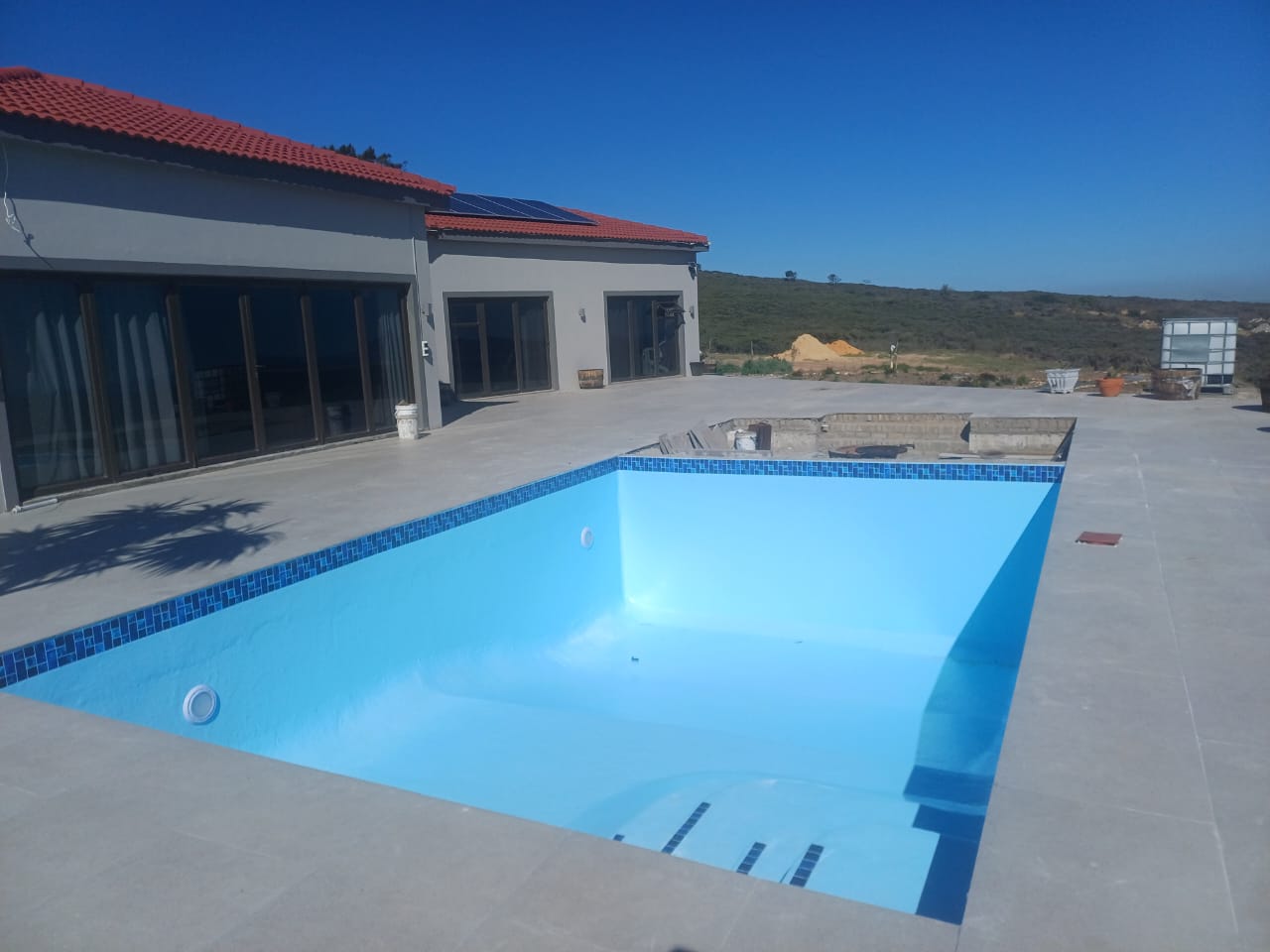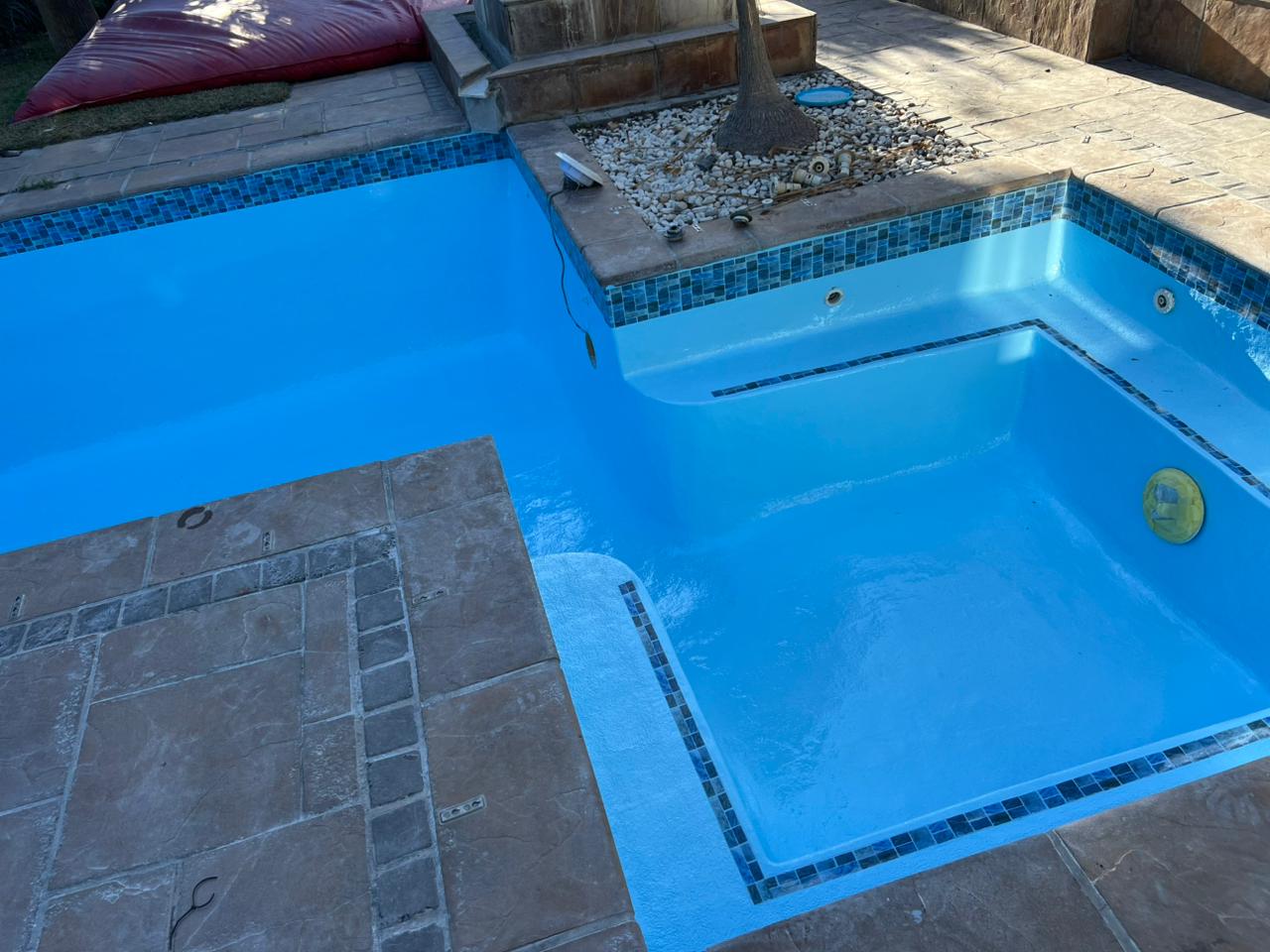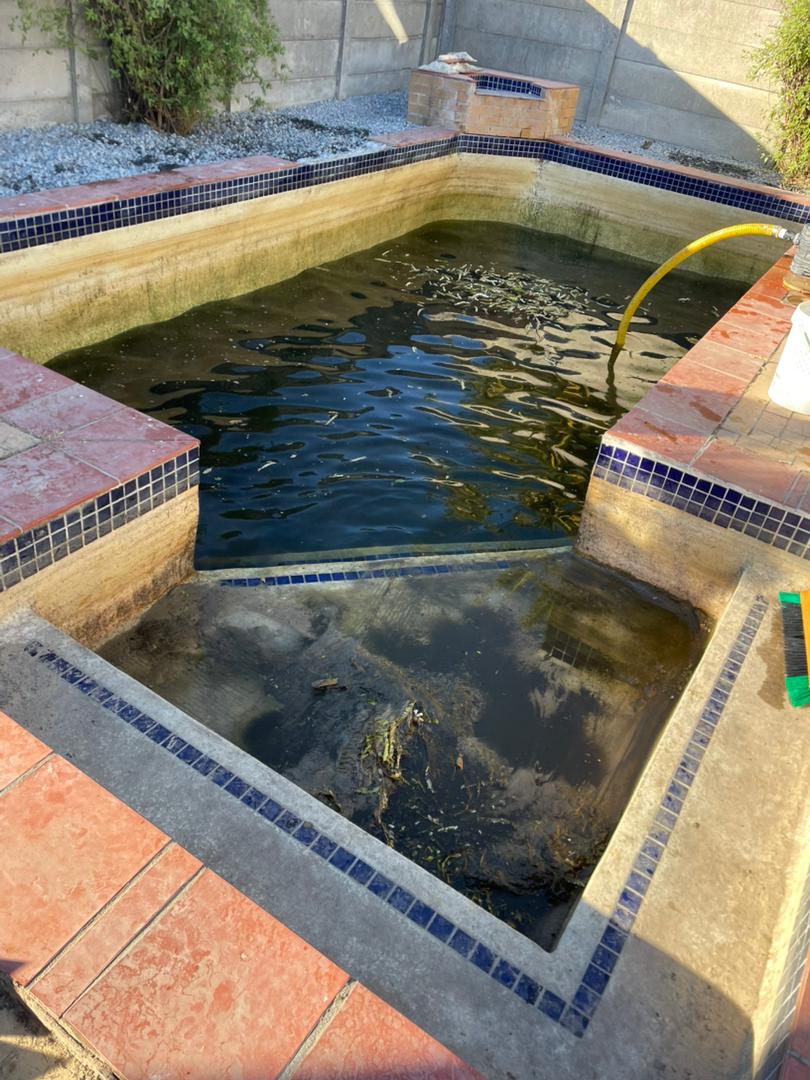
Pool relining is the process of removing the old liner from a swimming pool and installing a new one. The liner acts as a waterproof barrier that holds the water inside the pool while protecting the underlying structure. Without a properly functioning liner, the pool may develop leaks, structural issues, or surface damage over time.
Most commonly, pool liners are used in vinyl liner pools, although certain fiberglass and custom-built pools may also use liner systems. Over time, liners are affected by UV rays, chemical exposure, and regular pool use. These factors gradually weaken the material, making replacement necessary.
Relining a pool not only restores its waterproof protection but also improves the overall appearance of the pool. Many modern liners are available in stylish designs that can give an older pool a completely refreshed look.
Types of Pool Liners
Choosing the right pool liner is important for durability, comfort, and aesthetics. Pool liners come in different materials and styles, each offering unique advantages depending on the pool design and homeowner preferences. Some liners focus on affordability, while others prioritize durability or decorative appearance. Understanding the different types of liners available can help pool owners make informed decisions when it comes time to replace their existing liner.
Vinyl Pool Liners
Vinyl pool liners are the most common type used in residential swimming pools. They are flexible and designed to fit a wide range of pool shapes and sizes, which makes them ideal for custom pools as well as standard designs. Vinyl liners are also relatively affordable compared to other pool interior finishes, making them a popular choice among homeowners.
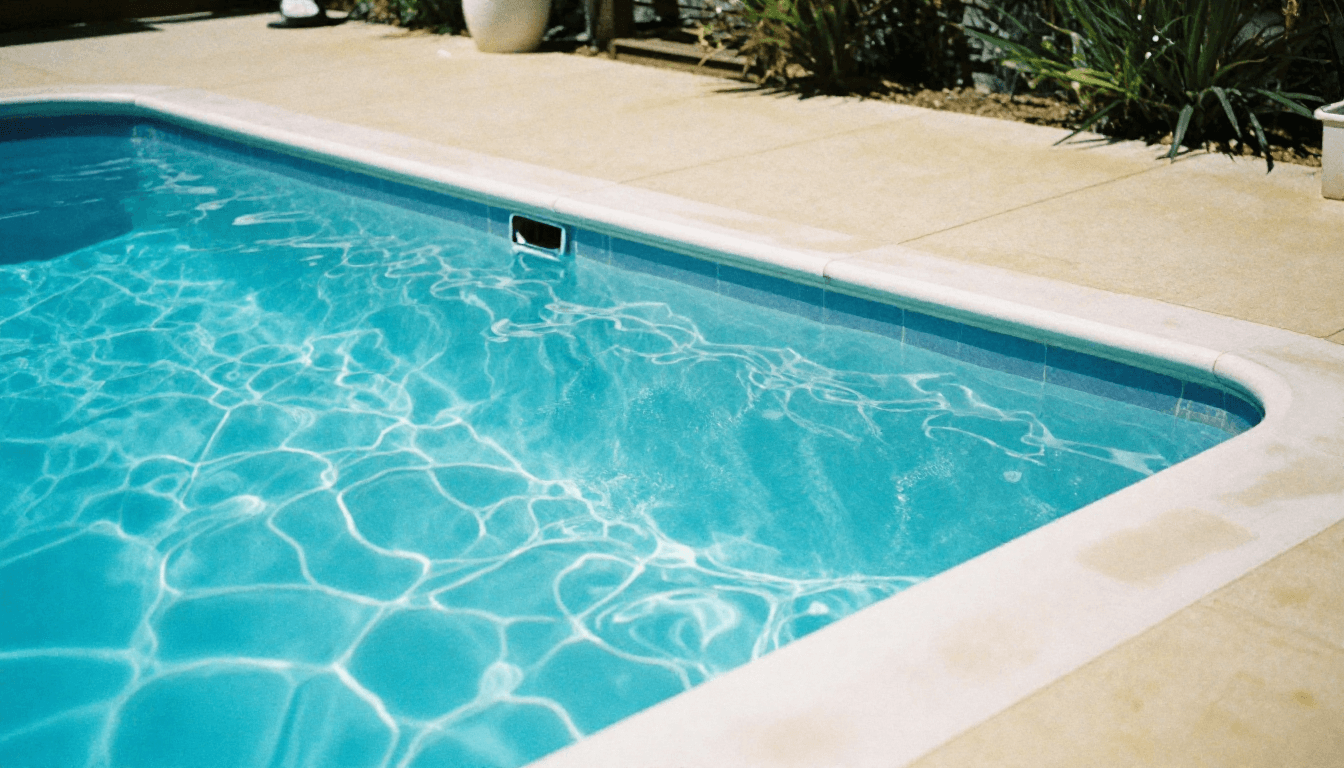
Another advantage of vinyl liners is their smooth surface, which is comfortable for swimmers and reduces the risk of scrapes or irritation. Modern vinyl liners are available in various colors, textures, and decorative patterns that can significantly improve the appearance of a pool. With proper maintenance and balanced water chemistry, vinyl liners can last many years before needing replacement.
Fiberglass Liners
Fiberglass pool surfaces are known for their durability and sleek appearance. In certain pool designs, fiberglass-style liners or surfaces provide a long-lasting and low-maintenance solution for homeowners. Fiberglass surfaces are naturally resistant to algae growth, which helps reduce cleaning and chemical usage.
The smooth, non-porous surface of fiberglass liners also makes them easier to maintain compared to some other pool interior materials. Many pool owners appreciate the modern and polished look that fiberglass finishes provide. Although fiberglass surfaces can be more expensive initially, their durability and reduced maintenance requirements often make them a worthwhile investment.
Custom Pattern Liners
Custom pattern liners are ideal for homeowners who want to upgrade the appearance of their swimming pool. These liners are available in a wide variety of decorative styles, including tile patterns, stone textures, mosaic designs, and contemporary colors. Replacing an old liner with a new patterned liner can dramatically transform the look of the pool area.
Modern custom liners are not only designed for aesthetics but also built with improved durability and UV protection. Many manufacturers offer thicker liner options that increase lifespan and resistance to damage. Choosing a custom liner allows homeowners to combine both functionality and design during a pool relining project.
Signs Your Pool Needs Relining
Pool liners naturally wear down over time due to exposure to sunlight, chemicals, and daily use. While minor issues can sometimes be repaired, there are several clear signs that indicate a liner may need to be replaced. Recognizing these warning signs early can prevent larger problems and costly repairs in the future.
Regularly inspecting your pool liner helps identify issues before they become severe. Below are some of the most common signs that your pool may need relining.
Visible Cracks or Tears
Cracks or tears in the pool liner are a strong indication that the liner is deteriorating. Even small tears can grow larger due to water pressure and movement inside the pool. Over time, damaged liners can allow water to leak behind the liner and into the pool structure.
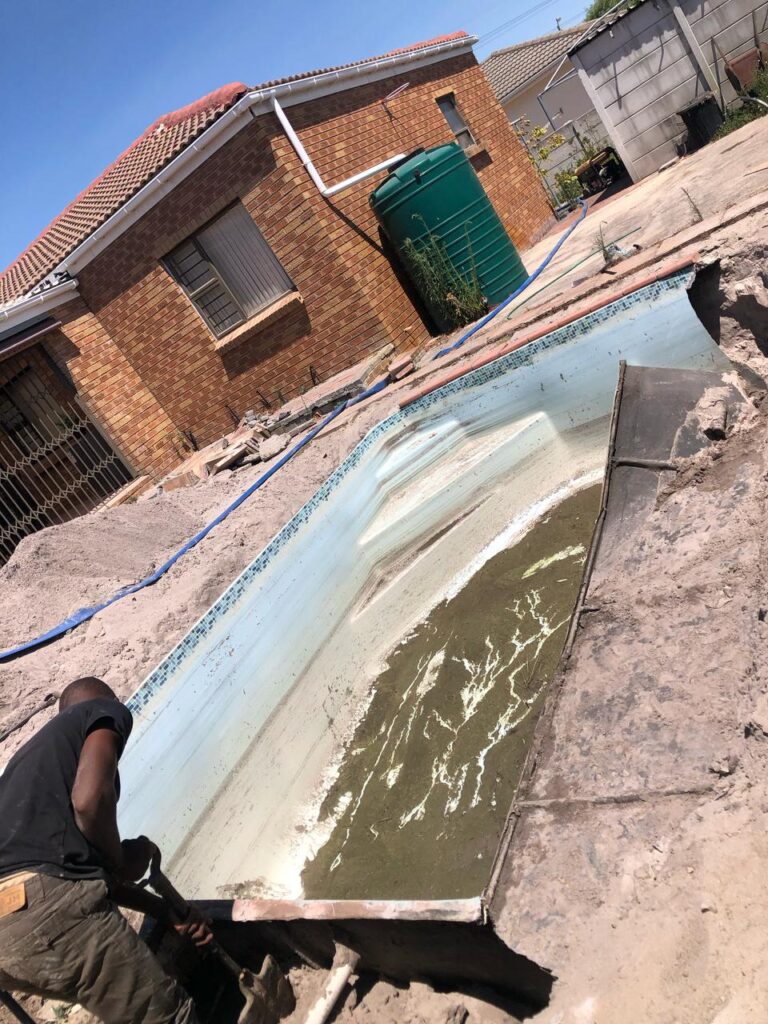
If these leaks are left untreated, they can lead to structural problems or soil erosion around the pool. Repairing small tears may provide a temporary solution, but extensive damage usually requires a full liner replacement. Installing a new liner restores the waterproof seal and prevents further damage.
Fading or Staining
Sun exposure and chemical reactions can cause pool liners to fade or develop stains over time. While fading may initially appear to be a cosmetic issue, it often indicates that the liner material is weakening. Severe discoloration can also make the pool look older and less appealing.
Modern pool liners are designed with improved UV protection and stronger materials that resist fading. Replacing a worn liner can restore the vibrant appearance of the pool while improving durability. Many homeowners choose this opportunity to upgrade to a more modern design or pattern.
Wrinkles or Loose Liner
Wrinkles in the liner are often caused by aging materials or water that has seeped behind the liner. When the liner becomes loose, it may shift away from the pool surface and create uneven areas. These wrinkles can be uncomfortable for swimmers and may eventually worsen if not addressed.
A loose liner may also affect the pool’s ability to maintain a proper seal. If wrinkles become widespread, replacing the liner is usually the best long-term solution. A properly installed liner should fit tightly against the pool walls and floor without visible folds.
Frequent Water Loss
If you notice that your pool water level drops frequently, it may indicate a leak in the liner. Although some water loss can occur due to evaporation, excessive or rapid water loss is often a sign of liner damage. Leaks not only waste water but can also increase maintenance costs.
When water escapes behind the liner, it can weaken the pool foundation or surrounding soil. Identifying and fixing the issue quickly is important to avoid larger structural problems. In many cases, relining the pool is the most effective solution.
Liner Age (Typically 8–15 Years)
Most pool liners have an average lifespan of around 8 to 15 years. The exact lifespan depends on factors such as maintenance, climate conditions, chemical balance, and pool usage. As liners age, they become less flexible and more prone to cracking or tearing.
Even if the liner still appears functional, older liners may be close to failure. Replacing the liner before major damage occurs can prevent sudden leaks and costly repairs. Routine inspections can help determine when it is time to consider relining.
The Pool Relining Process
Pool relining is a detailed process that requires careful preparation and professional installation. Although the exact steps may vary depending on the pool design, the general process follows several important stages.
Draining the Pool
The first step in pool relining is draining all the water from the pool. This allows technicians to access the liner and inspect the interior structure of the pool. Proper draining must be done carefully to prevent damage to the pool walls or surrounding ground.
Removing the Old Liner
Once the pool is empty, the old liner is removed from the pool walls and floor. During this stage, installers carefully detach the liner from its track or fastening system. Removing the old liner also allows professionals to examine the underlying pool surface.
Inspecting the Pool Structure
After the liner is removed, technicians inspect the pool for any structural issues. This may include checking for cracks, uneven surfaces, or damage that could affect the new liner installation. Any necessary repairs are completed before installing the new liner.
Installing the New Liner
The new liner is then carefully positioned and fitted to match the pool’s shape and dimensions. Professional installers ensure that the liner sits smoothly against the pool walls and floor without wrinkles or air pockets. Proper alignment is essential for a long-lasting installation.
Refilling and Balancing Water
After installation is complete, the pool is refilled with water. Technicians then adjust the pool’s chemical balance to protect the new liner and maintain safe swimming conditions. Once this process is finished, the pool is ready for use again.
Benefits of Pool Relining
Replacing an old liner provides several important benefits for pool owners. Pool relining not only restores the appearance of the pool but also protects the underlying structure and improves overall performance.
A new liner helps prevent water leaks and ensures the pool remains fully waterproof. This protects the surrounding area from water damage and helps maintain stable pool conditions. Relining also improves the appearance of the pool by replacing faded or damaged surfaces with fresh designs.
Another major benefit is extending the life of the pool itself. A well-installed liner acts as a protective layer that shields the structure from moisture and wear. Additionally, modern liners provide smoother surfaces that improve swimmer comfort and safety.
How Much Does Pool Relining Cost?
The cost of pool relining can vary depending on several factors. One of the main factors is the size and shape of the pool, as larger pools require more liner material and labour. Complex pool shapes may also increase installation difficulty.
The type and thickness of the liner also affect the overall price. Higher-quality liners with thicker materials generally last longer but may cost more upfront. Installation costs may also vary depending on labour requirements and the complexity of the project.
Additional repairs can also influence the total cost. If structural issues are discovered during the relining process, they must be repaired before the new liner is installed. While this may increase the initial cost, it ensures the pool remains durable and reliable in the long term.
How to Extend the Life of Your Pool Liner
Proper maintenance can significantly extend the lifespan of a pool liner. One of the most important factors is maintaining balanced pool chemicals. Incorrect chemical levels can weaken liner material and cause premature damage.
Avoiding sharp objects in the pool is another important step. Pool toys, tools, or rough surfaces can puncture or tear the liner if not handled carefully. Regular cleaning also helps prevent stains and buildup that may affect the liner over time.
Keeping water levels stable and scheduling periodic pool inspections can also help identify potential problems early. With proper care, a quality pool liner can last many years before requiring replacement.
Should You DIY or Hire a Professional?
Although some homeowners consider installing a pool liner themselves, the process can be complex and requires precision. Improper installation can lead to wrinkles, leaks, or early liner failure. Even small mistakes during installation may result in costly repairs later.
Hiring experienced professionals ensures the liner is measured, fitted, and installed correctly. Professional installers also have the tools and expertise required to handle structural inspections and repairs if needed.
If you are considering relining your pool, working with experienced professionals such as Gibbs Pools can make the process much easier. Their team specializes in pool construction, maintenance, and relining services. They provide expert advice, quality materials, and professional installation to ensure long-lasting results.
Frequently Asked Questions (FAQs)
What is pool relining?
Pool relining is the process of replacing the liner inside a swimming pool. The liner acts as a waterproof barrier that keeps water inside the pool and protects the pool structure from damage.
How often does a pool liner need to be replaced?
Most pool liners last between 8 and 15 years, depending on maintenance, chemical balance, sun exposure, and overall pool usage.
What are the signs that my pool needs relining?
Common signs include cracks or tears in the liner, fading or discoloration, wrinkles in the liner, frequent water loss, and liners that have reached the end of their lifespan.
How long does pool relining take?
Professional pool relining typically takes one to three days, depending on the pool size and whether structural repairs are required.
Can I reline my pool without draining it?
No. The pool must be completely drained so the old liner can be removed and the new liner properly installed.
How much does pool relining cost?
The cost depends on factors such as pool size, liner material, labour costs, and any repairs needed before installation.
Is pool relining better than repairing the liner?
If the liner has extensive damage or is near the end of its lifespan, replacing the liner is usually more cost-effective than repeated repairs.
Can a damaged liner cause bigger problems?
Yes. A damaged liner can lead to leaks, structural damage, higher water bills, and erosion around the pool area.
Can I change my pool design when relining it?
Yes. Pool relining is a great opportunity to upgrade the appearance of your pool with new colors, textures, or decorative patterns.
How can I extend the life of my pool liner?
You can extend its lifespan by maintaining proper chemical balance, avoiding sharp objects in the pool, keeping water levels stable, and scheduling regular pool inspections.