If you’ve noticed bubbles forming on the sides or floor of your fiberglass pool, it’s not just a cosmetic issue — it’s a sign of deeper damage that needs proper attention.
In areas like Brackenfell, many pools begin to show these problems as they age. And one thing is certain: you can’t just paint over them. If you do, the bubbles will return — often worse than before.
Our Recent Resurfacing Work in Brackenfell
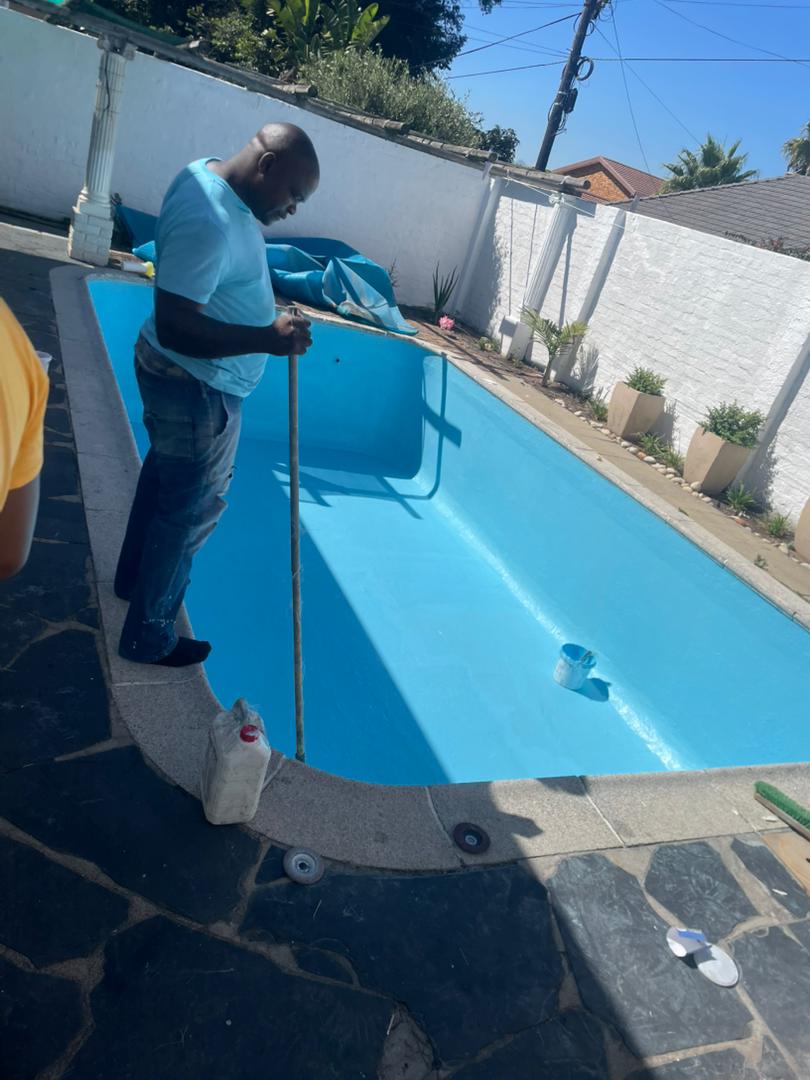
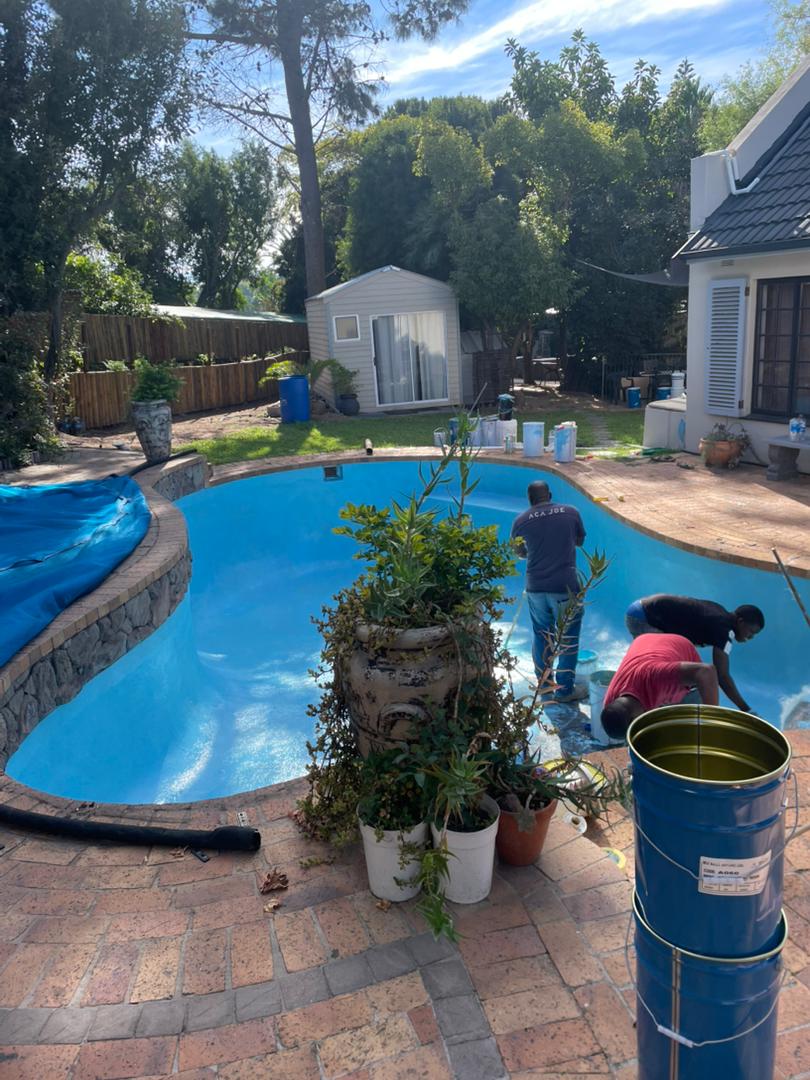
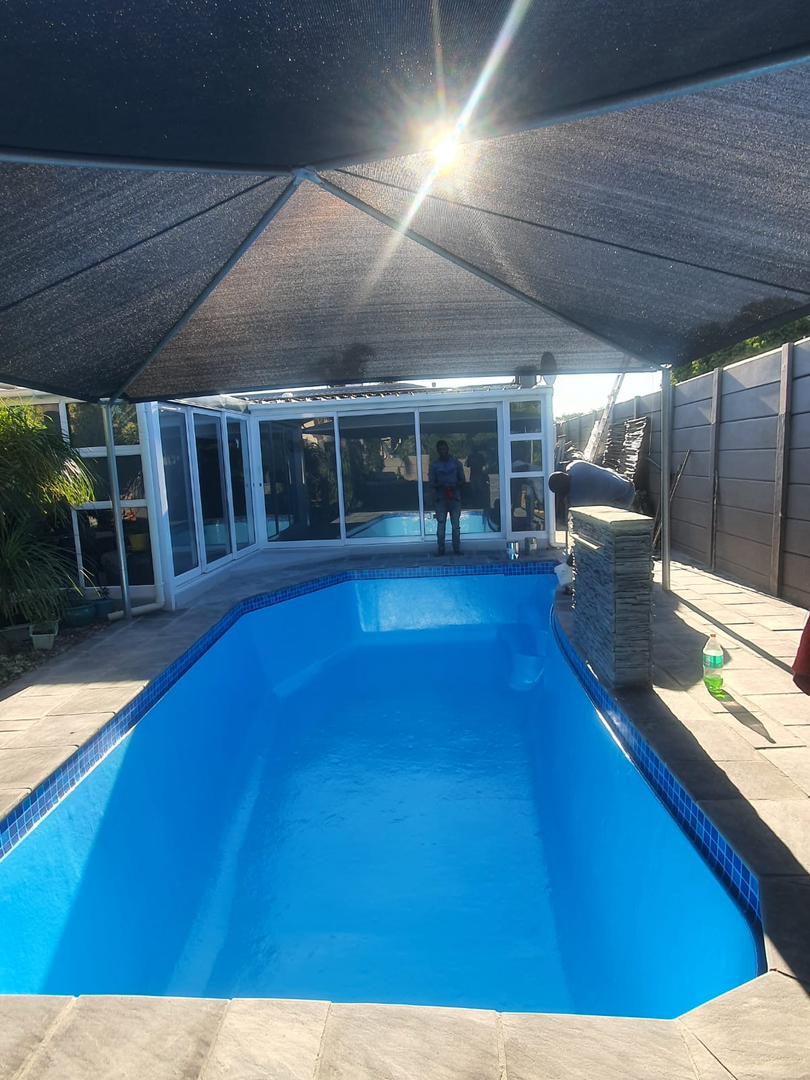
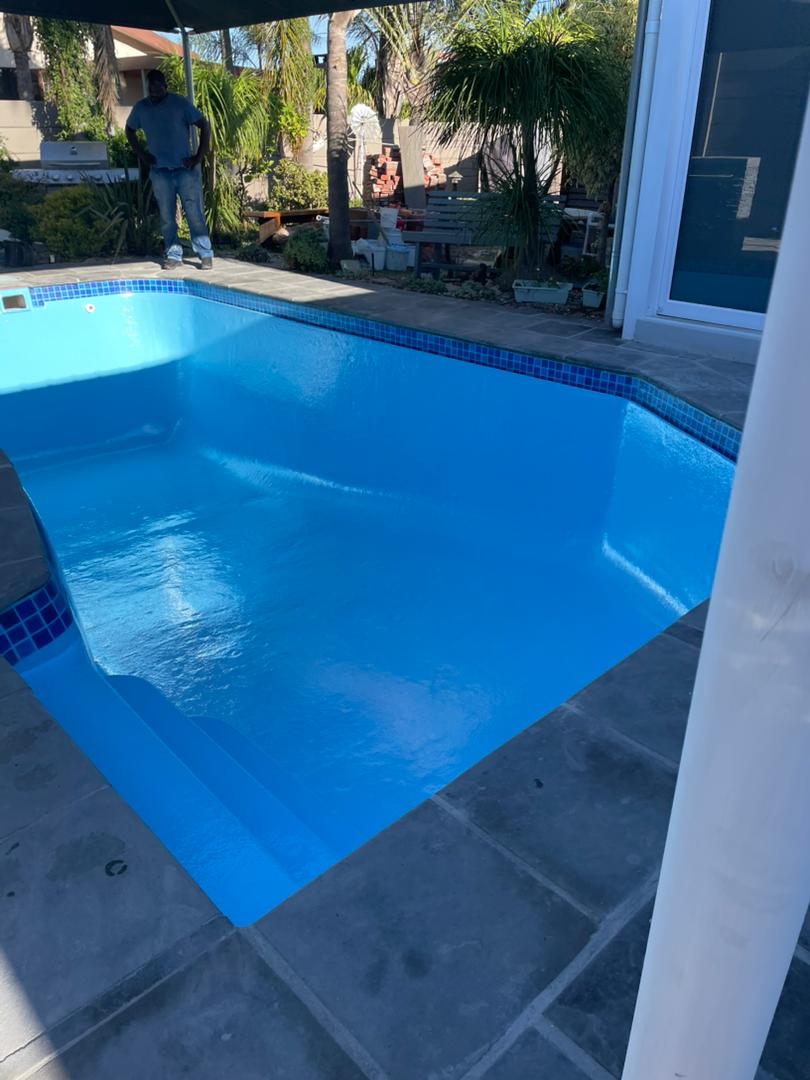
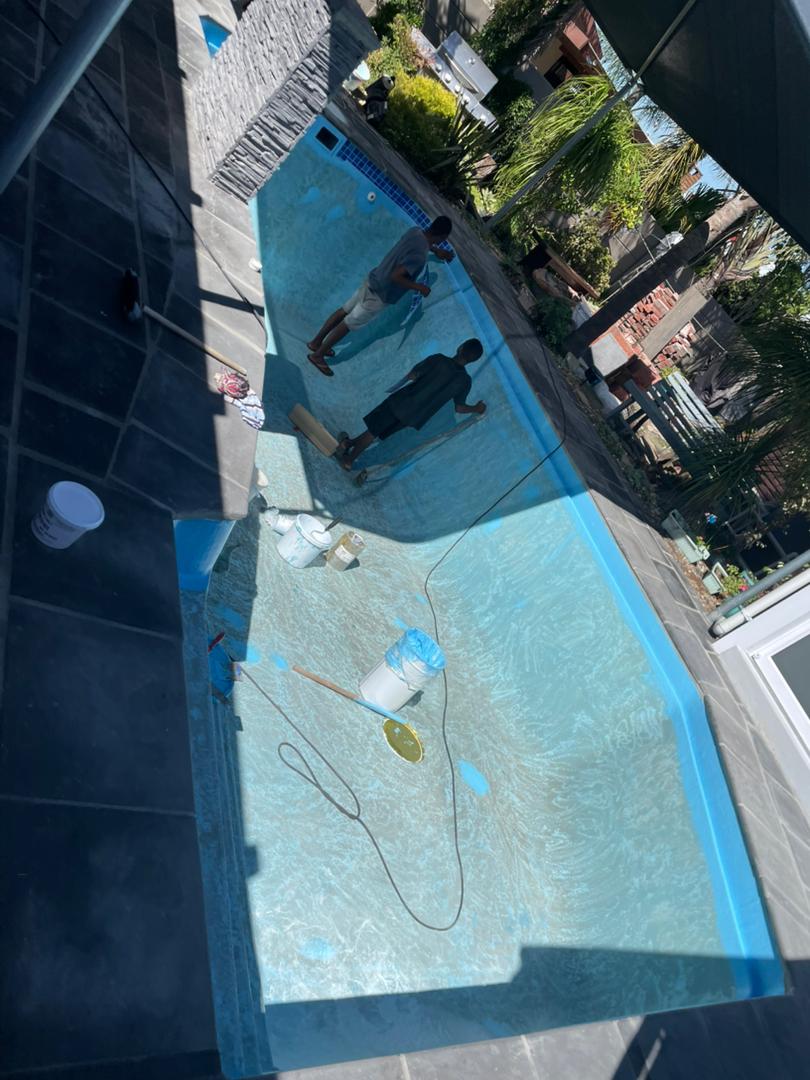
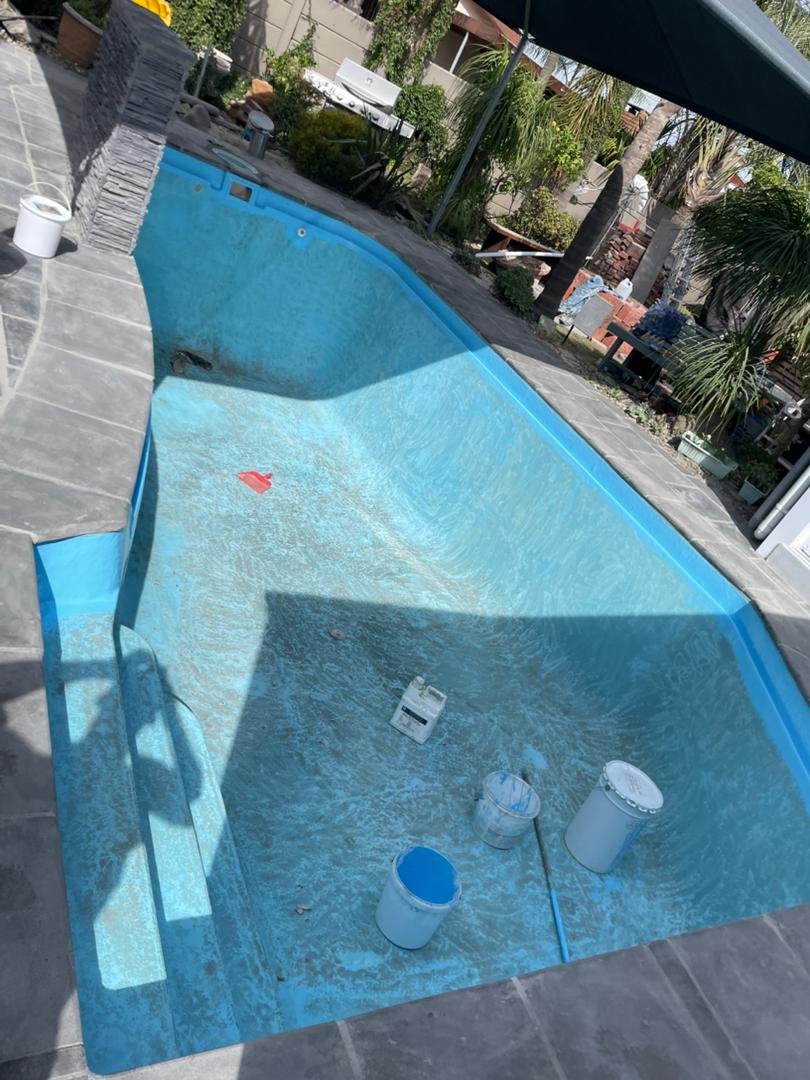
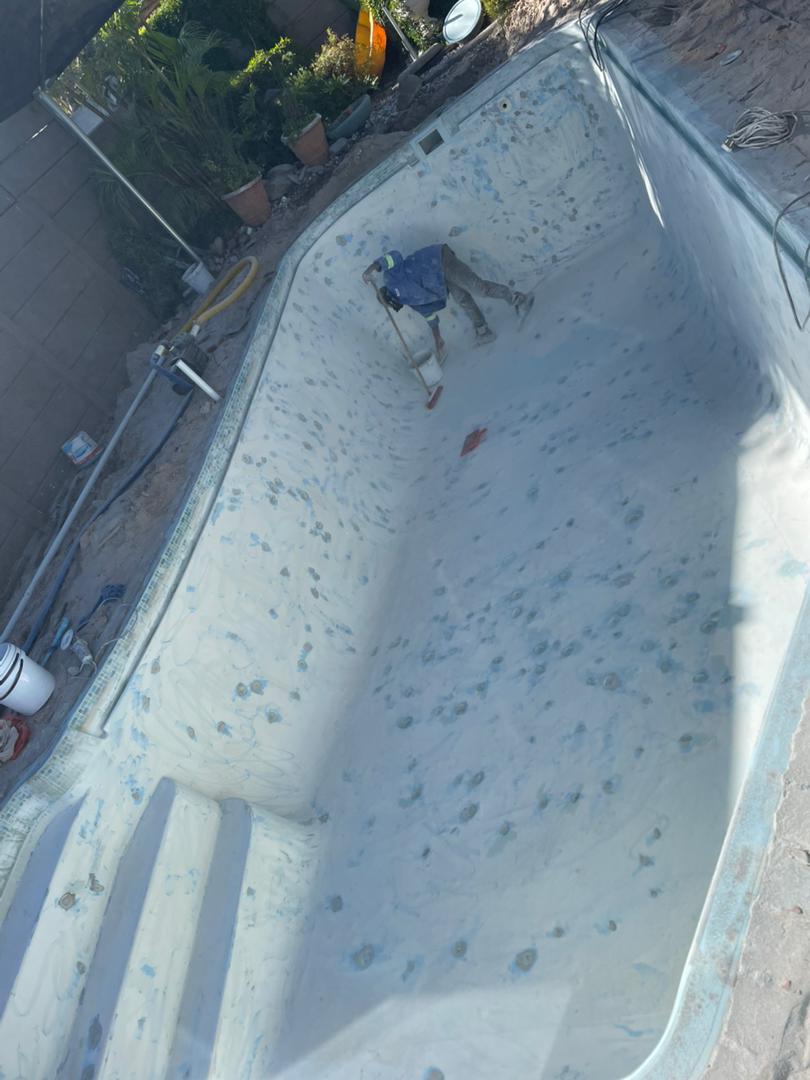
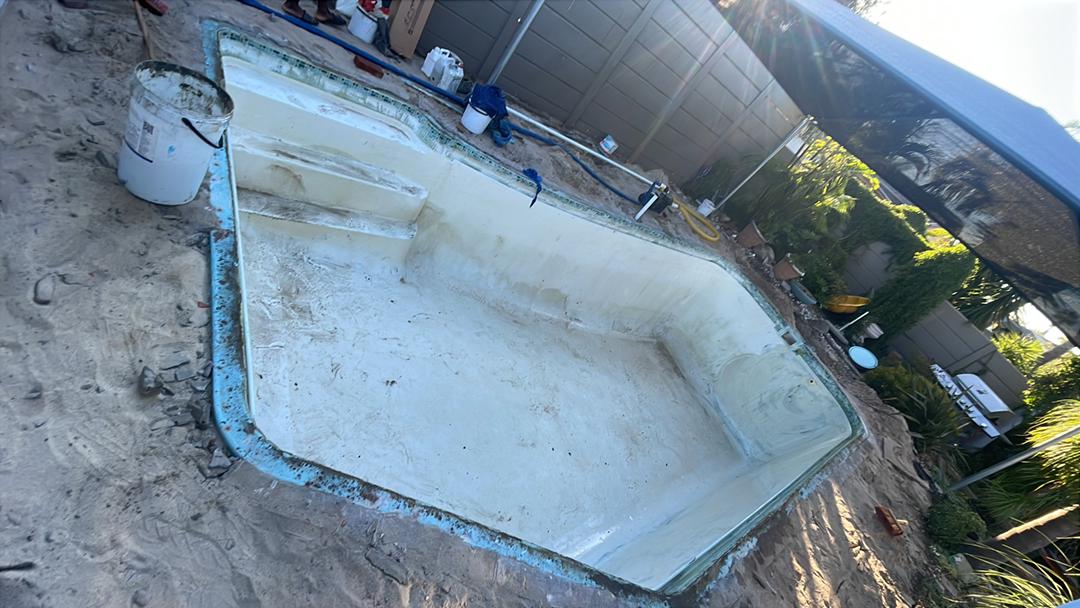
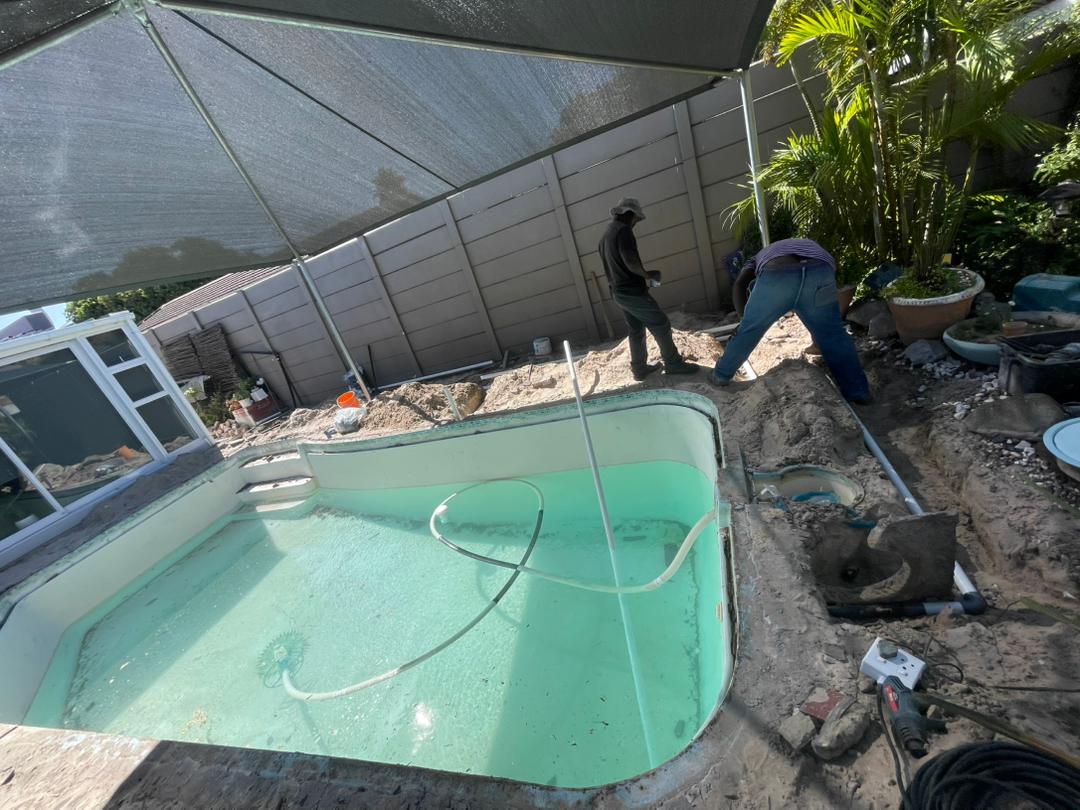
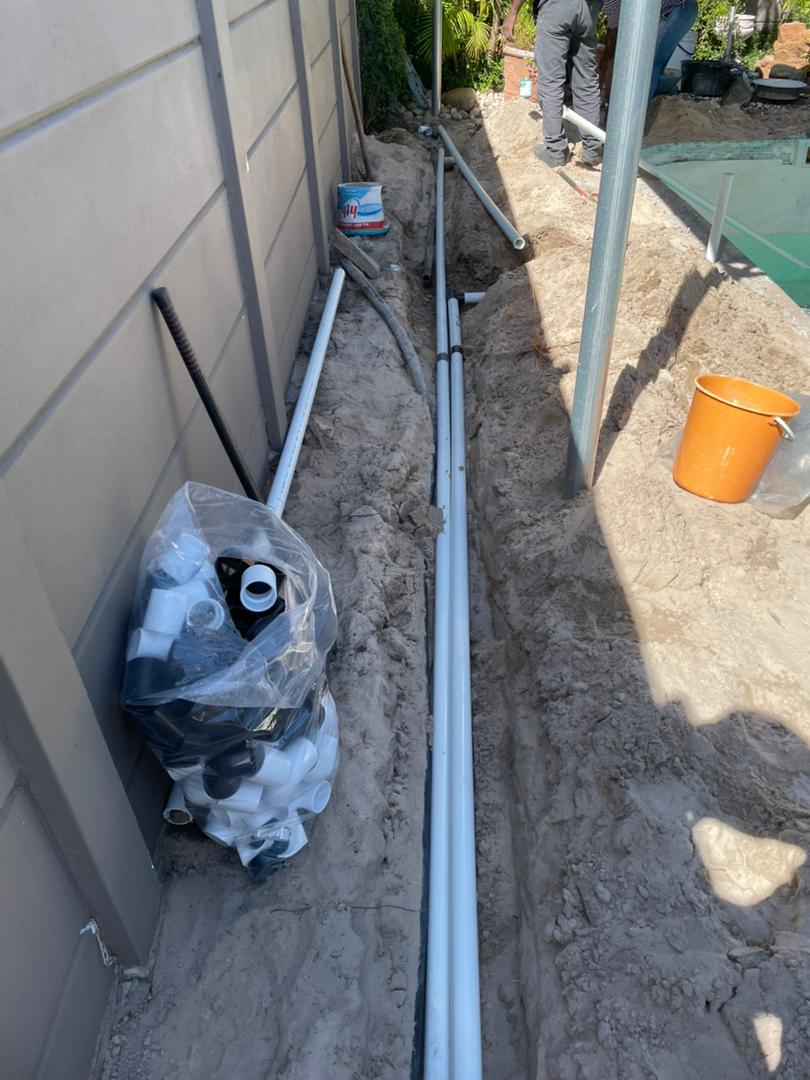
Recently, the team at GIBBS POOLS completed a fiberglass pool resurfacing project in Brackenfell where the pool had widespread bubbling across the walls and floor. The surface had started breaking down, with multiple blisters forming due to underlying moisture and structural separation.
After a full inspection, we drained the pool safely, removed and ground out all damaged areas, allowed the shell to dry properly, and rebuilt the surface using a high-quality fiberglass lining system. The final result was a completely restored pool — smooth, watertight, and visually like new. This project clearly shows that proper resurfacing is the only long-term solution for bubbling fiberglass pools.
Why Do Fiberglass Pools Get Bubbles?
Bubbles in fiberglass pools are usually caused by underlying structural or chemical issues beneath the surface:
1. Osmosis Blisters
Water penetrates the gelcoat and reacts with materials beneath it, forming small fluid-filled bubbles. These are common in pools older than 10 years.
2. Delamination
The fiberglass layers separate from the pool shell, creating larger, flatter bubbles — often due to poor installation or ground movement.
3. Manufacturing Air Pockets
Air trapped during production can remain hidden for years before appearing as surface bubbles.
If left untreated, these bubbles will burst, leaving rough craters that can lead to leaks and algae growth.
How We Resurface a Fiberglass Pool Properly
Fixing a bubbling pool requires a proper step-by-step process:
1. Drain & Inspect
The pool is drained under controlled conditions to avoid structural damage from groundwater pressure.
2. Pop & Grind All Blisters
All damaged areas are opened and ground back to solid fiberglass. Severe cases can involve hundreds of blisters.
3. Dry the Pool Shell
The shell is left to dry completely to remove trapped moisture — a critical step to prevent future bubbling.
4. Repair & Smooth the Surface
Damaged sections are filled and reinforced, and the entire surface is leveled and smoothed.
5. Apply New Barrier & Finish
Depending on the condition, different resurfacing methods are used:
- Re-gelcoat (8–12 years)
- Epoxy/Polyurethane coating (5–8 years)
- Re-fiberglassing (15–20+ years, best for severe damage)
6. Refill & Balance
The pool is refilled immediately and chemical balancing begins to protect the new surface.
Important Considerations for Cape Town Pools
In areas like Durbanville and Brackenfell:
- DIY repairs are risky and often fail
- Groundwater pressure can damage empty pools
- Poor installation can cause recurring issues
- Proper drainage and relief systems are essential
At GIBBS POOLS, we don’t do temporary fixes. Our resurfacing and fiberlining services are designed to fully restore your pool by rebuilding the surface with durable fiberglass.
The result is a long-lasting, smooth, and waterproof finish — without bubbles coming back.
Get Expert Help Today
If your fiberglass pool is bubbling or deteriorating, don’t wait for it to get worse.
📧 info@gibbspools.co.za
📞 069 955 1310 (Call / WhatsApp)
🌐 http://www.gibbspools.co.za