Choosing Between a Pebble vs Fibreglass Pool Finish
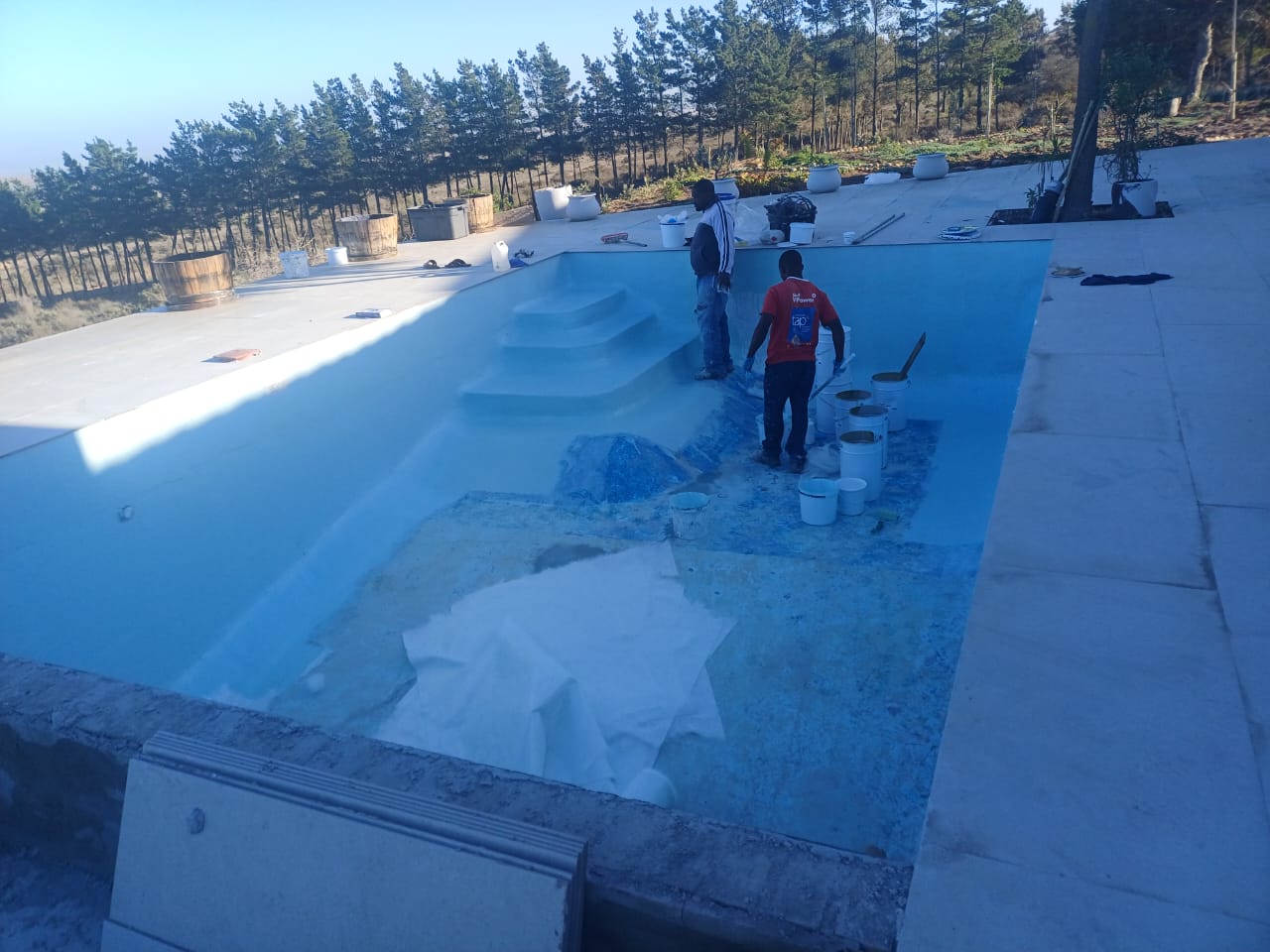
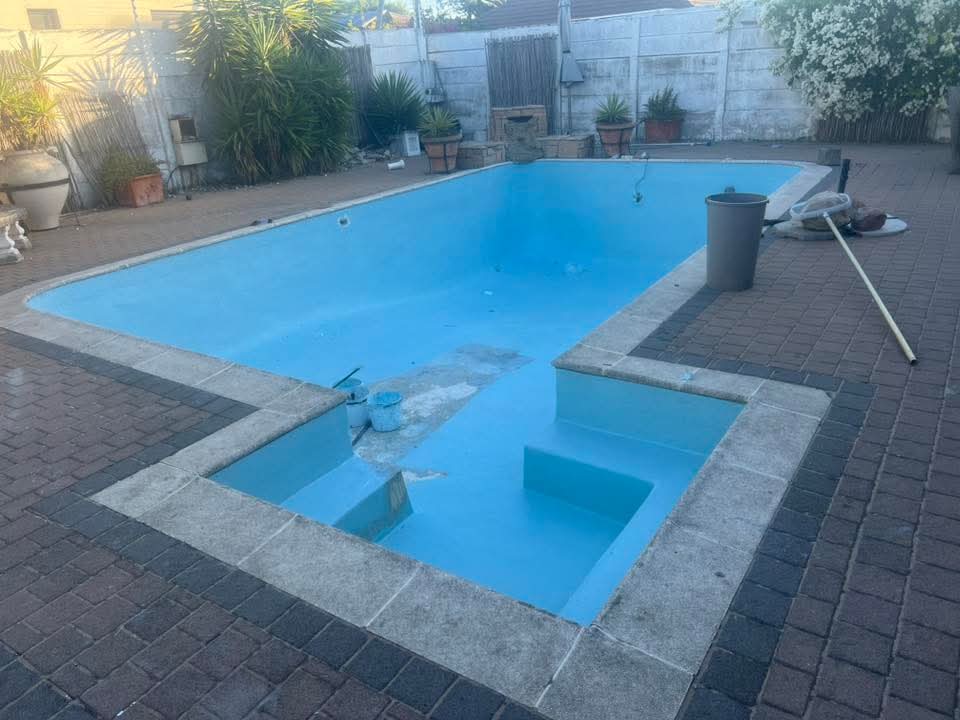
Deciding on a pebble vs fibreglass pool finish is one of the biggest choices you will make when resurfacing a Cape Town pool, because the surface shapes how the pool looks, feels underfoot, and how much upkeep it demands for years to come. Both are a big step up from tired marbelite or flaking paint, but they behave very differently once they are in the water and living through our coastal summers and wet winters.
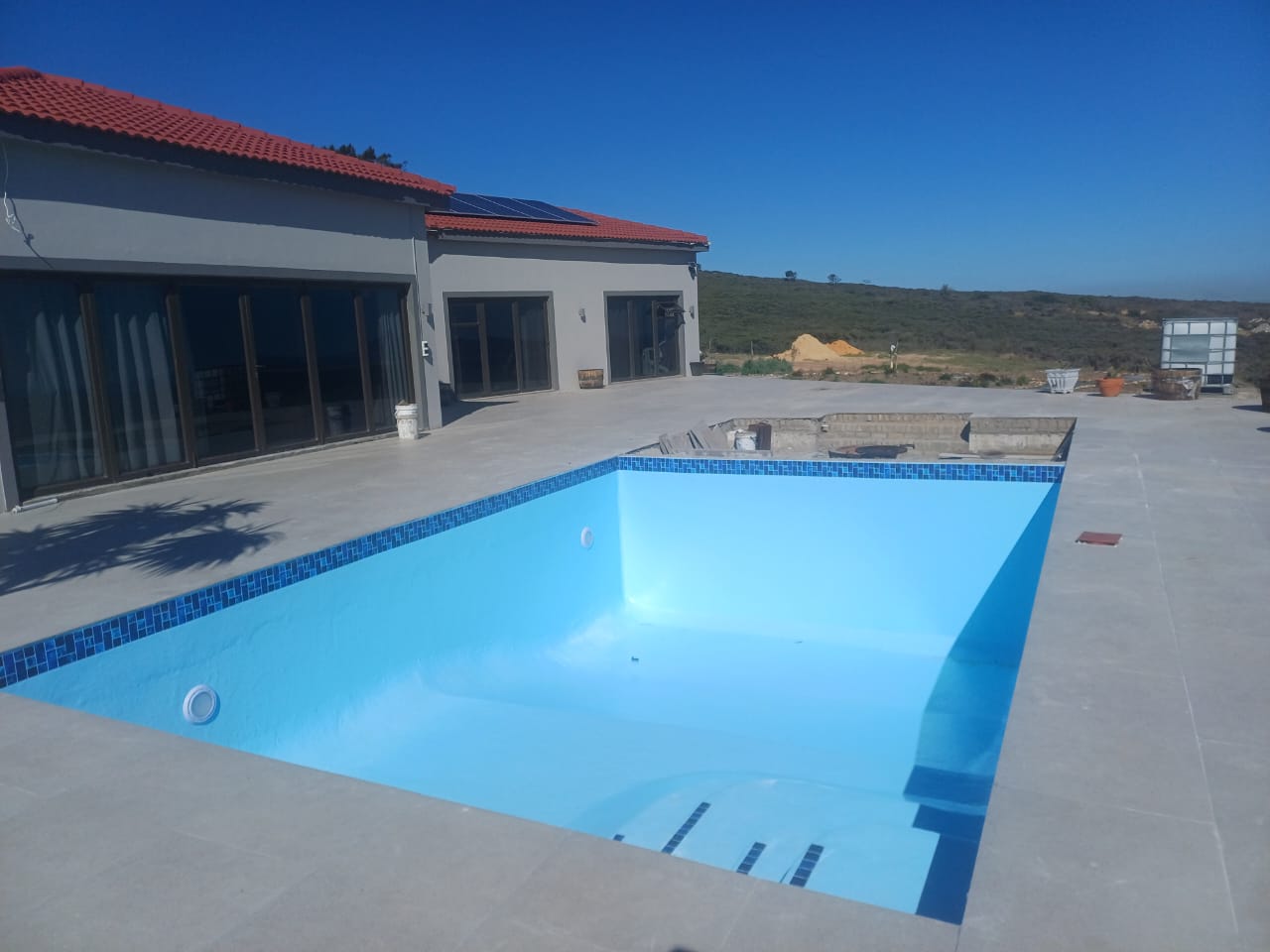
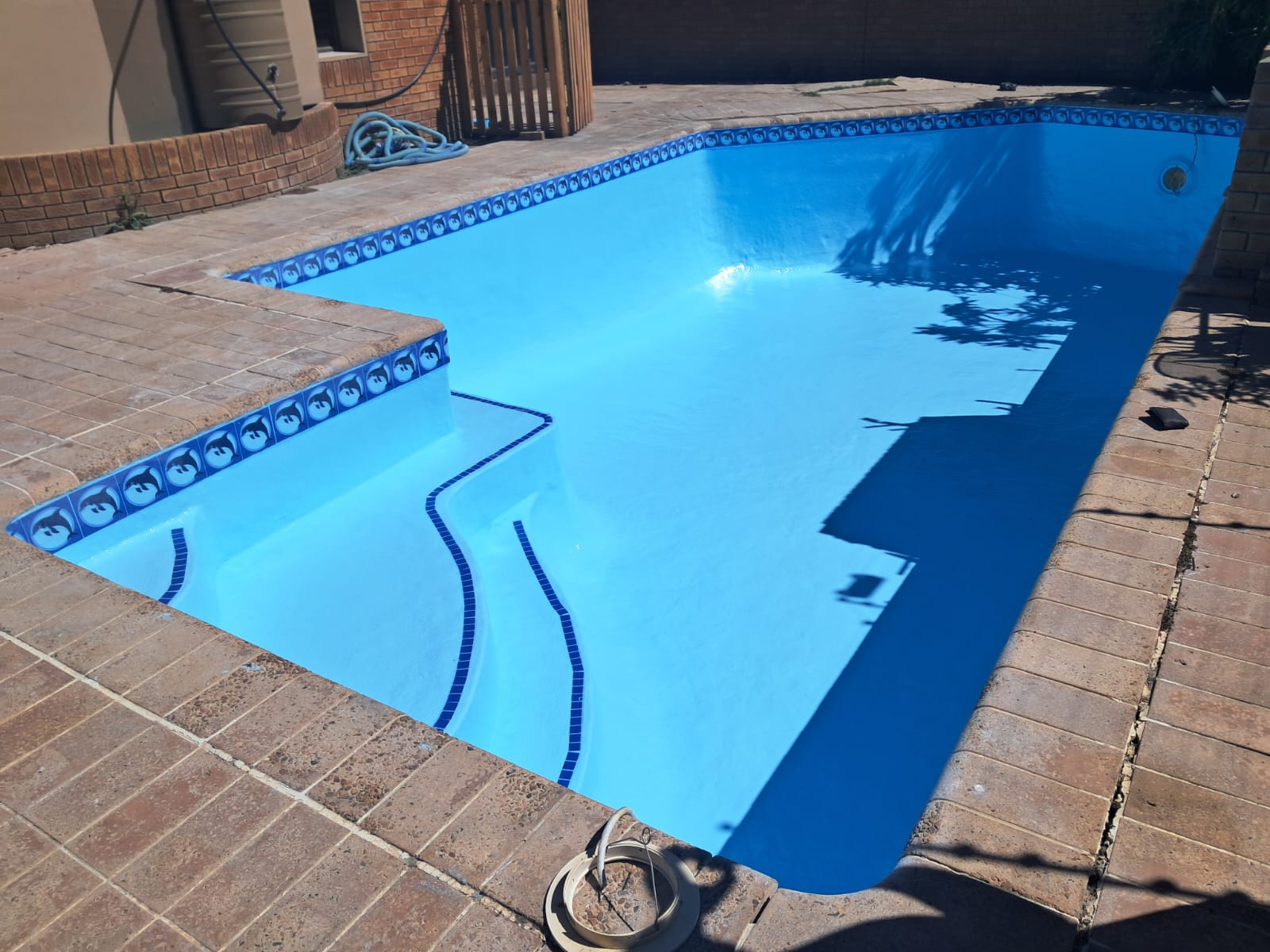
Pebble finishes give a textured, natural, high-end look using exposed stone aggregate, while fibreglass gives a smooth, sealed, low-maintenance shell in a range of solid colours. Neither is simply better than the other — the right answer depends on your budget, the feel you want, and how much maintenance you are willing to take on. This guide breaks down the real differences so you can choose with confidence.
Key Takeaways
- A pebble vs fibreglass pool finish decision comes down to feel, cost, and upkeep.
- Fibreglass is smoother, easier to clean, and usually quicker to install.
- Pebble is tougher underfoot and hides debris, but the texture can feel rough.
- Fibreglass resists algae and staining better thanks to its non-porous surface.
- Both can last well over 15 years when installed and maintained properly.
The Head-to-Head Comparison
The clearest way to weigh a pebble vs fibreglass pool finish is side by side. The table below sets out how the two surfaces stack up on the factors that matter most to Cape Town pool owners, from the way they feel to how they cope with our climate and what they cost to install.
| Criteria | Pebble finish | Fibreglass finish |
|---|---|---|
| Feel underfoot | Textured, grippy, can feel rough | Smooth and comfortable |
| Look | Natural, mottled, premium | Uniform solid colours |
| Durability | Very hard-wearing | Strong, flexible, crack-resistant |
| Maintenance | Higher — texture holds debris | Lower — non-porous and easy to clean |
| Algae resistance | Good | Excellent |
| Typical install time | Longer | Shorter |
| Relative cost | Often higher | Competitive, strong value |
Durability and Lifespan
Both finishes are built to last, but they wear in different ways. Pebble is extremely hard and shrugs off scuffs, though its texture can trap dirt and, over many years, individual stones can work loose. Fibreglass flexes slightly with the shell, which helps it resist the hairline cracking that rigid finishes can suffer, and its sealed surface stays watertight. In practice a quality version of either will serve a Cape Town family for well over 15 years, as we explain in our guide to how long a fibreglass reline lasts.
Which copes better with coastal conditions?
Near the sea, the smooth, non-porous nature of fibreglass gives it a slight edge, because there is less texture for salt residue and wind-blown grit to lodge in, and it rinses clean more easily. Pebble still performs well at the coast, but it rewards more diligent brushing to keep the texture clear.
Cost and Value
Price often tips the decision, and here fibreglass tends to offer strong value for money. Pebble finishes usually carry a higher installed cost because of the materials and the labour-intensive application, while fibreglass is competitive and typically faster to install, which keeps labour down. For a full breakdown by pool size it is worth reading our pool relining cost breakdown and comparing it against our marbelite versus fibreglass resurfacing costs to see where each option lands for your budget.
Which Finish Should You Choose?
If you want the lowest maintenance, a smooth feel, and excellent algae resistance at a competitive price, fibreglass is usually the better fit for a Cape Town home. If you love a natural, textured, high-end aesthetic and do not mind a little extra brushing, a pebble finish can be a beautiful choice. The materials themselves are well documented — pebble builds on traditional aggregate composite techniques, while fibreglass relies on a bonded resin skin. When you are ready to decide for your specific pool, you can book a surface assessment and we will recommend the finish that genuinely suits how you use your pool.
Frequently Asked Questions
Is fibreglass or pebble easier to keep clean?
Fibreglass is generally easier to keep clean because its surface is smooth and non-porous, so dirt and algae have little to cling to and a quick brush usually does the job. Pebble’s texture looks great but tends to hold debris, which means more regular and more thorough brushing to keep it looking its best.
Does pebble feel too rough for bare feet?
It depends on the grade of stone used. Finer pebble finishes are comfortable for most people, while coarser ones give more grip but can feel rough, especially for young children. If a soft, smooth feel underfoot is a priority for your family, fibreglass is the more comfortable option.
Can I switch from pebble to fibreglass later?
Yes. A pool that currently has a pebble or marbelite surface can be relined with fibreglass once the old finish is properly prepared and any cracks are repaired. Many Cape Town owners make exactly this switch to cut down on maintenance, and it is one of the most common relines we carry out.