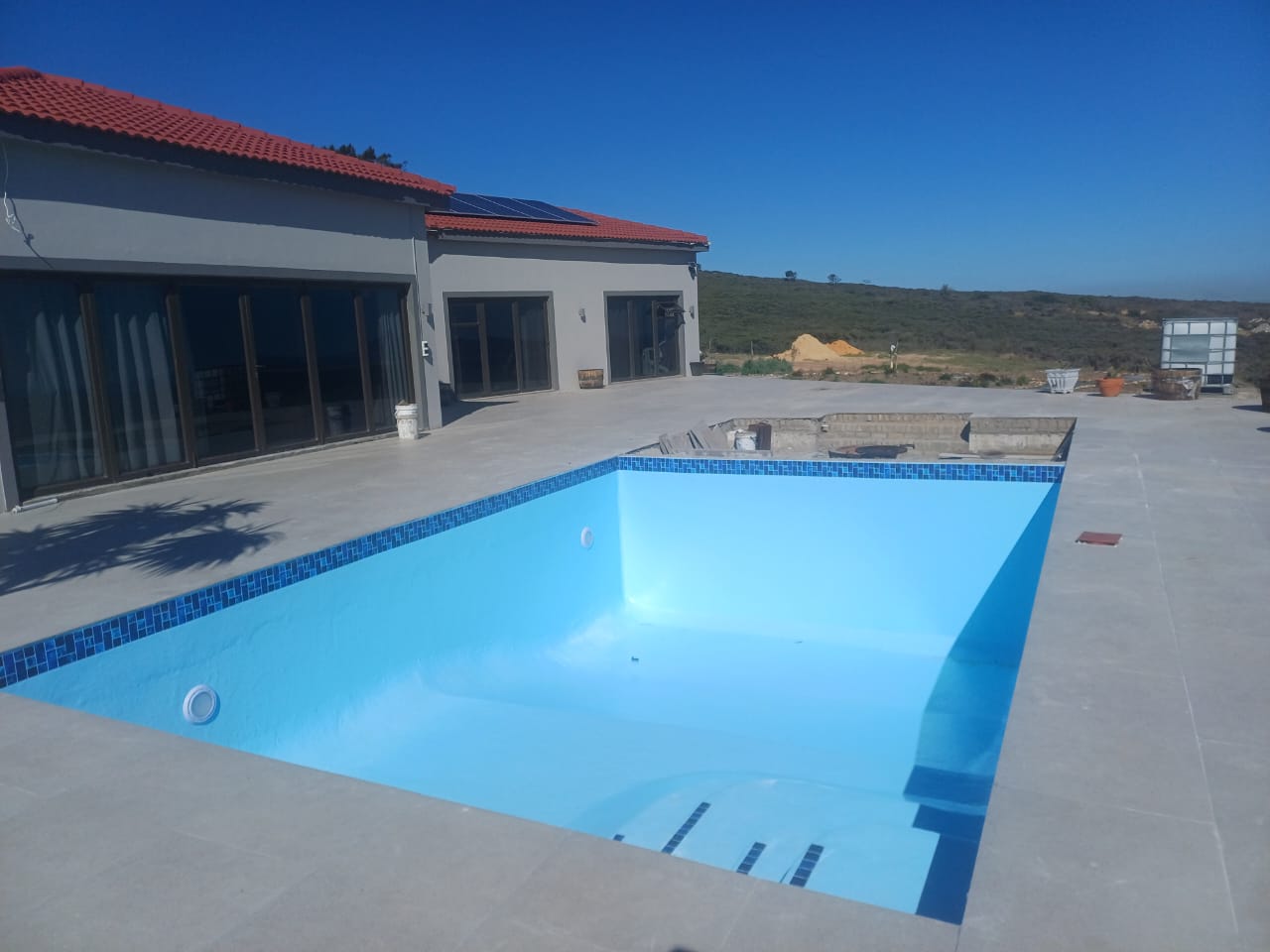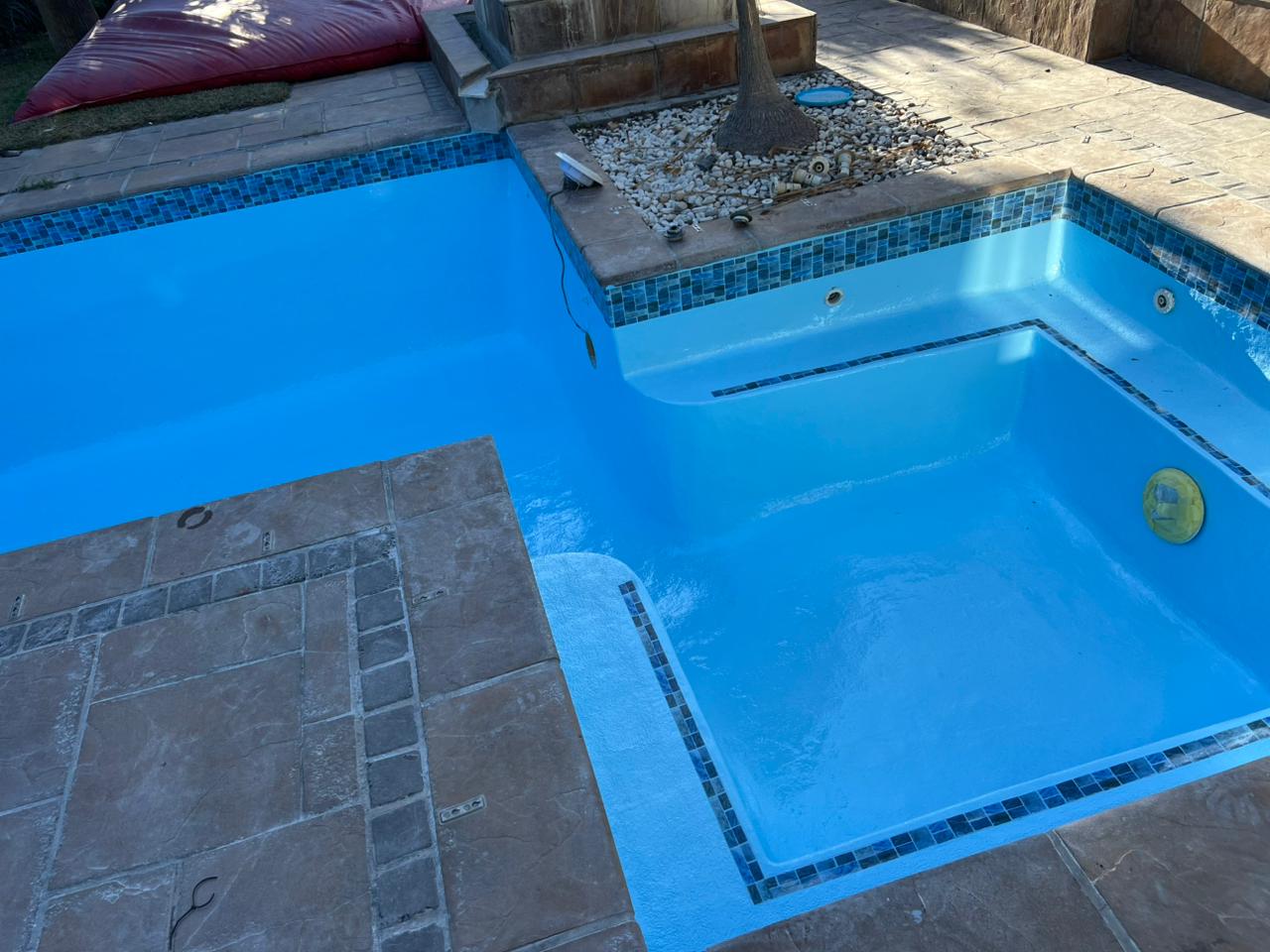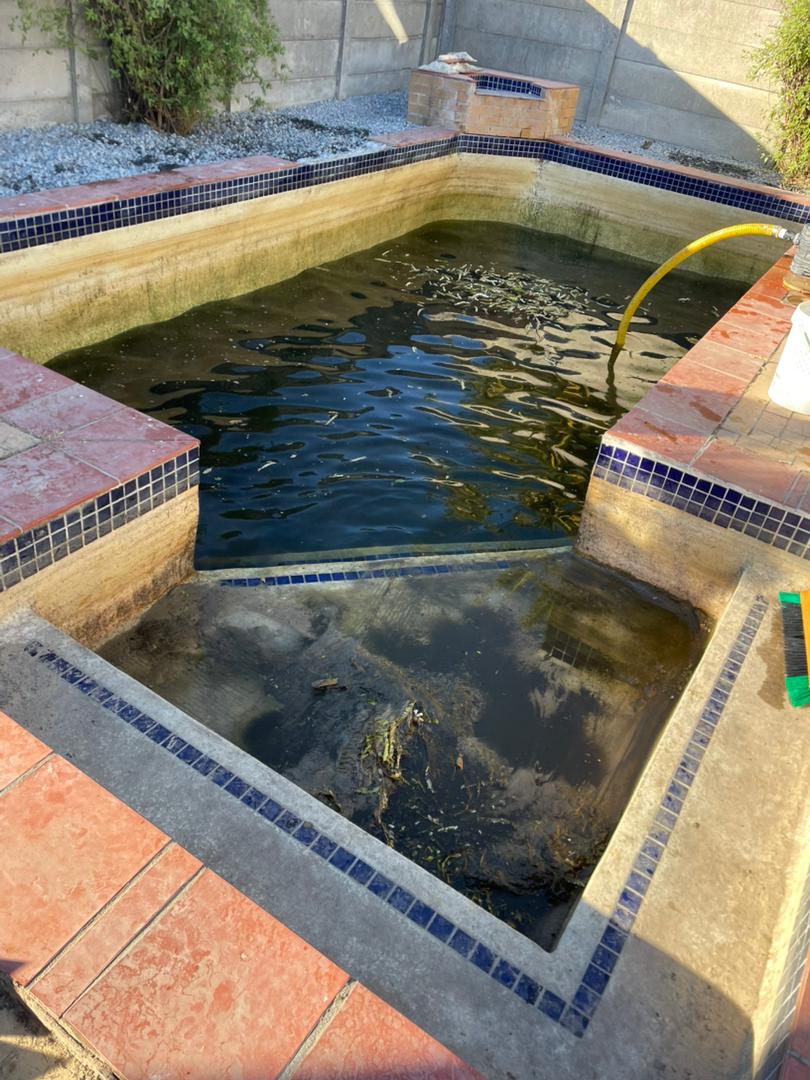
We fix pools for a living, so this might sound like an odd confession: a large share of the repair bills we invoice were avoidable. Not all — surfaces age, equipment wears, ground moves — but the seized pumps, green-swamp recoveries and stain-ruined linings that fill our winter diary mostly trace back to the same root cause: nobody was looking at the pool weekly. Here is the honest maths of weekly pool servicing, from the people who profit when it does not happen.
What a missed week actually costs
Pool faults compound quietly. The table below is drawn from real call-out patterns we see across Cape Town — the same fault, caught at different stages:
| Fault | Caught weekly | Caught months later |
|---|---|---|
| Pump basket packed with leaves | Emptied in 30 seconds | Pump runs starved, overheats, seal fails — motor repair or replacement |
| Chlorine drifting low | One corrective dose | Green pool, algae rooted in surface, recovery clean plus possible stain damage |
| Small pH drift | Cup of acid | Scale on surfaces and elements, cloudy water, shortened surface life |
| Slow water loss | Spotted in top-up pattern, leak found early | Eroded backfill, subsiding paving, structural repair conversation |
The three killers weekly servicing prevents
1. The starved pump
A pool pump is a simple, honest machine that dies one way above all others: running without enough water. Packed baskets, low water levels and air leaks all starve it; heat does the rest. Weekly basket-emptying and a water-level glance prevent the majority of the pump repairs we perform. It is a thirty-second task standing between you and the most common four-figure bill in pool ownership.
2. The rooted algae
Algae floats before it roots. In its floating week it dies to one chlorine correction; once rooted in a porous surface — and Cape Town’s older marbelite pools are exactly that — it becomes a recurring tenant that no weekend shock treatment truly evicts. Chronic algae is also the classic sign of a surface reaching the end of its life; our relining page explains when that conversation becomes worthwhile.
3. The invisible leak
Nobody notices a two-millimetre-a-day leak by looking at the water. People notice it in the top-up pattern — but only if someone tops up weekly and pays attention. Leaks found early are fitting and pipe repairs; leaks found late have been eroding backfill and undermining paving for months. The difference in bills is not small, and finding them is exactly what professional leak detection does with pressure and dye testing once your top-up pattern raises the flag.
DIY weekly service, or pay for one?
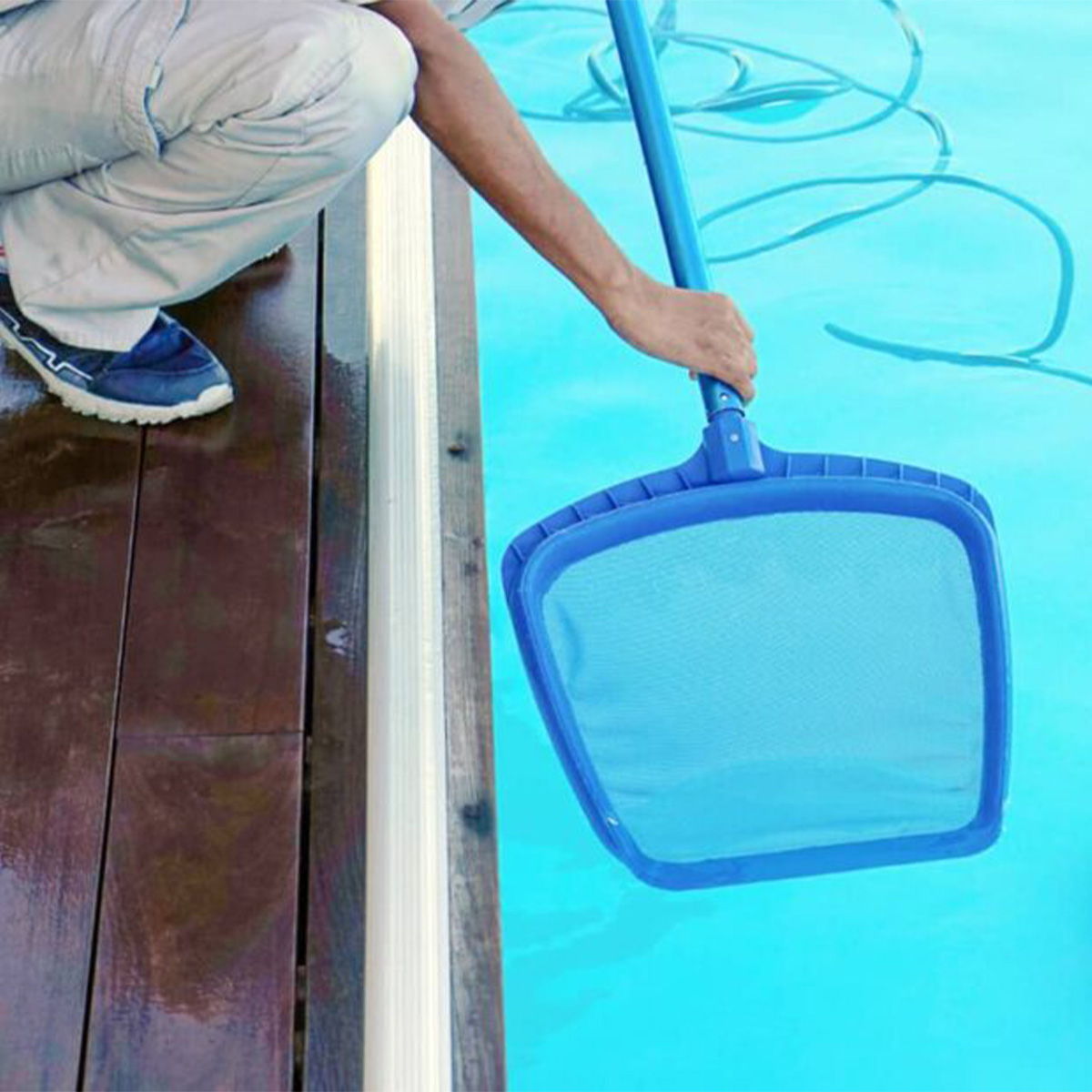
Either genuinely works — what matters is that it happens. The DIY version is fifteen focused minutes: skim, empty baskets, brush, test, correct, glance at the equipment. A paid weekly service earns its fee when travel, time or attention make DIY unreliable, or when the pool has a history that wants trained eyes on it. What does not work is the middle path — meaning well and checking the pool every three or four weeks. At that frequency you are not maintaining; you are just discovering problems slightly sooner than your December guests would.
The honest close
Weekly servicing will not make your pool immortal. Surfaces still age, pumps still wear out, and ground still moves — that is the work we will always be here for. But it reliably converts big bills into small ones and emergencies into scheduled repairs. If your pool has already crossed into repair territory — recurring algae, rising top-ups, a noisy pump — book a free pool assessment and we will map exactly where it stands, in writing, with prices. The full repair menu lives on our Cape Town pool repairs hub.
Our pool cleaning services in Cape Town handle exactly this weekly routine for you, chemicals included.
Frequently asked questions
How much does a green-pool recovery cost versus prevention?
Recovery involves days of chemical work, filter strain and sometimes acid-washing or surface treatment — always multiples of the chemicals a weekly correction would have used.
Can a pool go a week without any attention?
A healthy pool with sound equipment, yes — that is the definition of a weekly routine. Two to three weeks is where Cape Town pools start losing the algae war, especially in summer wind.
Is a weekly service worth it for a holiday home?
More than anywhere else — an unwatched pool is where small faults grow fastest. If weekly is impractical, even fortnightly with a good pool cover changes the odds dramatically.
What should I check first if I have skipped a month?
Baskets, water level, then chemistry — in that order. Protect the pump first; the water can be corrected afterwards.