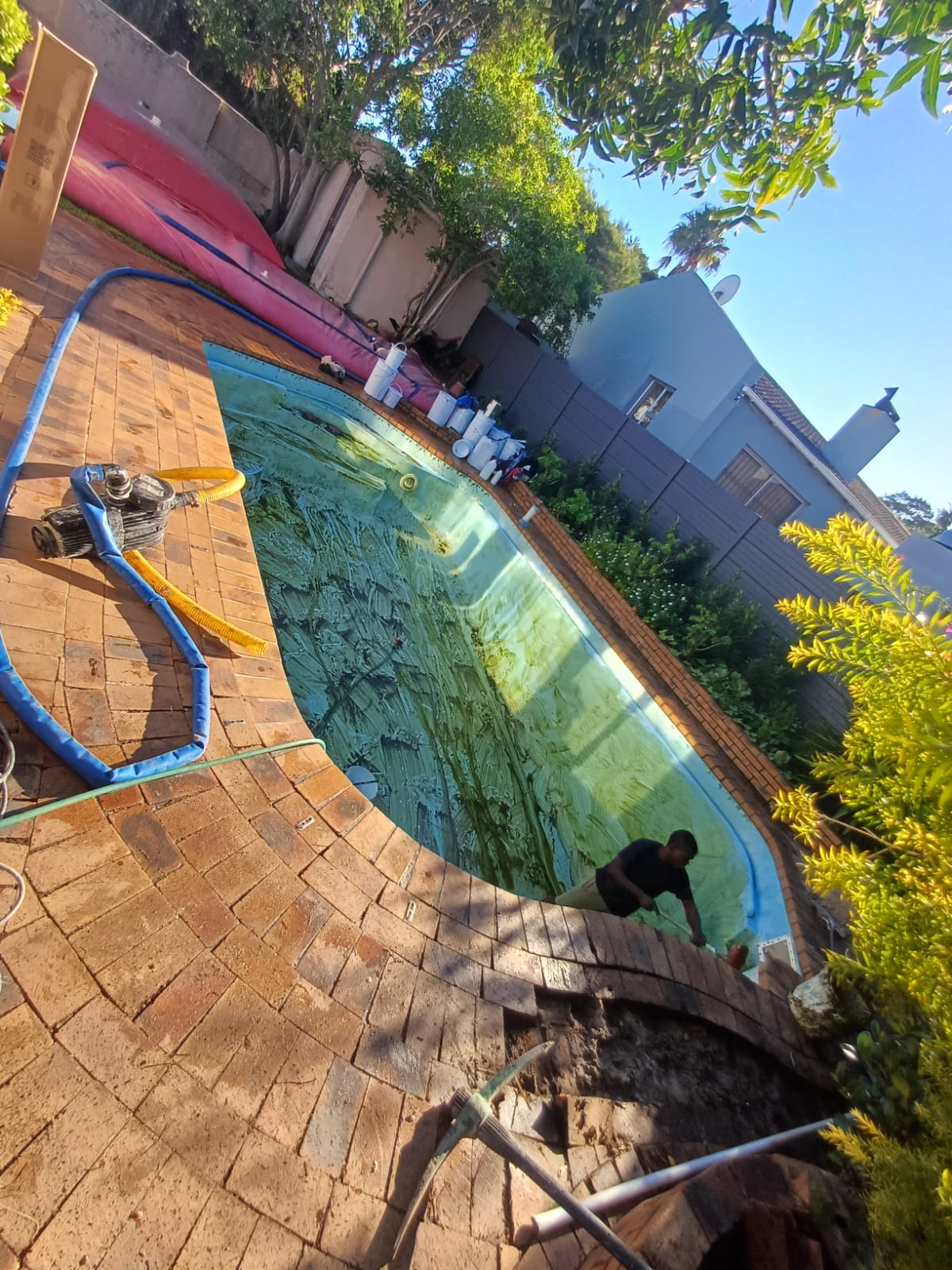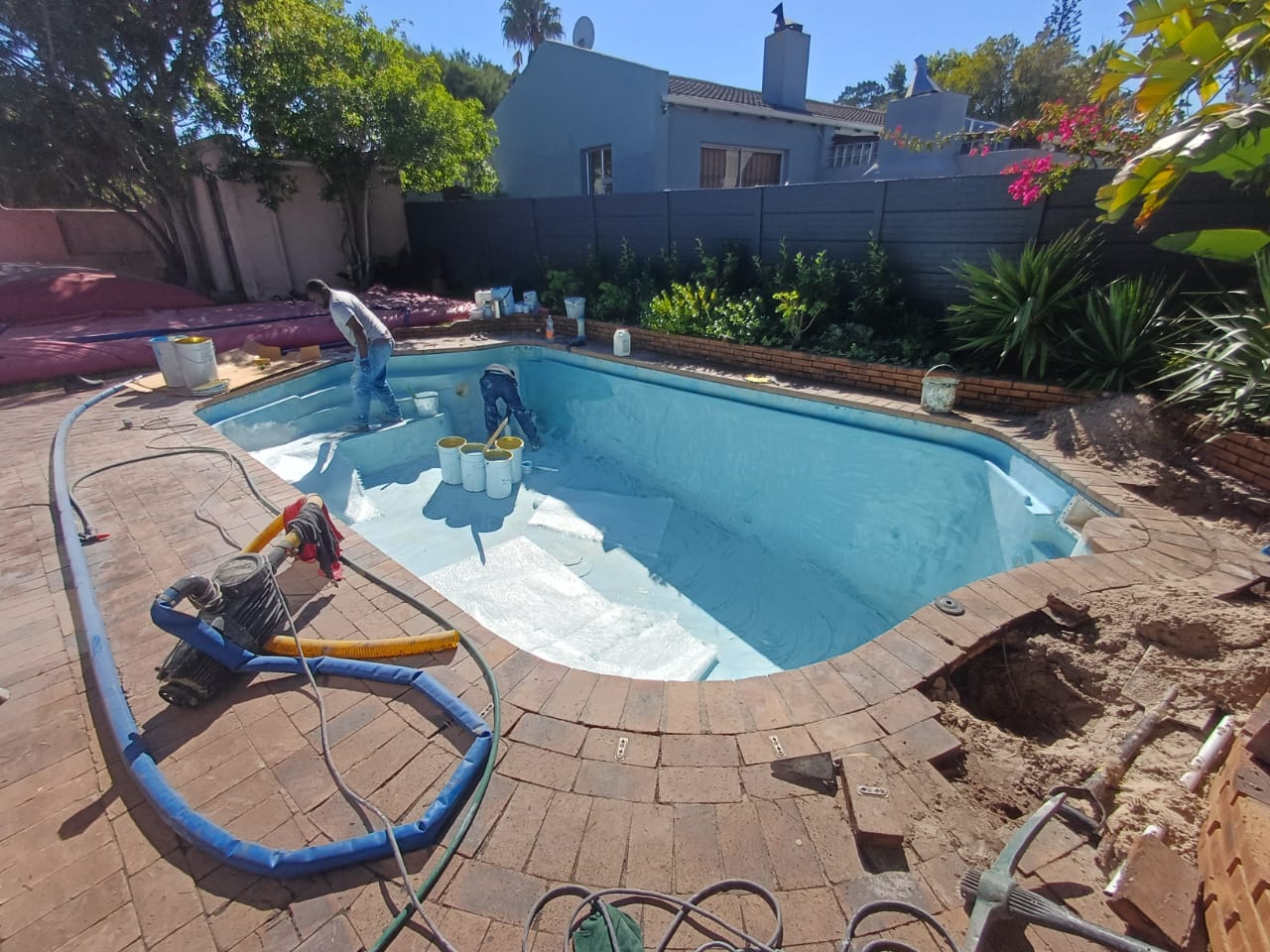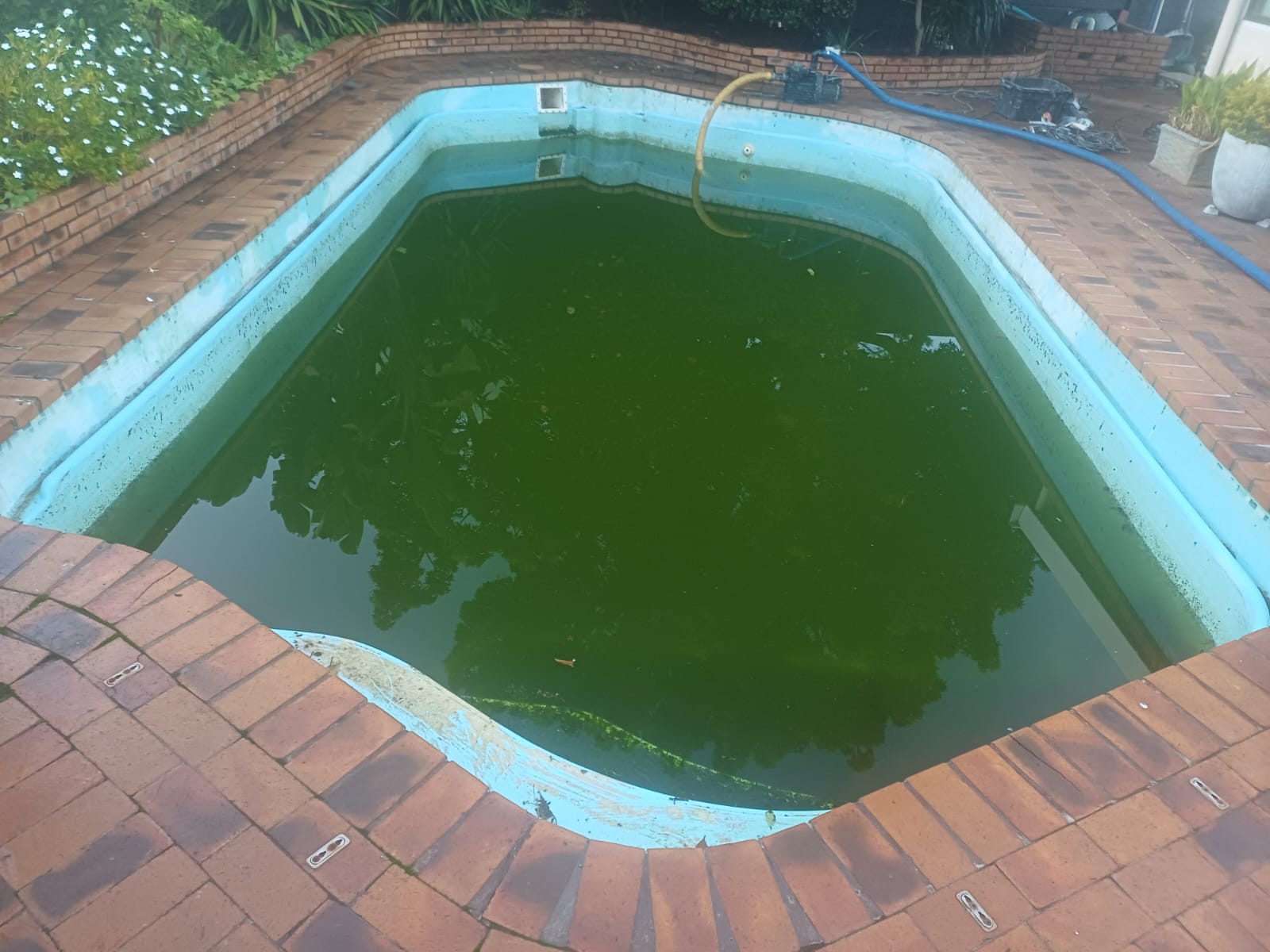
Filter sand is the most forgotten component in the entire pool system. It lives sealed inside a tank, does its work invisibly, and gets blamed for nothing — right up until the pool starts losing the clarity war and no amount of chemicals fixes it. Sand does wear out. Knowing the symptoms of an exhausted bed, and what shortens its life, keeps you from spending a summer treating water problems that are actually filtration problems.
What sand actually does — and how it stops doing it
Inside the tank, water percolates down through roughly forty centimetres of specially graded silica, which traps particles in the microscopic gaps between grains. Years of work change the sand physically: grains that started sharp and angular wear smooth and round, so the gaps stop gripping; body oils, sunscreen and organic matter coat grains into greasy clumps; and calcium from hard or poorly balanced water cements sections of the bed solid. The result is channelling — water carves permanent express lanes through the bed and returns to the pool barely filtered, while the pressure gauge often reads deceptively normal.
The symptoms of a bed at end of life
- The pool will not polish. Chemistry tests fine, the pump runs its hours, and the water still hangs at dull — the classic channelled-bed signature.
- Pressure rebounds within days of backwashing — the bed is so loaded or greasy that a backwash barely resets it.
- Backwash water never really runs dirty even when the pool is visibly hazy — water is bypassing the dirt through channels.
- Recurring algae despite decent chlorine — unfiltered particles shelter and feed it.
- Sand returning to the pool floor — strictly speaking a cracked lateral rather than old sand, but the two are found together so often that any sand-in-pool situation deserves the tank opened.
How long sand should last in Cape Town
The honest range is five to eight years — but conditions move it a lot:
| Situation | Effect on sand life |
|---|---|
| Leafy garden (southern suburbs, Tokai/Constantia belt) | Shorter — heavy organic load greases the bed early |
| Windy coastal strip (Blouberg to Melkbosstrand) | Shorter — fine dust load and constant debris |
| Green-pool recoveries (even one bad swamp) | Meaningfully shorter — algae recovery is brutal on a bed |
| Covered pool, disciplined chemistry, pressure-led backwashing | Longer — eight years is realistic |
What a rebed involves (and what it exposes)
Replacing sand is straightforward but physical: drain the tank, dig out the old bed by hand, inspect everything the sand has been hiding — then refill with correctly graded filter silica, cushioning the laterals during the pour. That inspection is half the job’s value. The laterals (the slotted fingers that collect filtered water at the tank base) become brittle with age, and a hairline crack in one is the number-one cause of sand blowing back into pools. Opening the tank is the only way to know — and replacing a lateral while the tank is already open costs a fraction of a second call-out later. This whole job sits within our pump and filtration repair service, and we quote it in writing after checking the filter is actually the culprit.
Before you buy sand: rule out the imposters
Not every tired-looking pool needs a rebed. A pump with worn internals moves too little water to filter properly — sand gets blamed for a circulation fault. A suction-side air leak does the same. And a pool that stains and grows algae off a rough, porous surface will keep doing so with factory-fresh sand in the tank — that conversation belongs on our relining page. Persistent unexplained water loss alongside filtration complaints? Check for a leak too — the faults hunt in packs on older systems. A free assessment sorts the actual fault from the imposters before you spend on any of them.
Frequently asked questions
Can I just top up the sand instead of replacing it?
Top up only what backwashing has physically carried away, and only on a young bed. Old, greasy, channelled sand plus new sand equals old problems with better PR.
Is glass media worth it over silica sand?
Glass filters finer and resists channelling, at a higher upfront cost. On a fresh rebed it is worth discussing; on a system with other faults it fixes nothing by itself.
How do I know my baseline pressure after a rebed?
Read the gauge right after the first backwash-and-rinse on the new bed — that number is your clean baseline for the next five-plus years. Tape it to the tank.
Can I run the pool while waiting for a rebed?
Usually yes, with realistic expectations about clarity — but if sand is entering the pool through a cracked lateral, get it done promptly; that sand also scours pump internals on its way through.