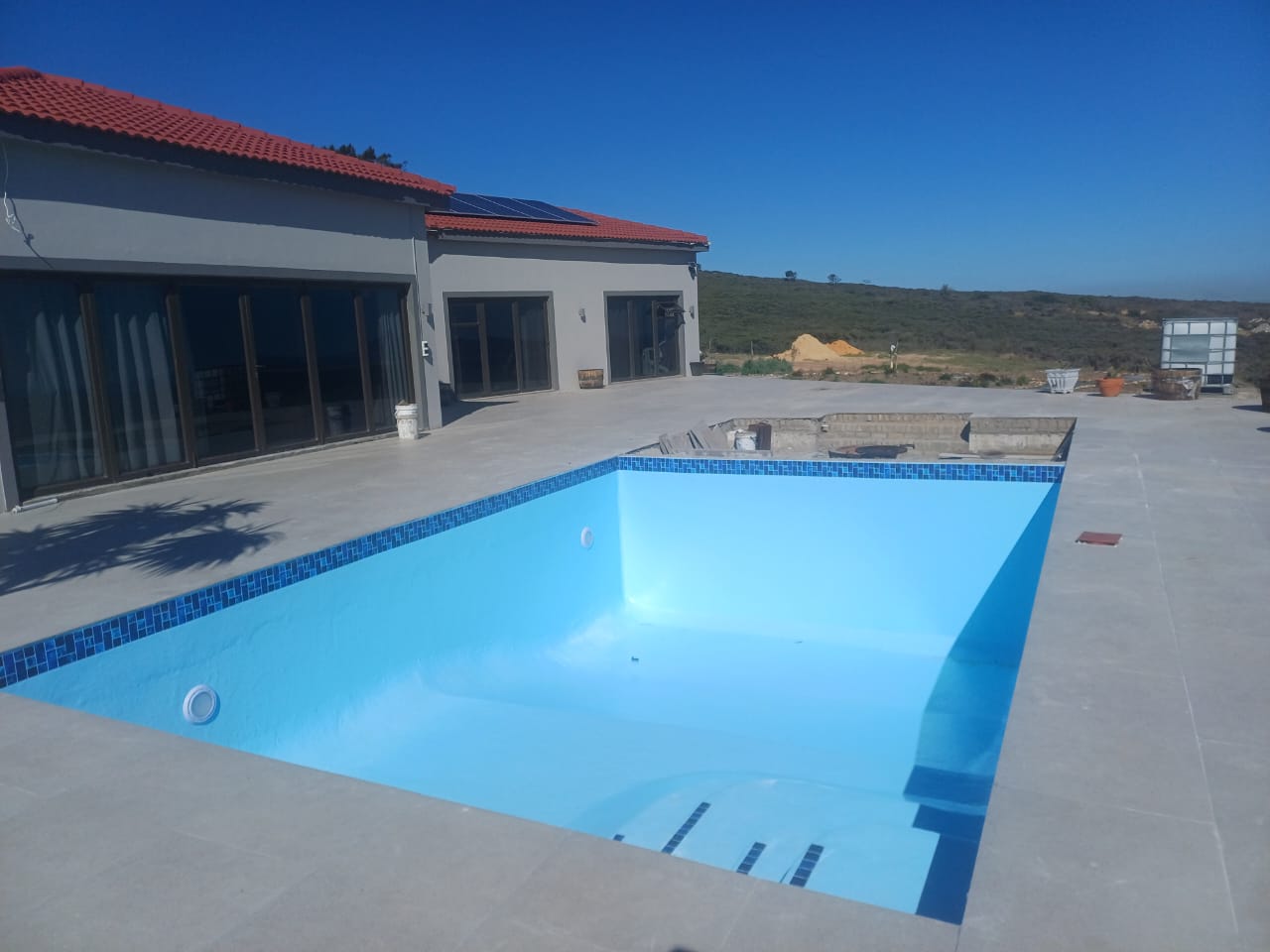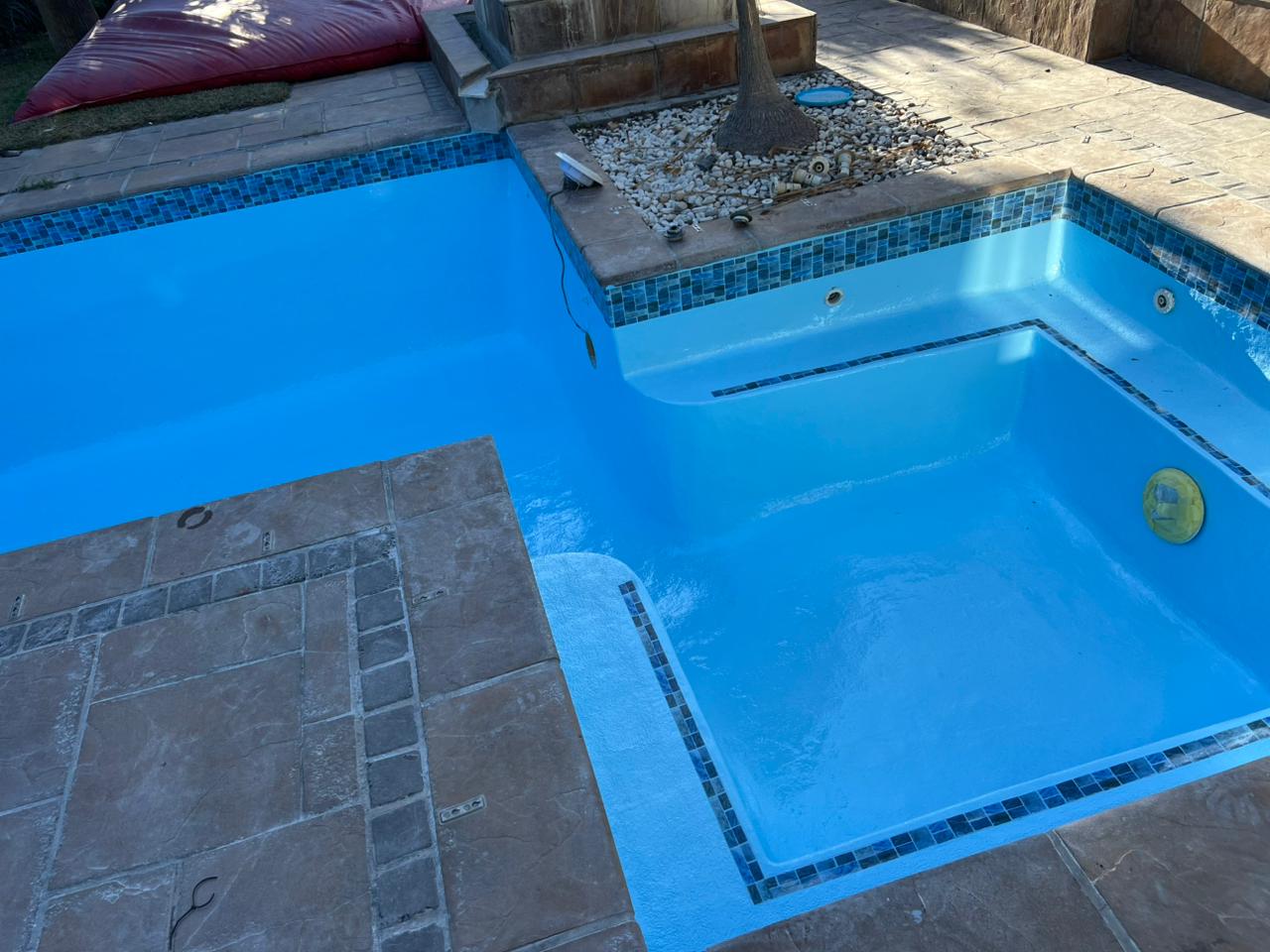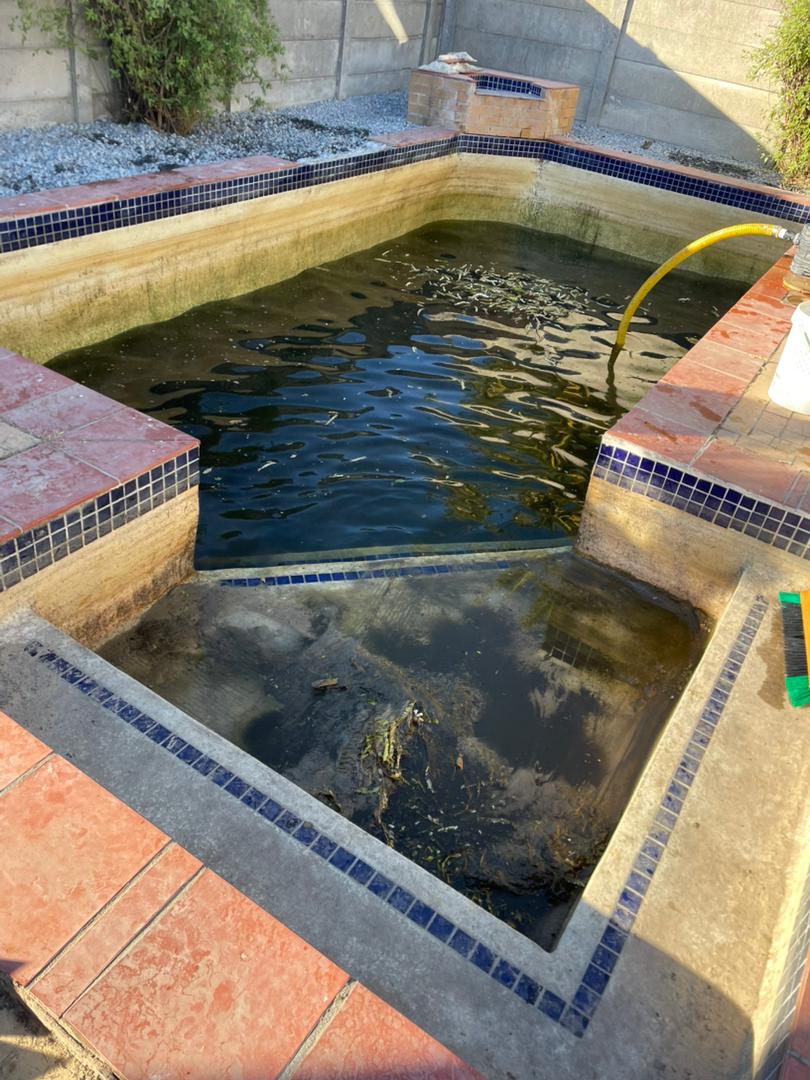
Every October, the same scene repeats across Cape Town: the cover comes off (or the neglect becomes undeniable), the water is somewhere between misty and swamp, and the family wants to swim by the weekend. The good news is that a winter-tired pool comes back faster than it looks — if you work in the right order. Do the steps out of sequence and you will waste chemicals, strain equipment and possibly discover in December what you could have fixed calmly in October. Here is the sequence we recommend, straight from our spring call-out diary.

Step one: look before you dose
Resist the urge to throw chlorine at the problem on day one. First, inspect: water level (a winter of rain should have kept it high — a low level after a wet winter is your first leak clue), surface condition (new stains, rough patches, blisters that were not there in autumn), and the equipment area (rust streaks, perished O-rings, chewed cables — winter is hard on idle machinery). Ten minutes of looking shapes everything that follows.
Step two: the physical clean
Chemicals cannot clarify a pool full of solids. Get the winter out physically first:
- Scoop and net the big debris — do not vacuum leaves through the pump if you can avoid it;
- Brush every surface, waterline to floor — winter algae films come off far easier before shocking than after;
- Empty weir and pump baskets, and clear the pump lid strainer;
- Vacuum to waste if the floor carries heavy sediment — sending a winter’s worth of muck through a tired sand bed just relocates the problem.
Step three: service the filter before asking it to work
Your filter is about to do a month’s work in a week. Backwash and rinse thoroughly, then note the pressure — that clean-baseline number is your reference for the whole season. If the sand has not been changed in five-plus years, or the pressure climbs back within days, or you see sand returning to the pool, the bed or a lateral is due attention before summer, not during it. A filter limping into December is the classic cause of the mid-season green pool.
Step four: chemistry, in the right order
Now the water. Test everything before dosing anything: pH, chlorine, total alkalinity, stabiliser. Correct alkalinity first (80–120 ppm), then pH (7.2–7.6), then shock the pool and run the pump continuously until it clears. A cloudy-but-blue pool usually clears in 24–48 hours of continuous circulation; a green one takes longer and may need a second shock plus flocculant. Retest and rebalance once clear — shock treatments push pH around.
Step five: bring the equipment back to summer duty
Reset the timer to summer hours (8–10 daily), then give the pump ten minutes of honest attention while it runs: listen for bearing noise, watch the shaft seal for weeping, check the DB breaker holds. Winter idleness kills seals and capacitors quietly; catching it now means a scheduled repair instead of a Boxing Day emergency. Our pump repair service exists largely for the pools that skip this step.
What spring reveals: the repair conversations
Spring start-up is when winter’s silent damage surfaces, and three findings deserve professional eyes rather than another season of coping. A pool that lost water over a rainy winter has a leak by definition — proper detection settles it in one visit. A surface that emerged rougher, more stained or blistered has moved a season closer to relining, and quoting it in October beats quoting it in December. And equipment that will not wake up cleanly belongs on the bench now. If any of this sounds like your pool, book a free pool assessment — October and November diaries are kinder than December’s.
Frequently asked questions
How long before the pool is swimmable?
A merely cloudy pool: usually 2–3 days of cleaning, correction and circulation. A green pool: allow a week. A black-green swamp: up to two, and worth professional recovery.
Should I drain a very green pool and start fresh?
Rarely, and never casually — draining stresses older shells and wastes thousands of litres. Most swamps recover chemically. Drain decisions belong with someone who has assessed the shell.
Why did my pool lose water over a rainy winter?
That is the most useful red flag in this article: winter rain should raise the level. A drop means a leak — book detection before summer demand makes it worse.
When should I start summer-prep?
October. It gives you a month’s buffer for anything the start-up reveals — and repair diaries, ours included, fill fast from mid-November.