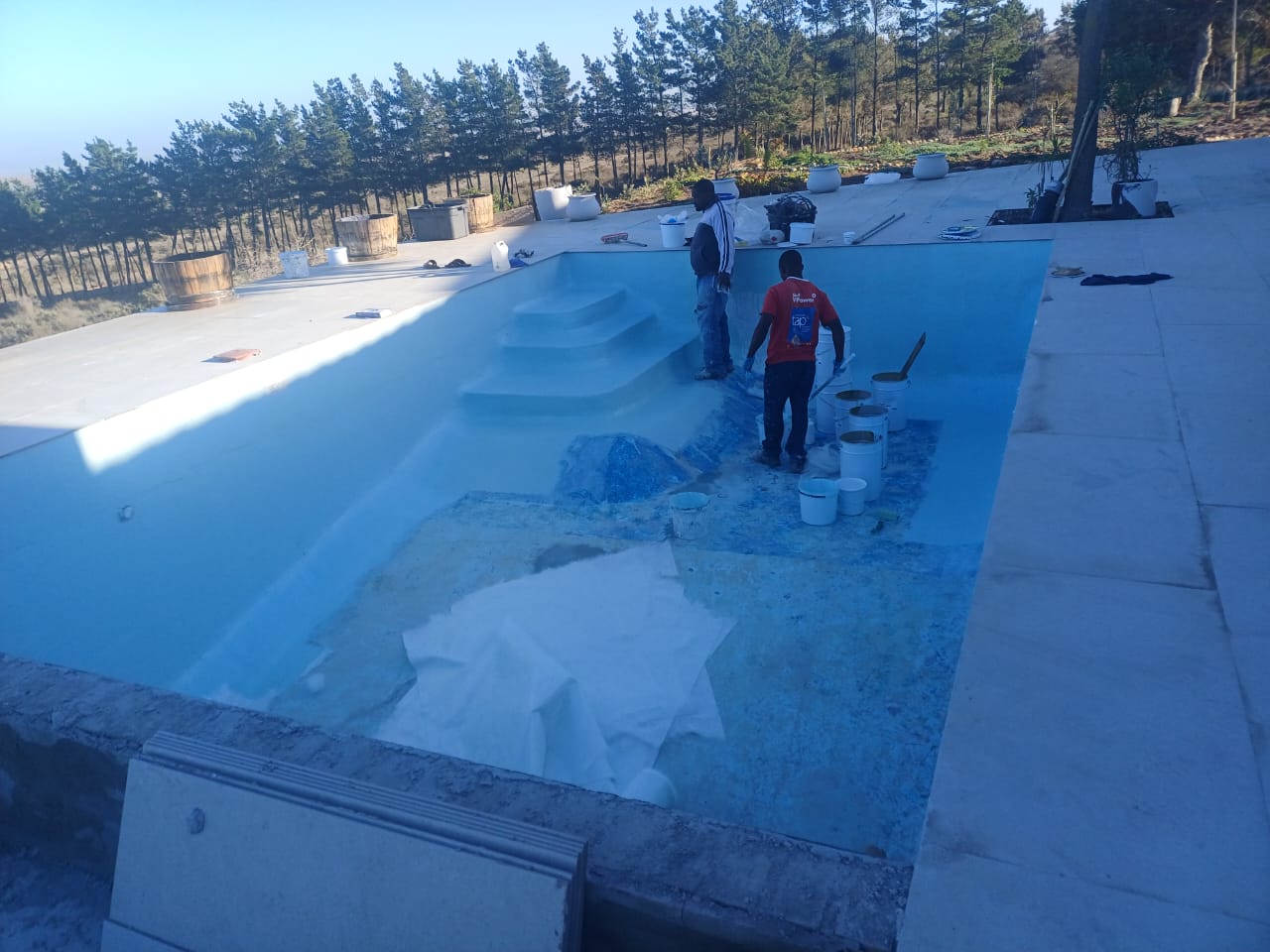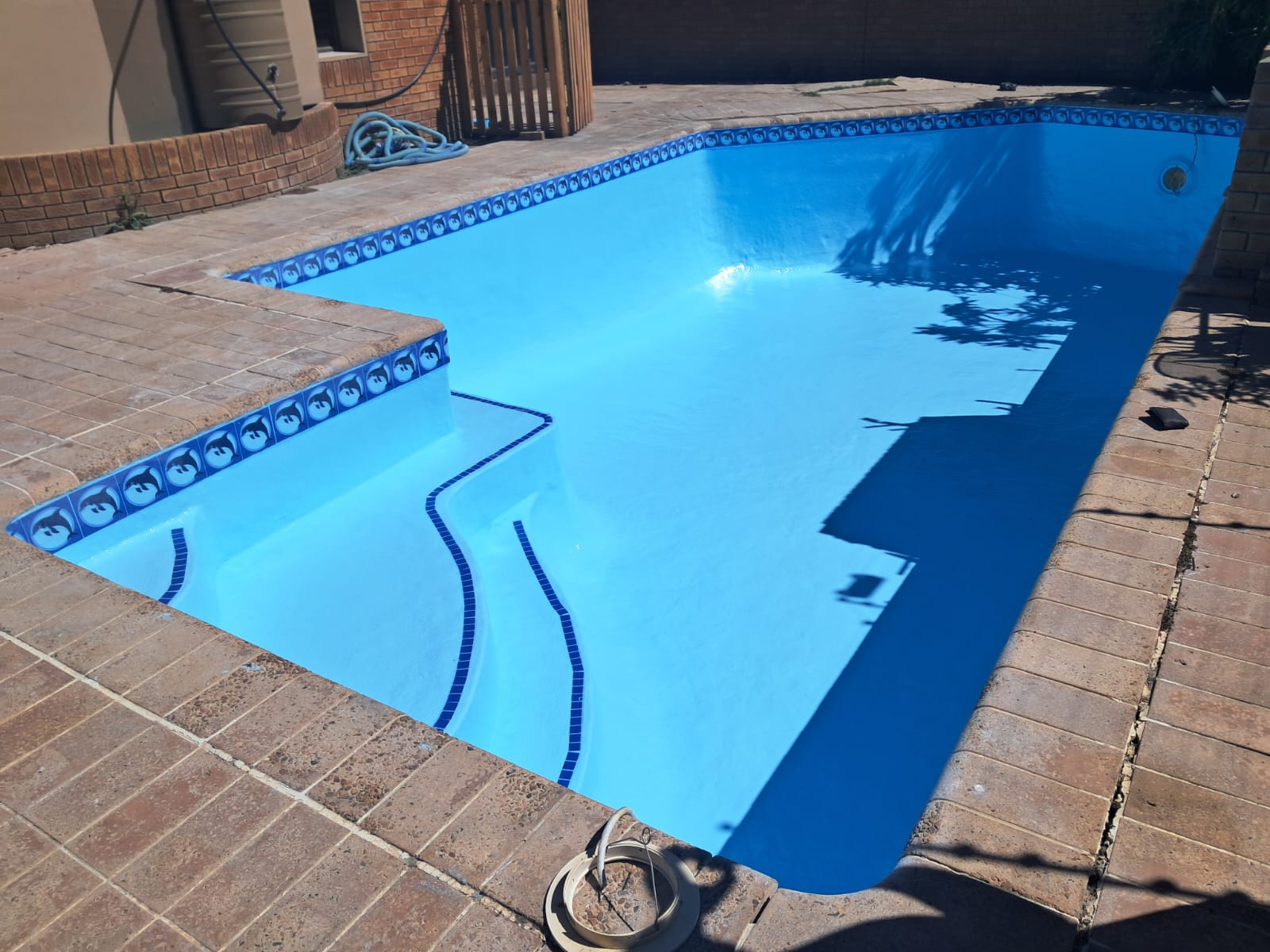
This pool relining Monte Vista job came with history. The pool had been fibreglass-lined years earlier, and the owner was sure that meant it was sorted for life — but the old lining had started to delaminate, blister and leak, with water seeping behind the fibreglass and turning the whole pool green. Fibreglass does not actually last forever; it lasts exactly as long as the preparation underneath it allows. Here is how we stripped the failed lining and rebuilt the pool the way it should have been done the first time.
Key Takeaways
- The pool: a Monte Vista pool fibreglassed years ago, now delaminating, blistering and leaking behind the lining.
- The cause: poor original bonding plus trapped moisture, so water and osmosis lifted the old fibreglass off the shell.
- The fix: strip every bit of failed fibreglass back to the shell, dry and treat it properly, then bond a fresh lining and flowcoat finish.
- The result: no more delamination or water loss, and a surface that should hold up for another 15 to 20 years.
What This Pool Relining Monte Vista Job Revealed
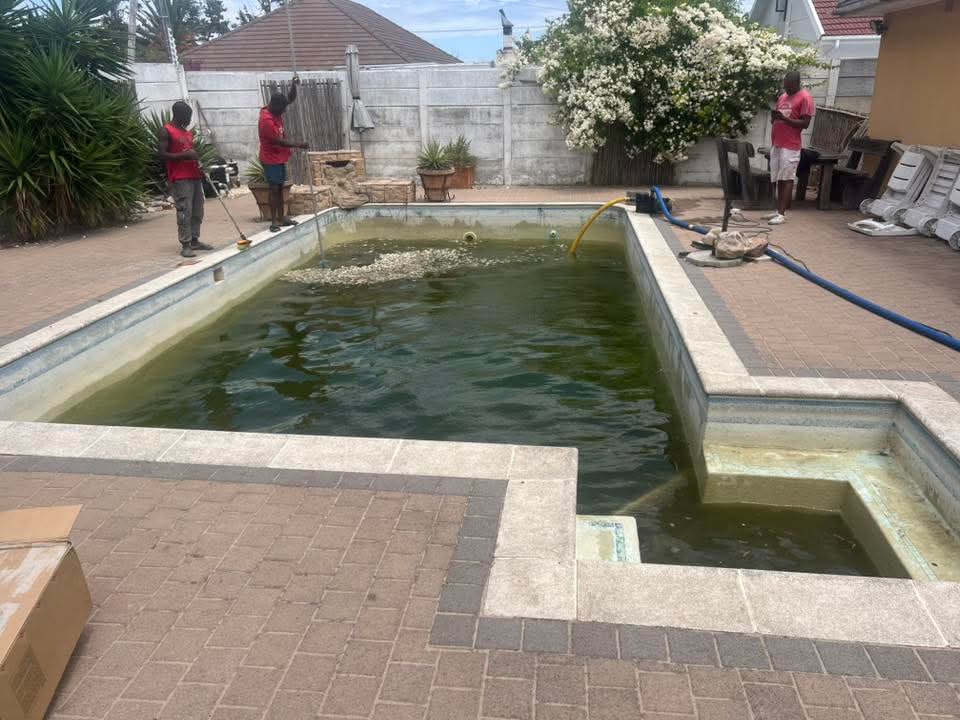
When we drained the pool, the story underneath the water was a familiar one. The previous fibreglass job looked fine on the surface for a while, but it had never bonded properly to the shell, so over a decade of sun, chemicals and pressure it had quietly let go. By the time the owner called us, the lining was blistered, patchy and leaking faster than they could top it up, which is exactly why the water had gone green.
A pool that had been “fibreglassed forever”
The owner’s assumption is one we hear constantly: that a fibreglass lining is a one-and-done job for the life of the pool. In reality the material is excellent, but it is only as good as the surface it is stuck to. A lining applied over a damp, dirty or poorly keyed shell will always fail early, no matter how good the fibreglass itself is, and that is precisely what had happened here.
The tell-tale signs of failure
There were three clear symptoms on this pool that told us the lining was finished rather than simply dirty. Spotting these early can save a lot of money, because a pool caught at the blistering stage is far cheaper to rescue than one that has been leaking behind the lining for years and soaking the shell.
Why Old Fibreglass Linings Fail
Understanding why the previous job failed matters, because it is the difference between fixing the symptom and fixing the cause. A reline that ignores the original mistakes just buys you a few years before the same problems come back. On this pool, three forces had combined to break the old lining down.
The three things that kill a fibreglass lining
Poor original prep and bonding
If the shell is not properly cleaned, dried and keyed before the fibreglass goes on, the lining never truly bonds. It sits on the surface rather than gripping it, and the first time the shell flexes or moisture builds up behind it, the lining starts to lift. This was the root cause on this Monte Vista pool, and no amount of patching would have solved it.
Trapped moisture and osmotic blistering
Once water finds its way behind a lining, osmosis takes over: moisture is drawn through the fibreglass and collects in pockets, forming the tell-tale blisters that bubble up across an ageing pool. Each blister is a weak point where the lining is no longer attached, and as they spread the whole surface becomes unstable and prone to leaking.
UV and chemical breakdown over 10-15 years
Even a well-bonded lining ages. Sunlight and pool chemicals slowly degrade the resin over ten to fifteen years, leaving the surface chalky, rough and more porous than it should be. Combine that natural ageing with poor original prep and you get exactly the kind of failed, leaking pool we were called out to rescue in Monte Vista.
How We Stripped and Relined It Properly
The only honest fix for a failed lining is to take it right back and start again. Every pool relining Monte Vista job we take on follows the same discipline: nothing new goes on until the shell underneath is sound, dry and properly prepared. Cutting that corner is the single reason most relines fail early.
Stripping the old fibreglass back to the shell
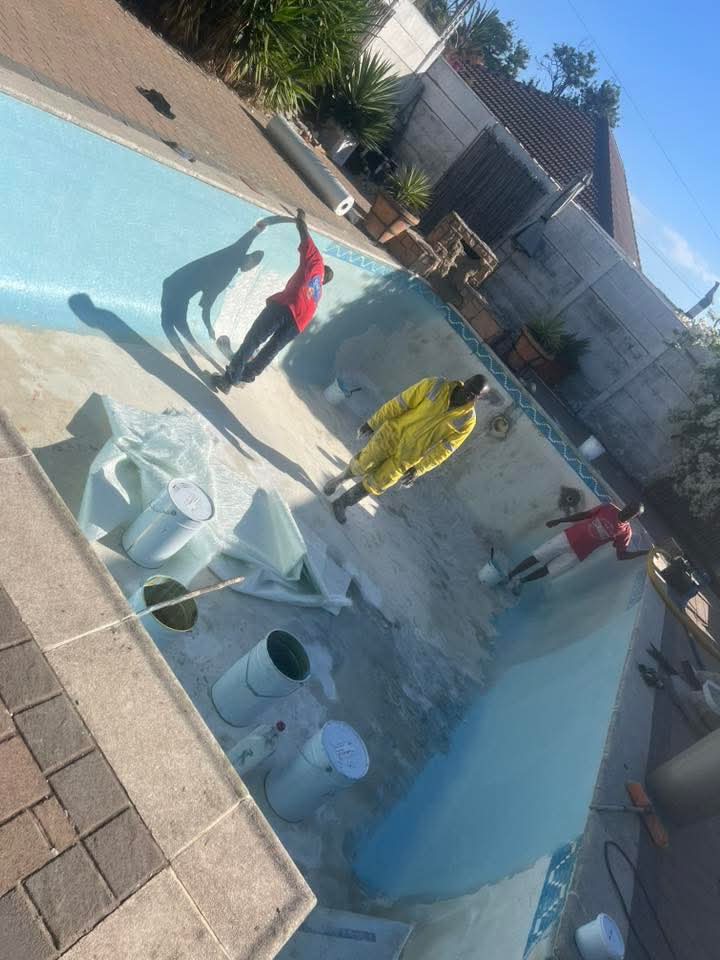
We removed all of the old, delaminated fibreglass, working it off the shell until we were back to bare gunite and concrete. It is heavy, slow work, but it is the only way to guarantee the new lining has something solid to bond to. Leaving even a partly-attached old layer in place would have doomed the new one to the same fate.
Drying, treating and prepping the surface
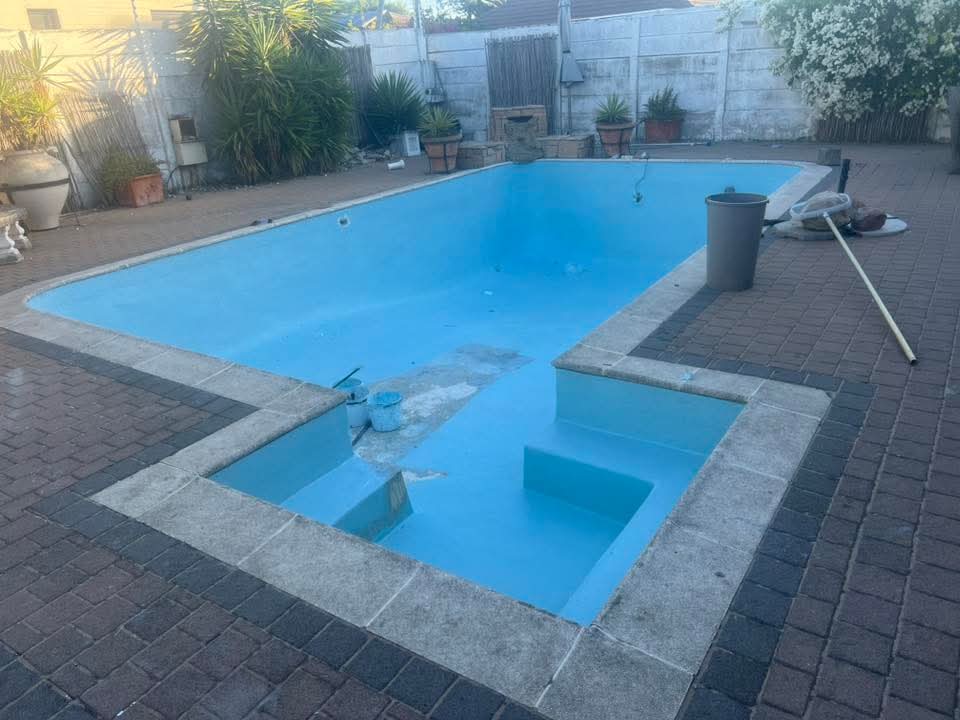
With the shell exposed, we let it dry out fully, then treated and prepped the surface so the new lining had a clean, keyed base to grip. This is the stage that the original installers clearly rushed, and it is the stage that decides whether a reline lasts five years or twenty. We never compromise on it.
Bonding the new lining and flowcoat finish
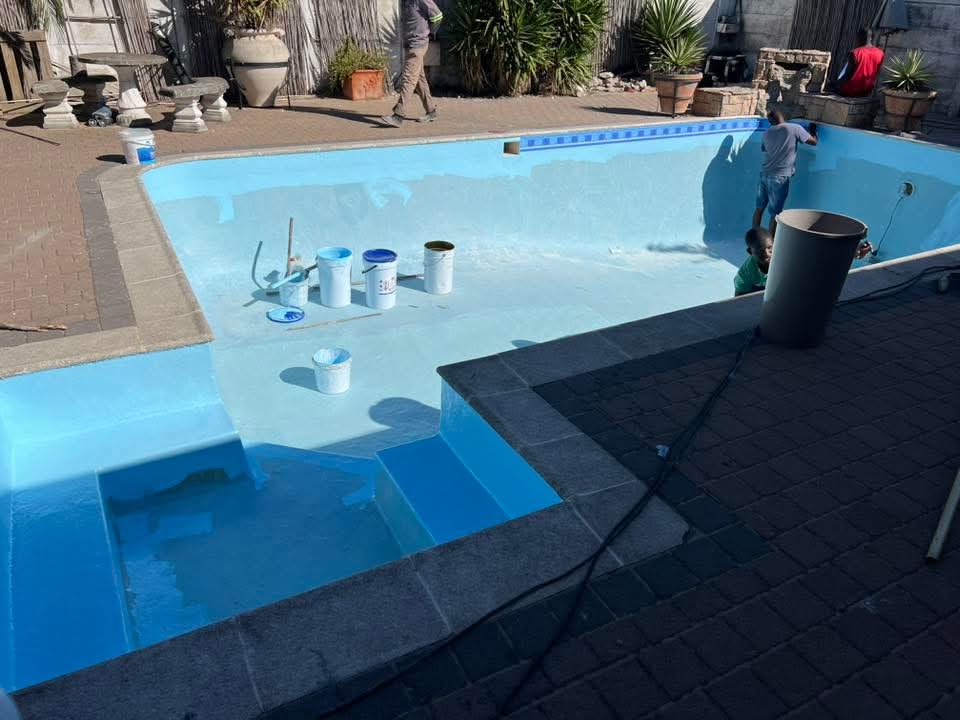
Only once the shell was right did we bond the new full fibreglass lining directly to it and finish with a fresh flowcoat. The result is smooth, waterproof and algae-resistant, and because the prep was done properly this time, the lining is genuinely keyed to the shell rather than just sitting on top of it.
Old Lining vs a Proper Reline
The contrast between the failed job and the new one comes down to preparation, not the fibreglass itself. The table below shows why the original lining failed early and what changed this time around.
| Factor | Failed old lining | Our proper reline |
|---|---|---|
| Surface prep | Rushed, damp, poorly keyed | Stripped, dried, treated and keyed |
| Bonding | Sitting on the shell | Bonded directly to the shell |
| Moisture & osmosis | Trapped water, blistering | Dry, sealed, stable surface |
| Expected lifespan | Failed inside 10-15 years | 15-20 years done right |
What “doing it right” actually changes
Done properly, a reline is not a gamble. The owner now has a pool that holds water, resists algae and will not blister, because the lining is bonded to a sound, dry shell instead of fighting trapped moisture from day one. That is the whole moral of this job: fibreglass is only as good as the prep, and cutting corners once means paying twice.
The Finished Pool in Monte Vista
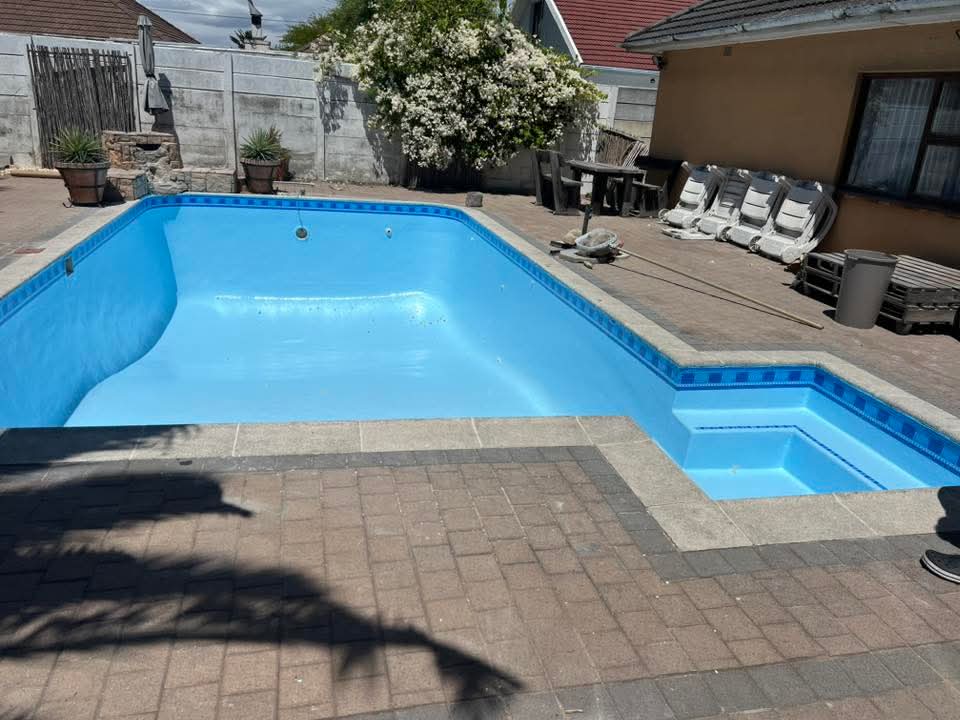
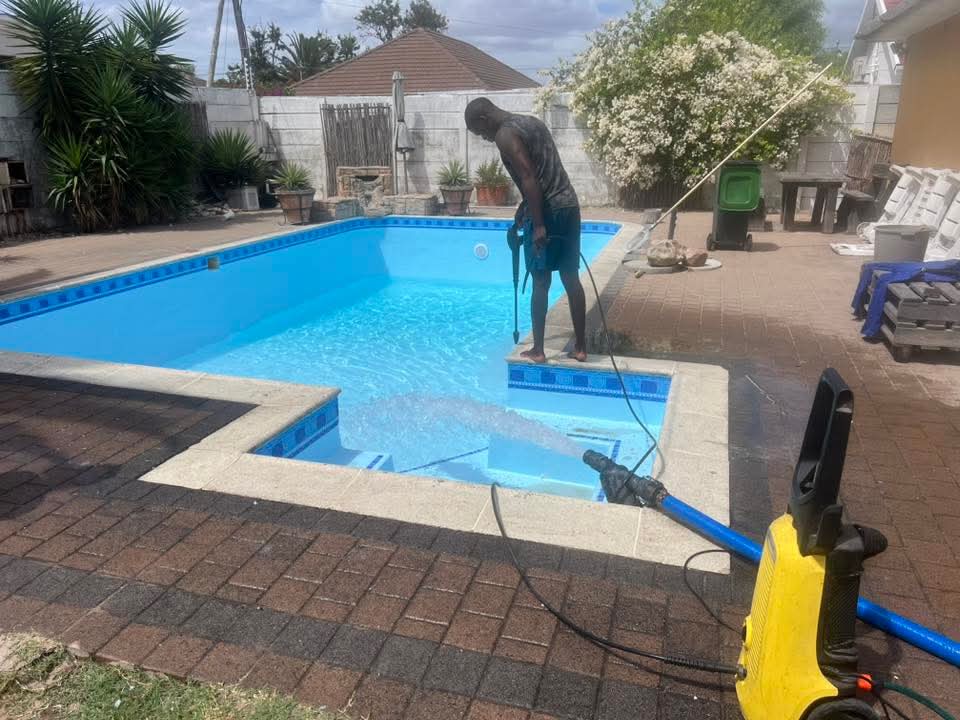
From a green, leaking pool to a clean, watertight one, the turnaround on this Monte Vista pool was complete. Filled and balanced, the new surface is smooth underfoot and easy to keep clear, and there is no longer any water disappearing behind the lining overnight.
Built to last another 15 to 20 years
Because the shell was taken back and prepped correctly, this lining should give another 15 to 20 years of service. Over that time it saves the owner the steady drain of water loss, extra chemicals and constant patch repairs that a failing pool quietly racks up — the same long-term maths we covered in our Cape Farms pool relining case study.
Get Your Old Fibreglass Pool Assessed
If your pool was fibreglassed years ago and is starting to blister, leak or lose water, the smart move is to have it assessed before the shell itself takes damage. Our pool relining Monte Vista service covers the wider Northern Suburbs, so whether you need pool work in Durbanville, a new pool in Brackenfell, or pool repairs nearby, we can help. See our full pool services, then send your pool’s size and a photo through our free quote page for a fixed price.
For a combined reline-plus-paving job, see our Kraaifontein pool and paving upgrade case study.
Frequently Asked Questions
Does fibreglass pool lining really wear out?
Yes. Even good fibreglass ages over 10 to 15 years as UV and chemicals break down the resin, and a poorly prepped lining can fail much sooner through delamination and blistering.
Can you put new fibreglass over old fibreglass?
No — not properly. New lining bonded over a failing old one will lift just as the old one did. We strip the failed fibreglass back to the shell first so the new lining bonds to something solid.
What causes the blisters on an old fibreglass pool?
Blisters are osmotic: water trapped behind the lining is drawn through the fibreglass and pools in pockets, lifting the surface. They are a clear sign the lining is no longer bonded and needs replacing.
Do you only reline pools in Monte Vista?
No. We cover Monte Vista, Plattekloof, Parow and the wider Cape Town area. Send your pool size and a photo and we will give you a fixed quote.