“Should I convert to salt?” is now a standard question on our assessments, usually asked while eyeing a neighbour’s suspiciously effortless-looking pool. The honest answer: a salt chlorinator is a genuinely better daily experience that costs more upfront and is kinder to some pools than others. Here is the salt chlorinator vs chlorine pool comparison without the sales gloss, including the parts about older Cape Town pools that brochures skip.
First, the misconception
A salt pool IS a chlorine pool. The chlorinator cell converts mild salt water into chlorine continuously by electrolysis — you swap buckets and floaters for a machine that makes the same sanitiser on site, at low, steady levels. That steadiness is the real magic: no Monday spikes, no Friday droughts, no chlorine smell (which was never chlorine, but chloramines from under-dosing).
Five-year cost sketch (typical family pool):
- Salt: chlorinator + install ± R12,000–R25,000, salt bags occasionally, a replacement cell within 3–7 years — then very low running spend
- Chlorine: ± R250–R500+/month in chemicals, forever, plus your time and the occasional green-pool recovery when dosing slips
- Break-even lands around years 3–5 for most pools — sooner the more your dosing used to slip
Where salt clearly wins
- Consistency: the machine doses every hour you circulate — the single biggest cause of green pools (human forgetfulness) is engineered away;
- Feel: silky water, no red eyes, gentler on skin and costumes — the reason converts never go back;
- Holiday homes: a pool that sanitises itself for a month unattended is transformative for absentee owners;
- Running cost: after payback, sanitation costs approach electricity-only.
Where traditional chlorine holds its ground
- Upfront cost: a bucket costs hundreds; a chlorinator costs thousands — on a tight budget, chemistry discipline is free;
- Simplicity: nothing to install, no cell to clean or replace, no electronics in the equation;
- Marginal equipment: salt is mildly corrosive over years — aged metal fittings, tired heater elements and cheap light housings age faster; a pool with old equipment should budget the conversion holistically;
- Very hard water areas: cells scale faster and want more cleaning — ask before you buy, not after.
The part that matters most: your pool’s surface
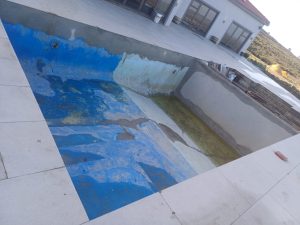
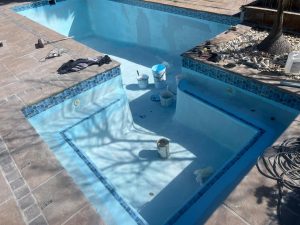
Here is the assessment-room truth: chlorinators reward healthy pools and expose tired ones. A porous, end-of-life marbelite surface drinks sanitiser, harbours algae roots and scales the cell — the shiny new machine gets blamed for a surface problem. The right order on an older pool is surface first, salt second: convert in the same season you reline or resurface and the new system starts on a clean slate (fibreglass linings, incidentally, pair beautifully with salt). Same logic applies to circulation — a chlorinator on a weak pump and filter underdoses no matter what its display claims. The free assessment tells you honestly whether your pool is salt-ready or needs groundwork first.
Frequently asked questions
Will a salt pool taste like the sea?
No — pool salinity is roughly a tenth of seawater, at or below the taste threshold. Most swimmers only notice the softness.
Do salt pools still need any chemicals?
Yes: pH control (salt pools drift upward), stabiliser at the right level, and occasional balancing. Less shopping, not zero shopping.
How long does a chlorinator cell last?
Three to seven years by quality, water balance and cleaning habits — treat the replacement cell as a known future cost in the maths.
Can any pool convert to salt?
Almost any — the chlorinator plumbs into the return line. The real question is whether the pool’s surface, equipment and balance are ready; that is the pre-conversion check worth doing.